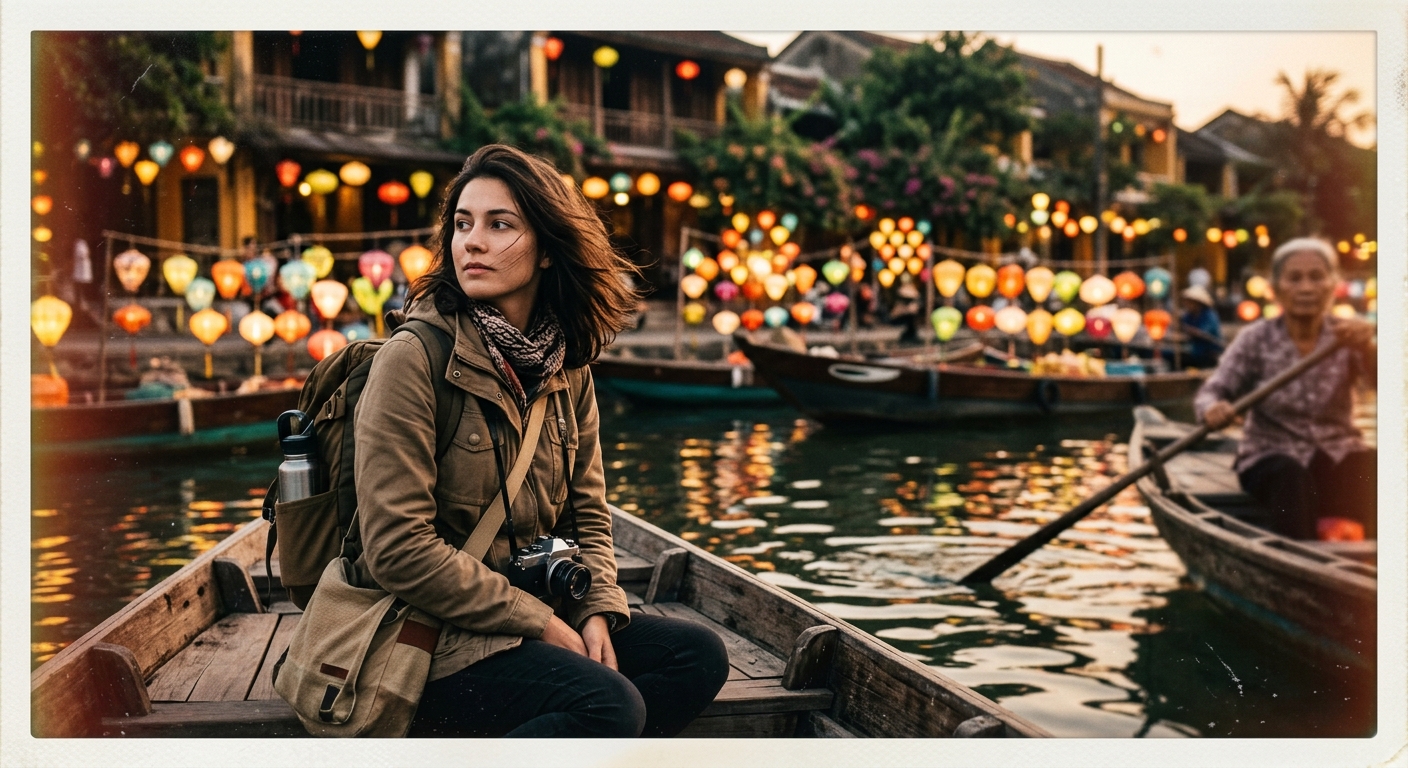
Vietnam Entry Requirements 2026: Beyond the Visa
Travelers planning to visit Vietnam in 2026 must stay updated on the latest Vietnam entry requirements to ensure a smooth journey. While much focus often falls on visa procedures, there is more to consider beyond the visa to meet the comprehensive travel requirements. This guide covers everything you need to know about entering Vietnam in 2026, from health protocols to customs regulations, making your trip hassle-free.
Understanding Vietnam Entry Requirements in 2026
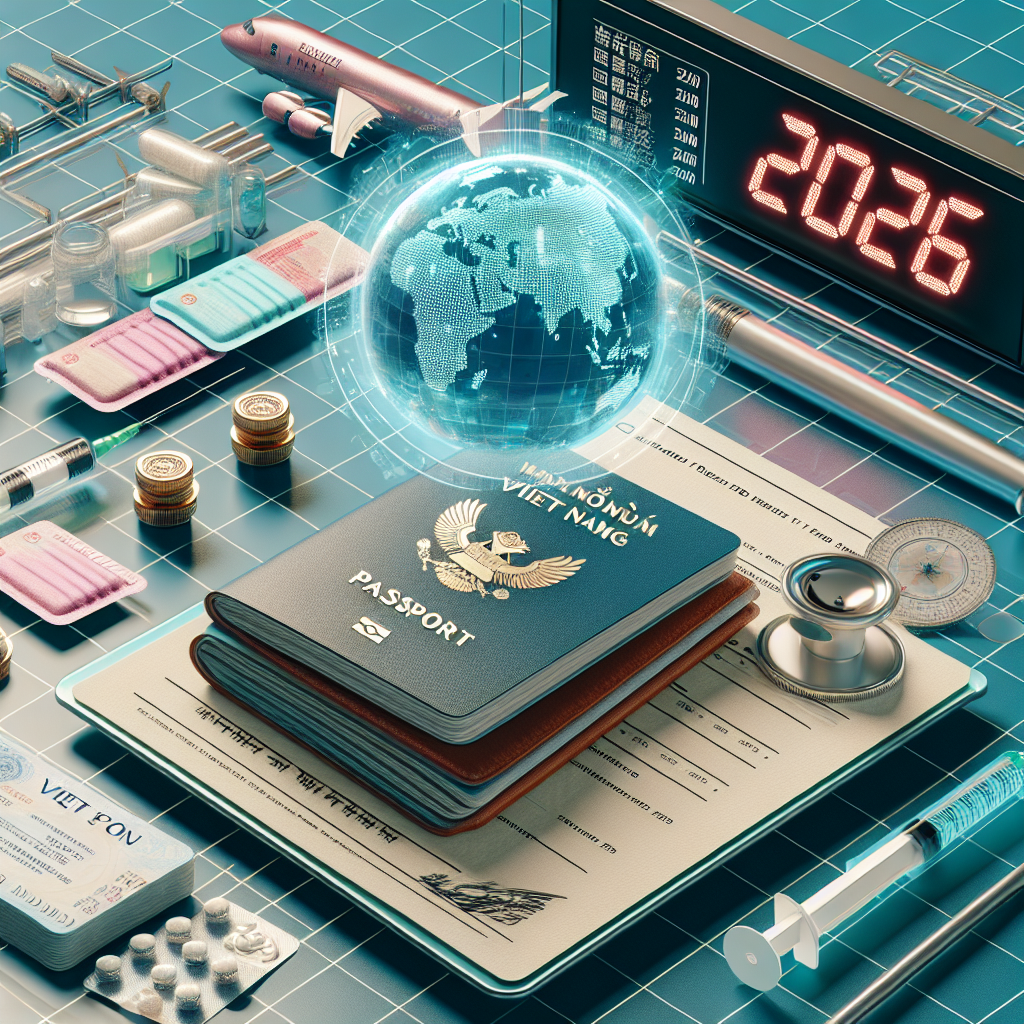
As Vietnam continues to welcome tourists and business travelers, the government has adjusted its travel requirements to adapt to global changes. Apart from obtaining the appropriate visa, visitors must comply with other entry provisions that ensure safety, security, and legal compliance.
Visa: The First Step of Vietnam Entry
Before discussing the additional Vietnam entry requirements, it’s important to note the visa basics:
- Tourist Visa: Available for short-term visits, typically 30 to 90 days.
- E-Visa: Vietnam offers e-visas for citizens of eligible countries, simplifying application.
- Visa Exemption: Certain nationalities can enter Vietnam visa-free for specific durations.
Obtaining the correct visa remains a critical first step, but once approved, travelers must prepare for other mandatory entry protocols.
Health and Safety Protocols
Vaccination and Health Declarations
Health has become a core aspect of international travel. In 2026, Vietnam may require:
- Health Declaration Forms: Travelers are often required to submit these online or upon arrival.
- COVID-19 Vaccination: Vaccination status might be requested or mandatory for entry.
- Proof of Negative PCR Test: Depending on the epidemiological situation, a negative COVID-19 test conducted within 48-72 hours before departure could be necessary.
Travelers should check the latest health guidelines close to their departure date, as health entry requirements in Vietnam can change rapidly.
Travel Insurance
Vietnam encourages visitors to obtain travel insurance that covers health emergencies, including COVID-19 treatment. While not always mandatory, carrying insurance documents can facilitate entry and medical assistance if needed.
Customs and Import Regulations
Beyond the visa and health protocols, understanding customs regulations forms an important part of travel requirements for Vietnam entry:
- Duty-Free Allowances: Travelers can bring personal items, gifts, and limited quantities of tobacco and alcohol without taxation.
- Prohibited Items: Drugs, firearms, explosives, and certain cultural artifacts are banned.
- Currency Restrictions: Large amounts of foreign currency should be declared; the Vietnamese dong can be freely exchanged.
Being aware of these customs rules helps avoid fines or confiscation of goods at the border.
Other Important Vietnam Entry Requirements
Entry Points and Documentation
Visitors must enter through official international airports, seaports, or border gates authorized by Vietnam. Key points include:
- Holding a valid passport with at least six months’ validity beyond the intended stay.
- Providing proof of onward or return travel.
- Sometimes presenting hotel bookings or invitation letters for business visits.
Quarantine Measures
While quarantine has generally relaxed worldwide, some travelers might still be subject to quarantine depending on health assessments or the situation in their departure country. Preparing for possible quarantine periods is advisable.
Tips for a Smooth Vietnam Entry Experience
To ensure compliance with all Vietnam entry requirements beyond the visa, consider the following tips:
- Verify Requirements Early: Check official Vietnamese government and embassy websites for up-to-date information.
- Prepare Documentation: Have your passport, visa, vaccination certificates, health declarations, travel insurance, and customs forms ready.
- Understand Local Laws: Familiarize yourself with Vietnam’s customs and legal requirements to avoid misunderstandings.
- Stay Informed on Health Protocols: Monitor announcements about COVID-19 or other health guidelines.
- Keep Copies: Carry both physical and digital copies of all essential travel documents.
Conclusion
While obtaining a visa remains fundamental, understanding the broader spectrum of Vietnam entry requirements in 2026 is crucial for every traveler. From health and safety protocols to customs regulations and documentation, going beyond the visa ensures you enter Vietnam smoothly and enjoy your stay without unexpected issues.
By staying informed and preparing accordingly, you can navigate Vietnam’s travel landscape effortlessly and make the most of your adventure in this vibrant and culturally rich country. Safe travels!
Leave a Reply