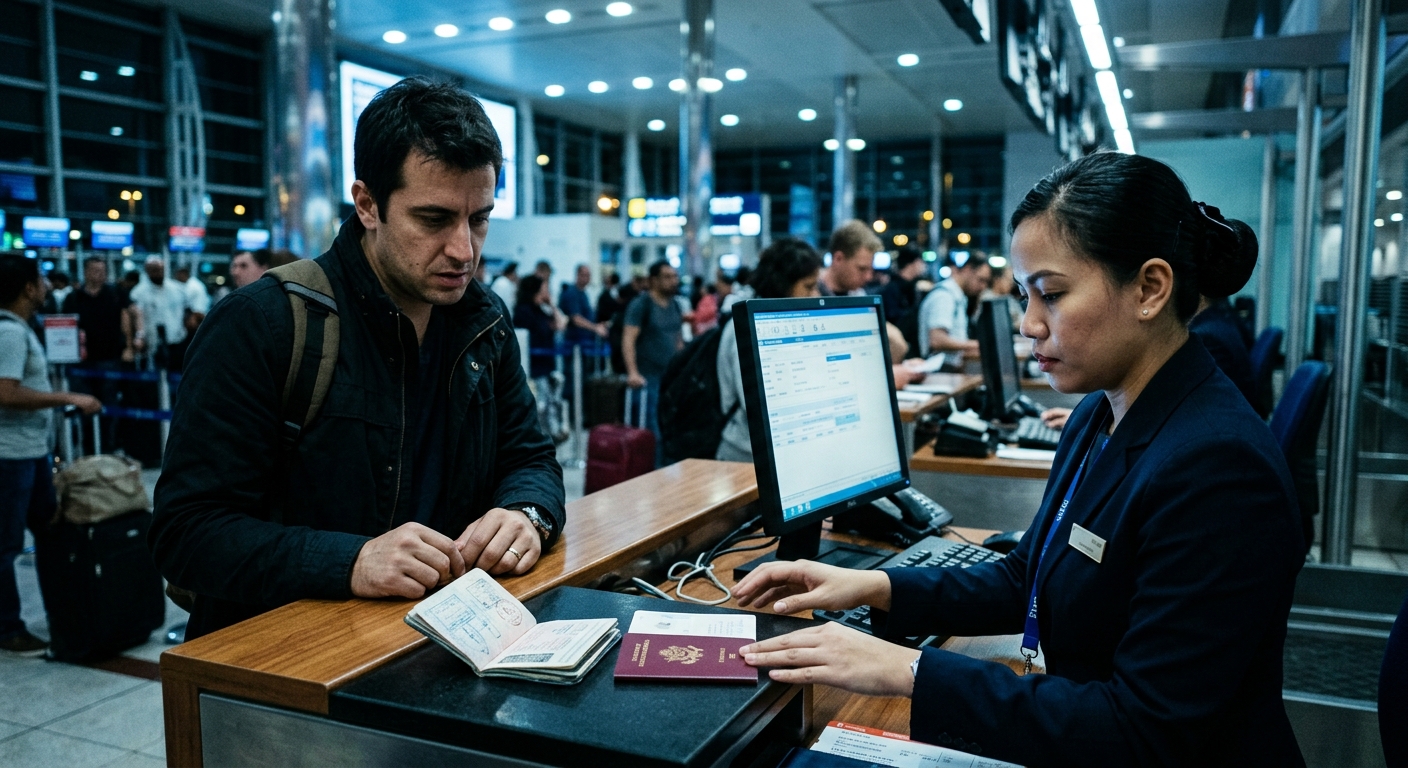
The scene at Dubai International Airport is rarely calm, but for a traveler standing at the Emirates check-in counter with a boarding pass to Ho Chi Minh City, the atmosphere shifted from bustling to frozen in a heartbeat. The agent scanned the passport, then the printed e-visa, and finally tapped the screen with a growing frown. The objection was blunt and non-negotiable: the passport number on the e-visa did not match the physical document being presented. Even though the traveler had simply renewed their passport since the initial application, that single-digit discrepancy acts as an immediate red flag in the Vietnamese immigration database. To the airline’s automated system, the passenger effectively possesses no travel authorization at all.
This is not a matter of bureaucratic leniency; it is a hard-stop data validation rule. Vietnamese immigration officials require the passport number on your entry permit to correspond exactly with the document you hand over at the border. If they don’t match, you are denied boarding at the origin because the airline knows that if they fly you to Vietnam, they will be fined for transporting an inadmissible passenger, and you will be immediately deported on the next flight out. The clock starts ticking the moment the agent tells you to step aside, leaving you with roughly 90 minutes before the gate closes and your luggage is offloaded.
When you are staring down a closed gate, the standard government processing times become irrelevant. You need an emergency vietnam visa solution that functions in real-time. In this high-pressure scenario, the benefit of working with an urgent provider is that your identity and background check have already been processed through the system for the initial, albeit incorrect, e-visa. An experienced agency knows exactly how to fast-track the correction because the heavy lifting of verification is complete. The goal is to submit a fresh application that overrides or replaces the previous one, ensuring the correct passport number is associated with your entry permit before the final call for boarding.
The Mechanics of an Emergency Correction
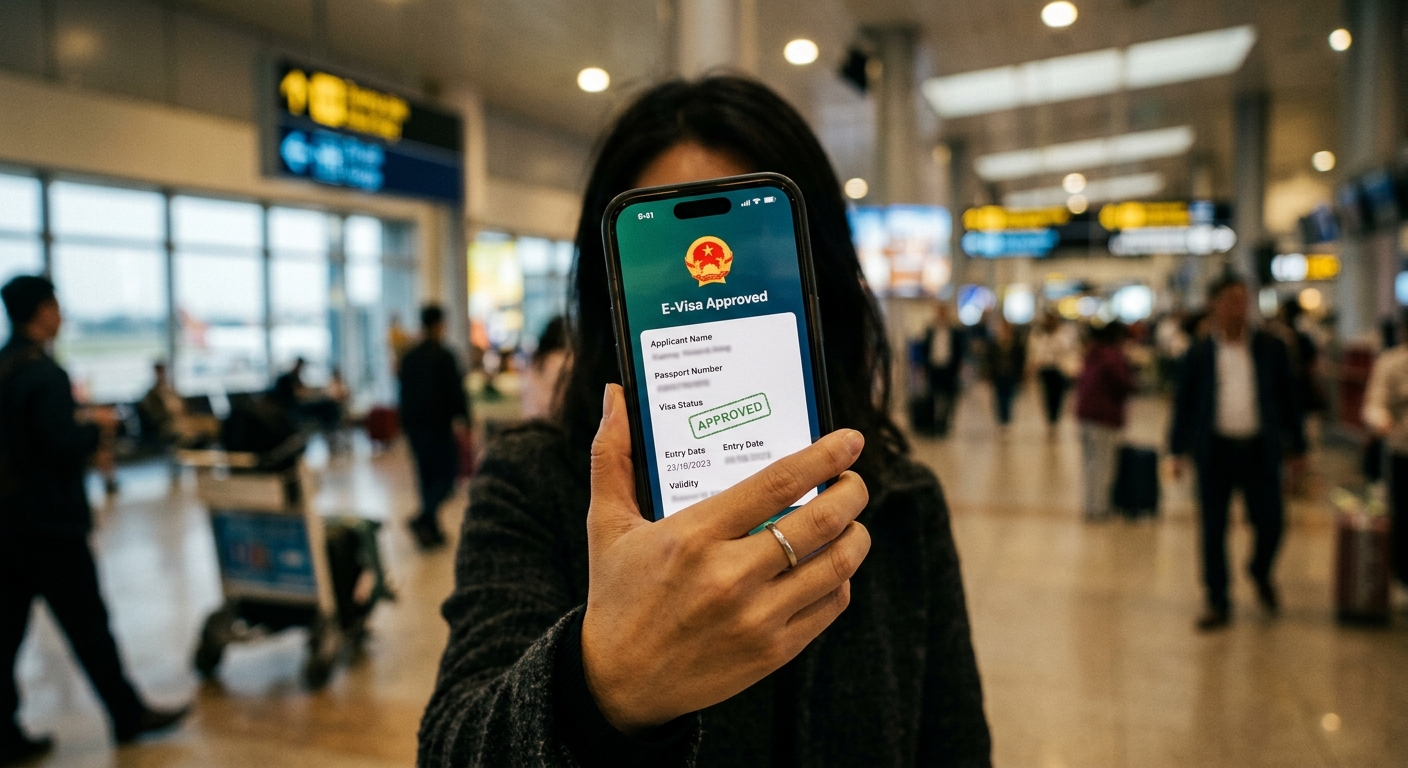
The speed at which an urgent e-visa vietnam can be turned around often surprises travelers who assume the government portal is the only route. While the official website operates on a standard three-to-five-day schedule, specialized services maintain direct, priority channels with the immigration department to address exactly these kinds of discrepancies. To facilitate this, you must provide a clean, high-resolution scan of your new passport. The provider then creates a “linked” application, acknowledging the previous error while expediting the new entry permit. Because your biometrics and profile are already known to the authorities, this is significantly faster than a first-time application.
Once the document arrives in your inbox—often as a PDF file while you are still standing near the gate—the process of re-entering the queue requires confidence. You cannot simply hand over the same documents. You must present the new approval letter, clearly printed, to the airline agent. It is often helpful to acknowledge the previous error, show the new, correct document, and explain that the issue has been rectified through the proper immigration channels. Most airline staff are familiar with these last-minute corrections; they simply need to see the corrected data point in their own system to justify clearing you for travel.
Understanding the difference between this type of emergency service and the standard protocols is vital, especially when you consider that realistic turnaround windows from one hour to one day are physically possible under the right circumstances. However, these services rely on the traveler being responsive. If you are stuck at the airport, you must be reachable via email or WhatsApp and prepared to complete the documentation immediately. Any delay on your part during the re-application process effectively kills the window of opportunity provided by the airline’s ground staff.
It is worth noting that while these rapid corrections are a lifesaver, they do not replace the necessity of triple-checking your passport details before your initial trip. Most people who run into this problem are well-intentioned travelers who simply overlooked a passport renewal date. In the heat of the moment, it feels like a catastrophic failure, but it is a solvable problem if you act with precision. For those who want to understand the broader landscape of rapid processing, it is helpful to look at the realistic hours from application to approved PDF, which helps set expectations when you are in a time-critical situation. By the time the boarding gate screen changes to “Final Call,” having that new, corrected document in hand transforms the situation from a denied flight into a standard boarding procedure, allowing the trip to proceed as originally planned.