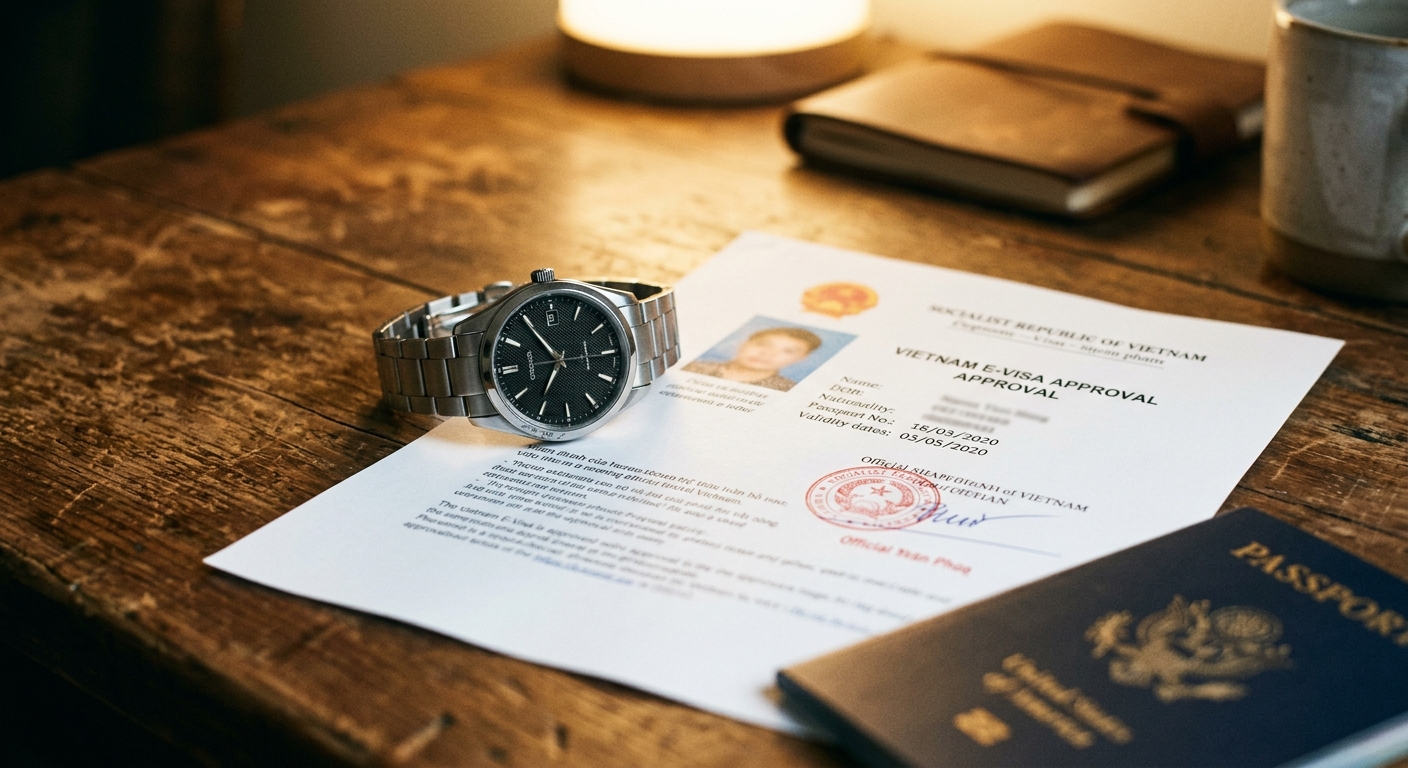
Standing at the departure gate with an expired or forgotten visa isn’t just a stressful oversight; it is a logistical puzzle that relies entirely on your ability to secure an urgent Vietnam visa before the boarding doors close. In 2026, the Vietnam Immigration Department operates with a digital infrastructure that allows for rapid turnaround, but the term “urgent” has become a spectrum of service tiers rather than a single guarantee. Understanding what happens behind the scenes during these windows is the difference between making your flight and being denied boarding entirely.
Ask online, we answer right awayType your question on this page. No app to install, no number to save.Ask onlineFor every speed tier and what it really costs, see the complete fast-track guide.
The most extreme option is the one-hour premium tier. This is a rare service, typically only available during official Vietnamese business hours, where an agency bypasses the standard queue by paying premium expedite fees directly to immigration officials who are actively monitoring the portal. When you pay for this, you aren’t just paying for paperwork; you are paying for an agent to physically monitor a digital window and prompt a specific officer to prioritize your entry. Because this requires active human intervention during a specific time of day, it is prohibitively expensive and strictly limited by the capacity of the officers on duty. If you try to request this on a Saturday night or during a public holiday, no amount of money will make it happen because the human element is simply not at their desk.
Decoding the Reality of Visa Processing Speed
Moving down to the four-hour standard urgent tier, the process becomes more automated but still relies on high-level administrative access. At this stage, your application is pushed to the front of the digital pile, bypassing the routine electronic screening that catches standard three-to-five-day applications. The Immigration Department’s system generates an approval letter—a PDF that effectively acts as your authorization to board—and the agency’s system immediately triggers an automated dispatch to your email. This tier is the sweet spot for travelers who realize their mistake while already at the airport, as four hours provides just enough buffer for the system to process the document and for the airline to update their check-in records.
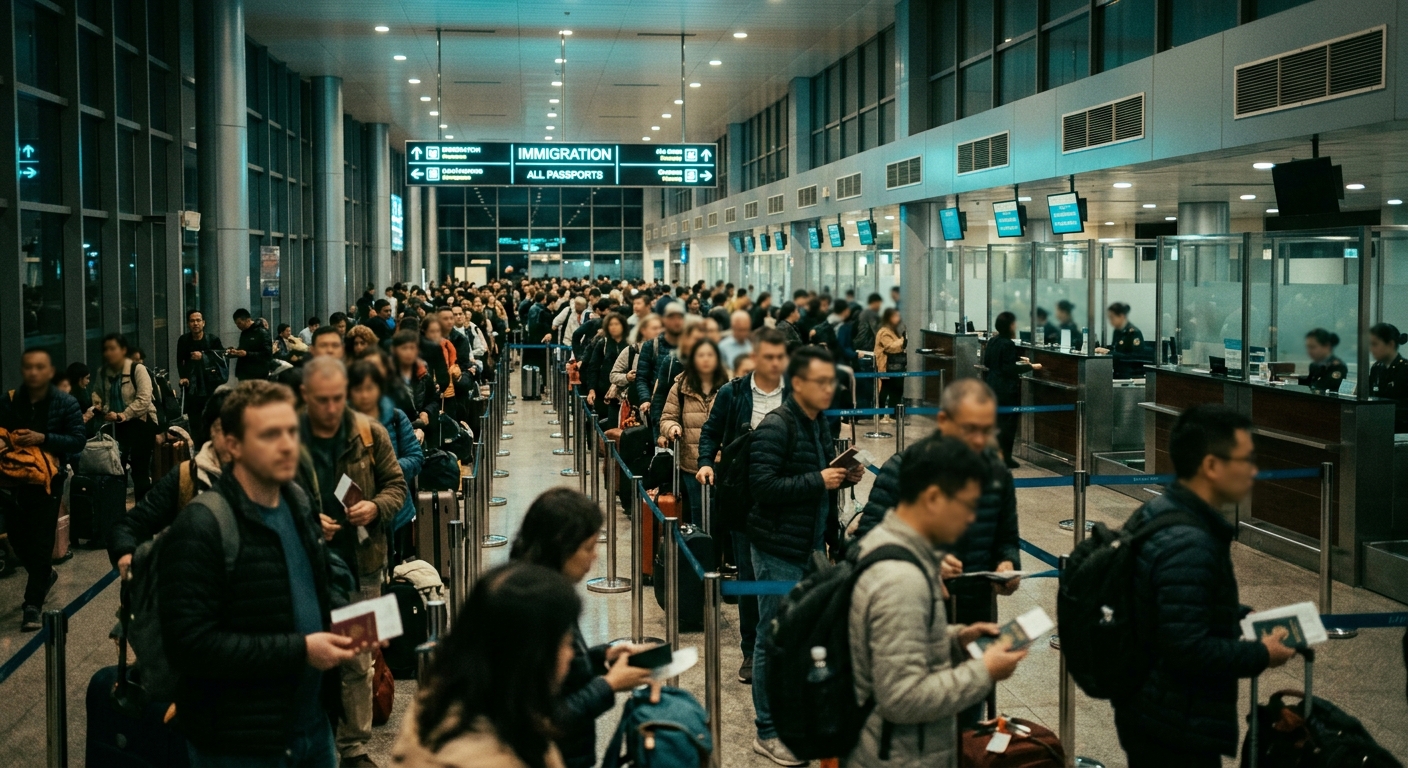
The most common tier, the 24-hour urgent service, is where most travelers find the best balance between cost and necessity. This window allows for a complete review process without the “emergency” premium attached to the faster tiers. In this timeframe, your data undergoes a standard security check, which involves verifying your passport details against international watchlists and confirming your entry port. When agencies promise a 24-hour vietnam visa fast turnaround, they are essentially ensuring that your application is submitted in the first batch of the following workday. This is reliable, predictable, and sufficient for anyone who has at least one full day before their scheduled departure.
Then there is the 48-hour service, often marketed under the urgent umbrella but functionally indistinguishable from standard processing. Many providers label this as an urgent option to capture customers who are experiencing mild panic but aren’t yet in a genuine time-sensitive emergency. If you are two days out from your flight, you rarely need to pay a premium fee for a process that the immigration system often completes in 48 hours anyway. Paying extra here is often a result of anxiety rather than a technical necessity, as the difference between a 48-hour service and a standard application is frequently negligible in practice.
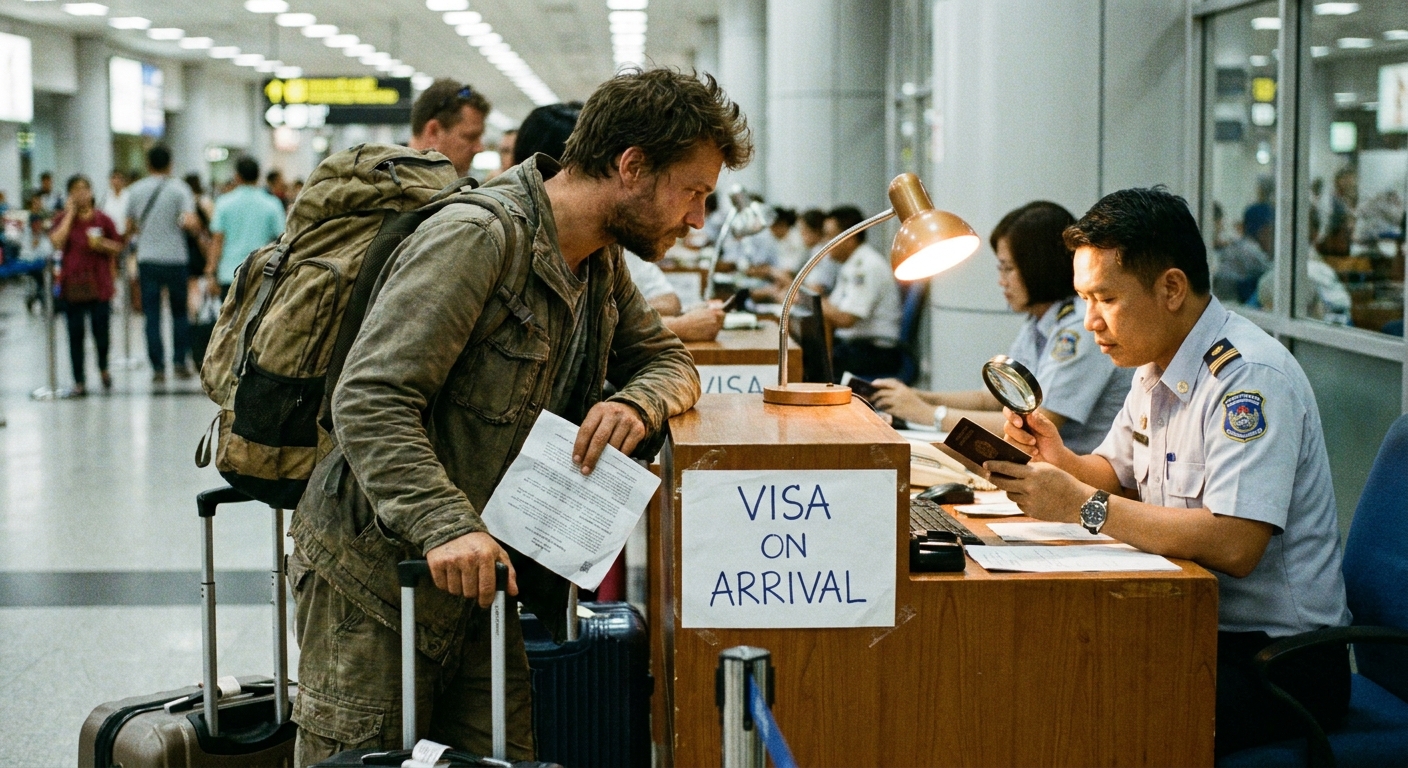
When choosing your tier, it is important to look at the factors that cause delays regardless of the service level:
- Incorrect passport scans that prevent the system from reading your data automatically.
- Discrepancies between your entry date and the dates requested on the application.
- Submission during Vietnamese public holidays when the Immigration Department operates on a skeleton crew.
- Errors in passport number formatting that trigger a manual verification flag.
The vietnam visa processing time is ultimately dictated by the capacity of the Immigration Department, not the agency. While an agent can force your file to the top of the desk, they cannot control the speed at which an officer validates your identity. The one-hour tier is a luxury that requires perfect timing, and the four-hour tier is the pragmatic choice for those already en route to the airport. Before selecting the most expensive option, consider whether your flight actually departs within the hour or if you are simply paying for the illusion of control. Most travelers who believe they are in a desperate situation actually have enough time to utilize the 24-hour service, saving significant costs without sacrificing the validity of their entry documents. Regardless of the speed, the final result is the same: an official PDF that grants you access to the country. Whether you receive it in sixty minutes or two days, the critical factor is verifying the accuracy of the information on the letter before you reach the check-in counter.