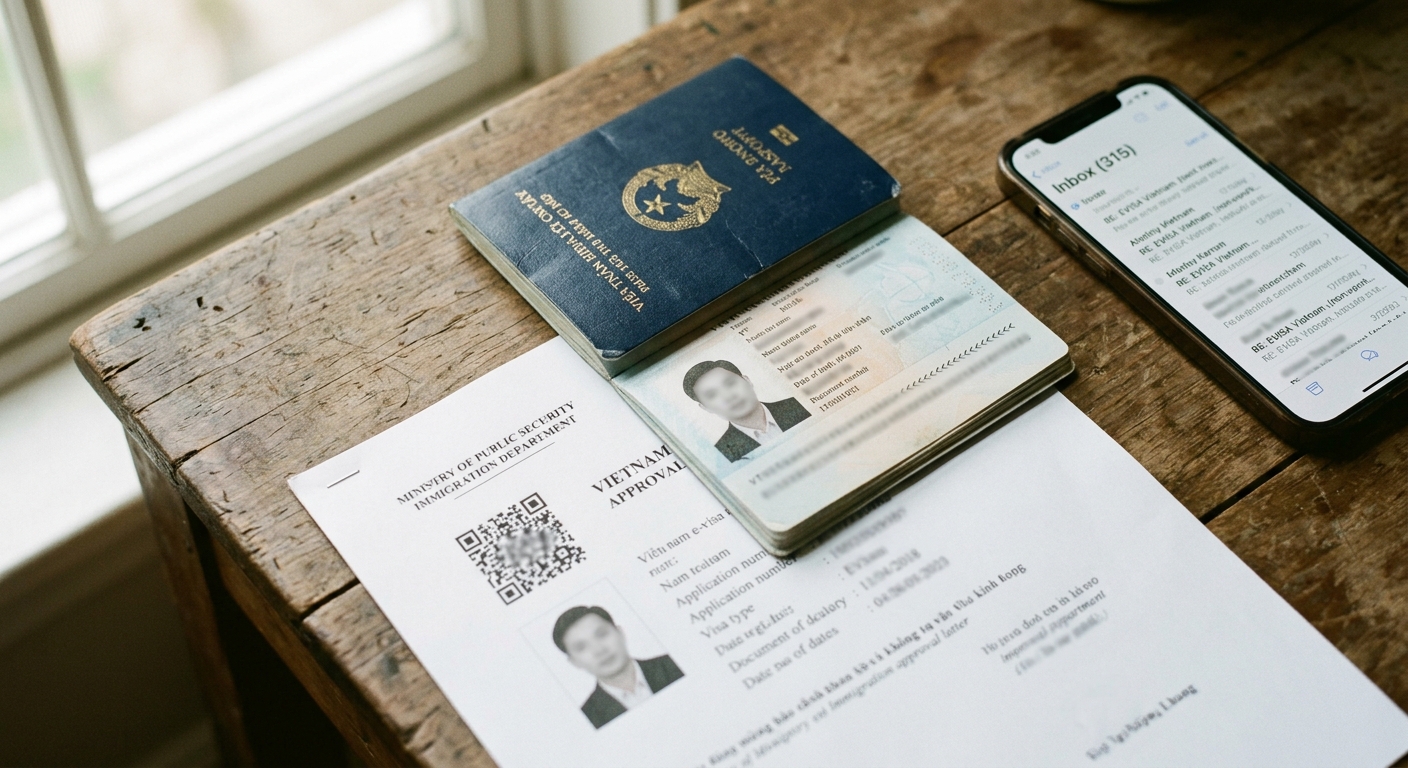
The standard processing times advertised by official government portals often ignore the reality of a last-minute flight change or a missed application deadline. In 2026, the distinction between an urgent vietnam evisa and the legacy Visa-on-Arrival (VOA) system is more pronounced than ever. While the official Evisa portal remains the primary gateway for entry, the “urgent” designation refers to private processing channels that bypass standard queues, converting a potential travel disaster into a manageable administrative hurdle.
Historically, the Visa-on-Arrival process was the go-to solution for travelers scrambling to enter Vietnam. It required a third-party agent to secure a pre-approval letter, which the traveler then carried to a physical stamping window at the airport. You arrived, found the window, handed over your documents, and paid a secondary “stamping fee” in crisp, clean USD. It was transactional, prone to long queues, and tethered to the physical presence of immigration officers who had final discretion over your entry. That system has largely been relegated to a niche requirement for specific border crossings or unique diplomatic circumstances.
The Evolution of Digital Entry for Last-Minute Travelers
The 2023 government policy shift unified the digital entry process, favoring the Evisa as the standard, and this has changed the logic of how we approach an urgent Vietnam e-visa application. Today, the process is entirely front-loaded. You upload your passport bio-page scan and a compliant photo, pay the government fee alongside an expedited processing premium, and wait for a PDF approval letter to arrive in your email inbox. Once that document is in your hand, you simply scan it at the immigration kiosk or hand it to the officer; there is no additional “stamping fee” to pay at the airport, and no secondary line to join once you clear customs.
When you are staring at a clock counting down 24 hours to your flight, the logic of this shift becomes clear. The old VOA system was only as fast as the agent’s internal connections with the immigration department. If the office was closed or the agent lacked sufficient leverage, you were stuck at the gate. With the modern digital framework, the processing is a direct data feed into the government’s immigration portal. By paying for priority service, your application is pushed to the top of the digital queue. If you are 6 or 12 hours from boarding, the Evisa route is objectively superior because it verifies your entry permission before you leave your home country, eliminating the gamble of arriving at the airport without a pre-approval letter.
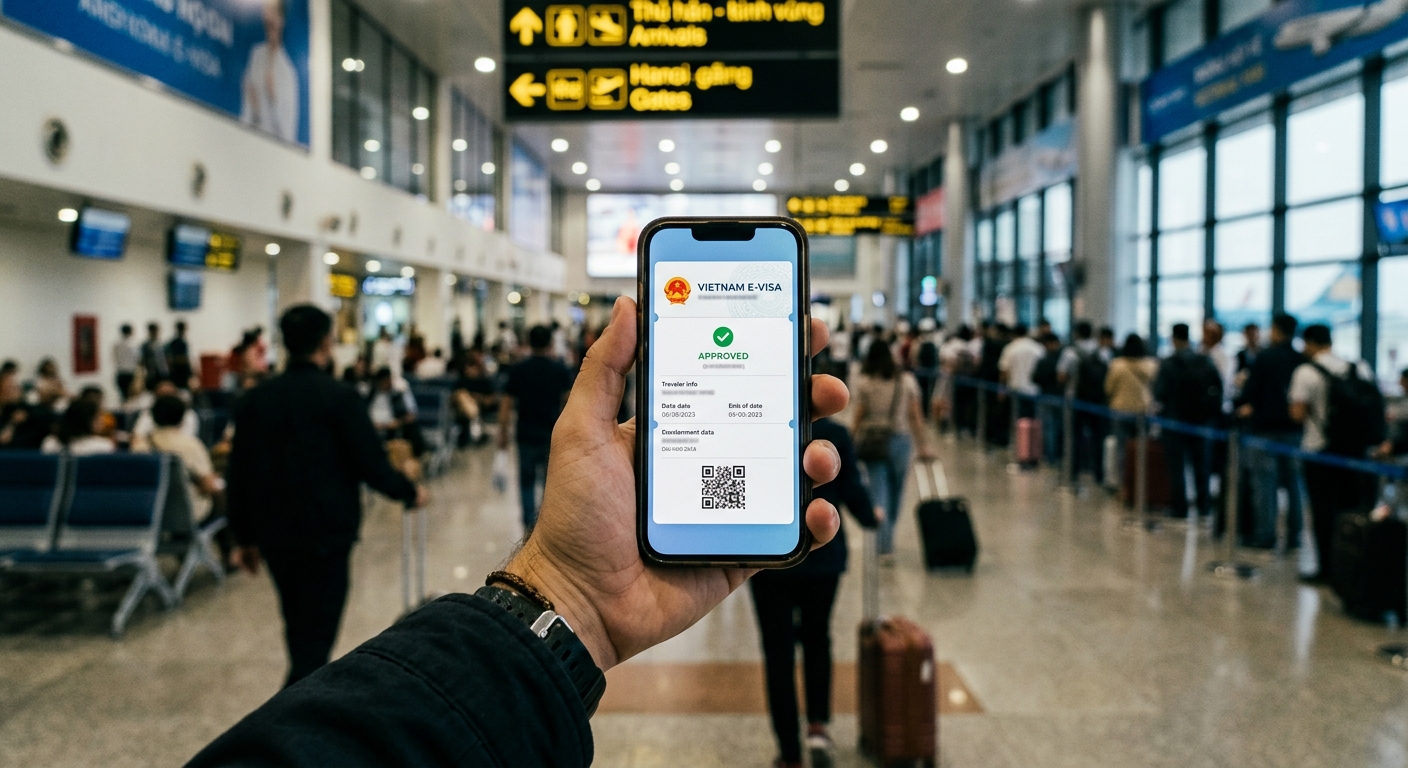
Despite this, the VOA route persists in a small handful of scenarios where the Evisa fails to accommodate specific entry points or unusual visa classes. For instance, if you are arriving via certain land borders that have not yet integrated with the digital portal, or if your passport status falls into a category requiring a physical invitation letter from a Vietnam-based company, the VOA remains the only technical path forward. In these cases, the “urgent” aspect involves specialized couriers or agents who facilitate the physical paperwork, but this is increasingly rare for the average tourist or business traveler.
When choosing between these methods, consider these factors to gauge which will actually get you on your flight:
- The Evisa is processed entirely online, removing the need for cash currency or physical stamping windows at the airport.
- Priority digital processing can turn around approvals in as little as a few hours, provided the information is submitted without errors.
- VOA requires a physical document in hand, which carries the risk of mailing delays or courier errors during the final 24-hour window.
- Most international airports in Vietnam have moved toward automated gate entry, which strictly requires a pre-validated Evisa for the fastest transit.
Speed is rarely about the system itself and more about the quality of the data entry during the application process. A single pixelated photo or a discrepancy in your passport number can trigger a manual review, which effectively kills any hope of same-day processing. When using an expedited service, the primary value lies in the verification of your documents before they are submitted to the authorities. By catching a typo or an incorrect photo format while there is still time to edit, you avoid the automatic rejection that often happens with standard government portals.
As we move further into 2026, the move toward a fully digitized border is nearly complete. The infrastructure for the legacy VOA is being phased out in favor of the more stable, predictable Evisa stream. If you find yourself in a situation where the standard three-day wait is impossible, prioritize the electronic route. It keeps your documentation verifiable on your device, allows for rapid correction of errors, and aligns with the current operational standard of Vietnam’s major transit hubs.
Knowing exactly which portal to use and how to format your submission determines whether you spend your time boarding a plane or standing in a long line at a transit desk. The shift has made the process more formal and less dependent on the chaotic, manual nature of airport windows. When the countdown begins, securing your digital approval before reaching the terminal is the only way to ensure you clear customs without intervention.