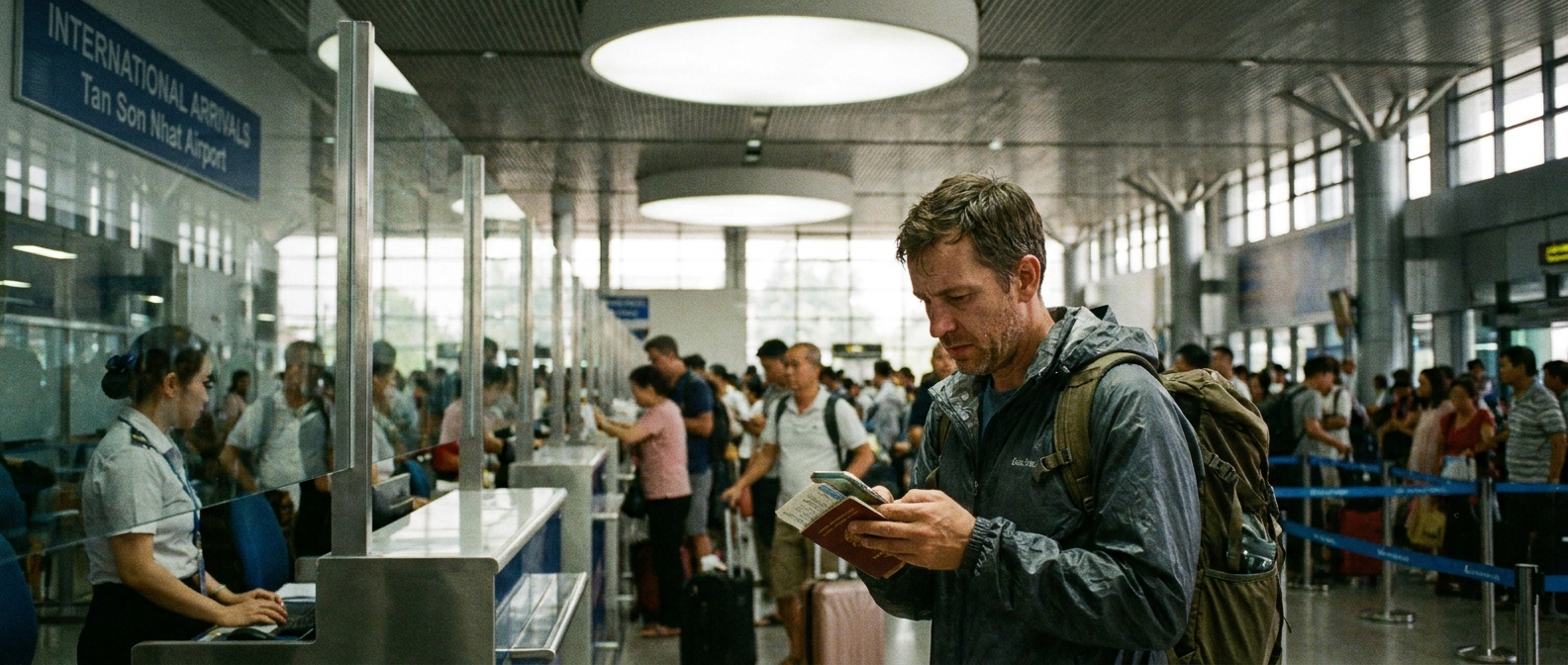
You are standing at the check-in desk, your flight to Hanoi is in three hours, and the agent has just told you that your visa is currently “under processing” rather than “granted.” It is a sinking feeling. When you are rushing to secure an urgent vietnam evisa, the difference between approval and a rejection notice is often measured in millimeters of photo cropping or the precision of a keystroke. Most applicants assume the system is a black box, but in reality, immigration officers are scanning for specific technical mismatches that trigger an automatic secondary review, pushing your application back to the bottom of the pile and costing you precious hours you simply do not have.
The first and most common error involves the passport scan. It is not enough to simply take a photo of the identity page. If the image is tilted even by a few degrees, or if the lighting casts a heavy shadow over the Machine Readable Zone (MRZ)—those two lines of characters at the bottom—the optical character recognition software will likely flag it for human verification. A human officer has to manually input your data, and when they are processing thousands of requests, a scan that requires squinting is an easy one to put aside. When we handle these, we adjust the contrast and ensure the file is cropped tight to the edge of the passport page, leaving no white space. This clarity allows the system to auto-populate your details, often shaving four hours off the wait time.
Next is the photo itself. You might have a perfectly professional headshot, but if the background is even slightly off-white or carries a greyish tint, the algorithm flags it. Many applicants attempt to use a selfie taken against a plain wall, failing to realize that the flash creates a halo effect or shadows on the wall behind them. The system is calibrated for high-contrast, flat lighting. A legitimate urgent service will strip the background to a pure white digital hex code, ensuring the facial recognition software verifies the image instantly rather than dumping it into a queue for manual checking. It is a small edit, but it prevents that twelve-hour delay that happens when an officer has to manually decide if your photo meets the technical standard.
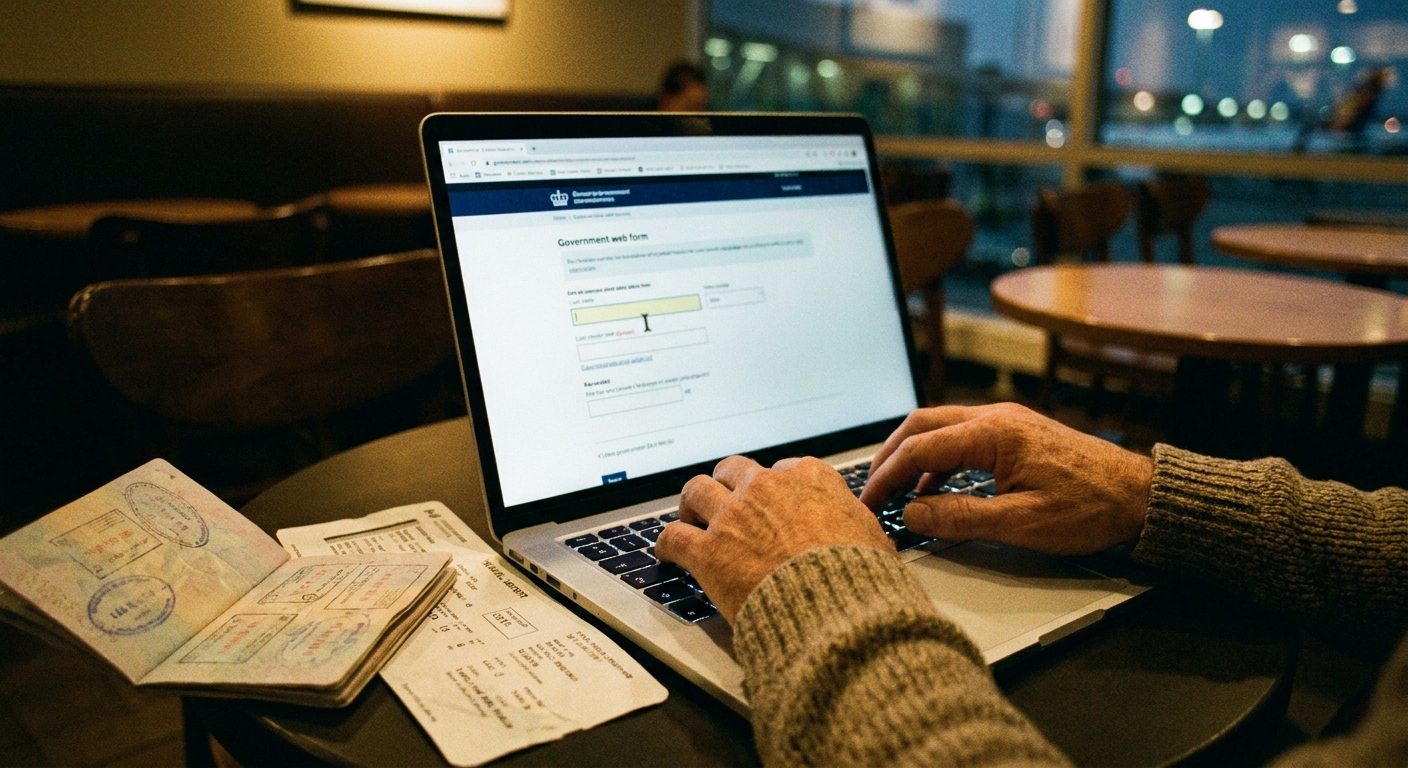
The Technical Errors That Sink Urgent Applications
Then there is the issue of data entry precision. It sounds obvious, but the name on your application must match your passport exactly. If your passport displays your middle name, but you omitted it on the e-visa form, the discrepancy will trigger a rejection notice. The same applies to hyphenated names or suffixes like “Jr.” or “III.” Immigration officers do not guess; they compare the digital record against the passport data. When we walk applicants through this, we insist on copying the name exactly as it appears in the MRZ at the bottom of the passport. If the system sees a discrepancy, it stalls. If the data is identical, the approval is often pushed through the server in a fraction of the time.
Choosing the wrong visa type is a common mistake that is surprisingly difficult to fix once submitted. If you select a single-entry visa but your itinerary involves a side trip to Cambodia or Laos, your second entry into Vietnam will be blocked at the border. Many people assume they can simply “upgrade” it later, but the system does not work that way. An incorrect entry type often results in a full rejection of the application, forcing you to start the entire process over from scratch, which is fatal when you are working on a 24-hour turnaround. It is better to over-prepare with a multi-entry permit if there is even a slim chance you will cross a land border.
Payment failure is the final hurdle that keeps travelers in limbo. Many international banks will trigger a 3D-Secure challenge or a fraud alert the moment the Vietnamese payment gateway initiates. If the payment hangs, the application remains in an “incomplete” status. Because the system does not always send an automated email notifying you of a failed payment, you might sit for ten hours assuming the timer is running when, in fact, nothing has happened. We monitor the gateway logs; if a payment stalls, we immediately trigger a secondary transaction attempt, ensuring the fee is cleared within the first few minutes of submission. These are the nuances that differentiate a successful urgent vietnam evisa application from one that sits indefinitely in the portal.
When you account for these vietnam evisa application mistakes, you remove the guesswork that causes delays. The system is not designed to be difficult; it is designed to be efficient for those who comply with its rigid technical requirements. By providing high-resolution, perfectly cropped documents and ensuring the payment is finalized on the first attempt, you avoid the most common vietnam evisa rejection reasons that force manual intervention. Even if you find yourself in a tight spot, addressing these five technical pillars can be the difference between making your flight and being forced to rebook your travel entirely.