
You are sitting at the departure gate, your flight leaves in six hours, and your inbox is devoid of that essential PDF attachment. You paid for the fastest service available, but the silence from the immigration portal feels deafening. When you are operating on a razor-thin timeline, the Vietnam evisa status tracking system can feel more like a black hole than a transparent government interface. Understanding exactly what is happening behind the curtain is the only way to distinguish between a system that is working as intended and a situation that has genuinely stalled.
The lifecycle of your application begins the moment your data is ingested by the immigration server. The first status you will typically see is a submission acknowledgement. At this stage, the system has effectively verified that your file is formatted correctly and that your payment has cleared. If you chose an urgent Vietnam evisa service, this phase is essentially automated. It should move from “Received” to “In Progress” within minutes. If your status remains stuck on “Pending Payment” for more than an hour after you have provided your credit card details, you should immediately verify your transaction history, as this is the primary point of failure for automated queues.
Decoding the Workflow of Immigration Review
Once the status shifts to “Processing” or “Under Review,” the application has entered the hands of an immigration officer. This is where the difference between standard and urgent processing becomes tangible. In a standard three-to-five-day scenario, this stage can linger for days while your file sits in a general queue. Under an urgent tier, your application is prioritized, typically moving into the actual review stage within two to four hours. During this time, an officer is cross-referencing your passport data with immigration databases. Do not confuse this with a delay; it is the most critical part of the process. A status of “Processing” at the six-hour mark is perfectly normal, even for an expedited request, as the physical act of verification requires human oversight that cannot be bypassed by software alone.
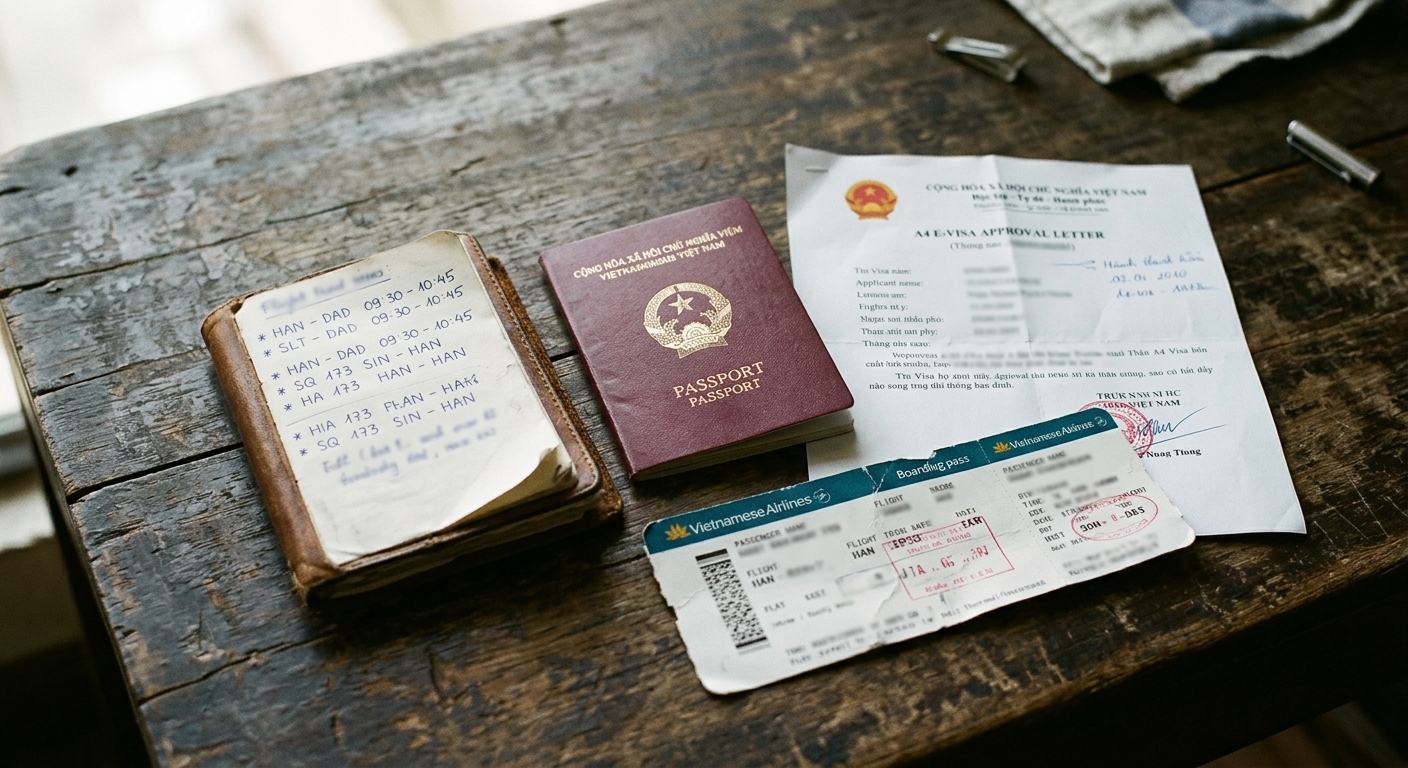
There are only a few specific status indicators that should trigger alarm bells or require a follow-up. If the status updates to “Information Required” or “Request for Correction,” you must act instantly. This happens if your photo is blurry, your passport scan is cropped too tightly, or there is a discrepancy between your entry port and the details provided in your application. In these rare instances, the clock stops until you provide the corrected documentation. If you see this, do not wait for an automated email; refresh your portal and upload the corrected files immediately. Conversely, if your status has been “Processing” for more than 24 hours while you paid for a same-day service, that is the moment to reach out to your provider to identify if there is a technical snag or a data entry error holding up the system.
When the review is complete, the portal will move to “Granted” or “Approved.” This is often the final hurdle before the actual document is generated. The transition from “Approved” to the final PDF dispatch can take anywhere from fifteen minutes to two hours. During this period, the system is generating the official entry letter, embedding the unique barcode, and stamping the digital signature. It is important to note that the status indicator might update to “Granted” before the actual email arrives in your inbox. At this point, you should be checking your portal specifically for the “Download” button rather than just refreshing your personal email, as the system portal itself is always the primary source of truth.
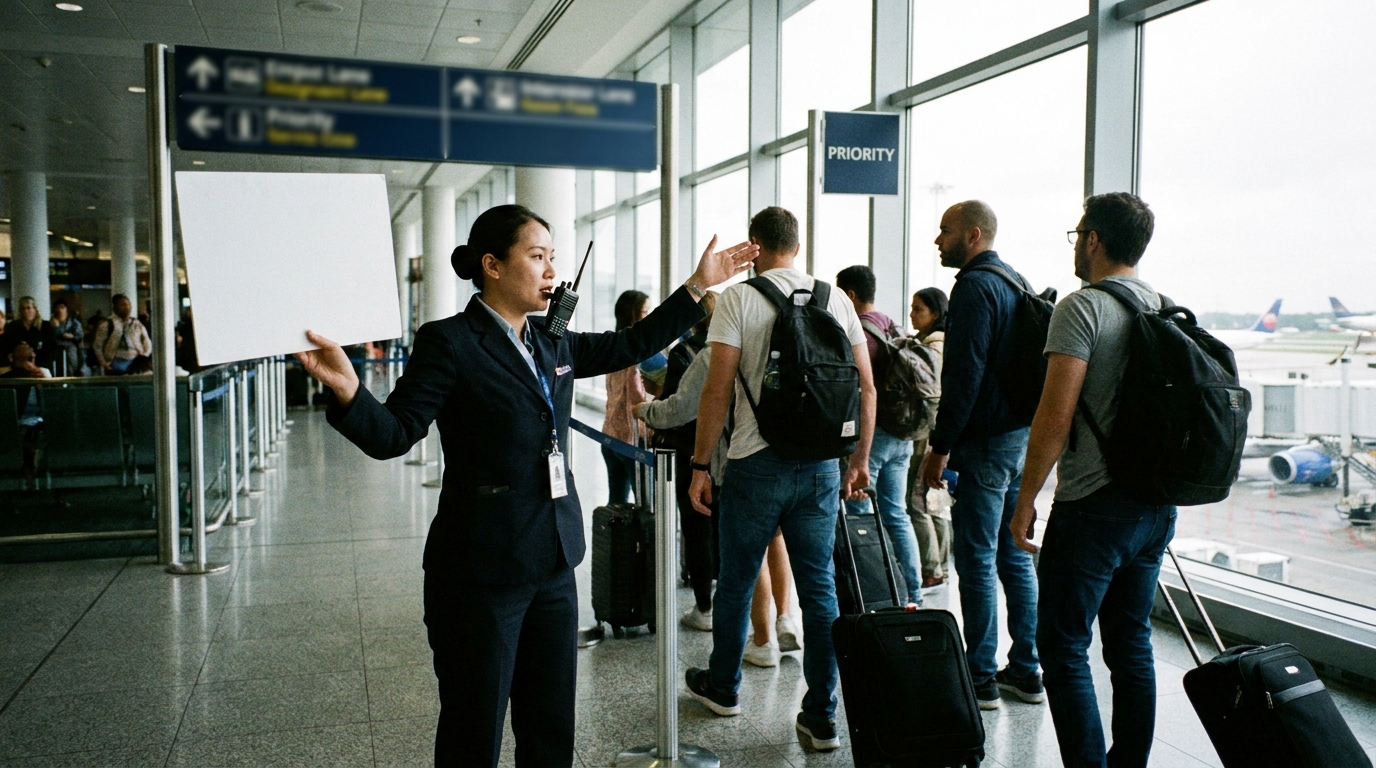
The vast majority of anxious travelers find themselves in the middle of a waiting game that is moving exactly as expected. The immigration system for urgent Vietnam evisa processing is built to prioritize files based on flight dates, but it is not instantaneous. Patience is usually required during the transition between the officer’s review and the file generation phase. If your status is “Processing” and your flight is still twelve hours away, the system is working. If you find your status is “Pending” for an extended period after you have already submitted your payment, that is the singular moment where you should investigate further to ensure no payment gateway errors occurred. Understanding these stages allows you to keep your cool while the immigration office does the heavy lifting required to get you on your plane.
While the digital nature of the system suggests total automation, the process is ultimately tethered to human verification. Following the lifecycle of your application through the official portal provides you with the clarity needed to make travel decisions. By monitoring these status updates, you can identify the difference between a routine queue and a genuine roadblock, ensuring you know exactly when to remain patient and when to intervene in your own travel plans.