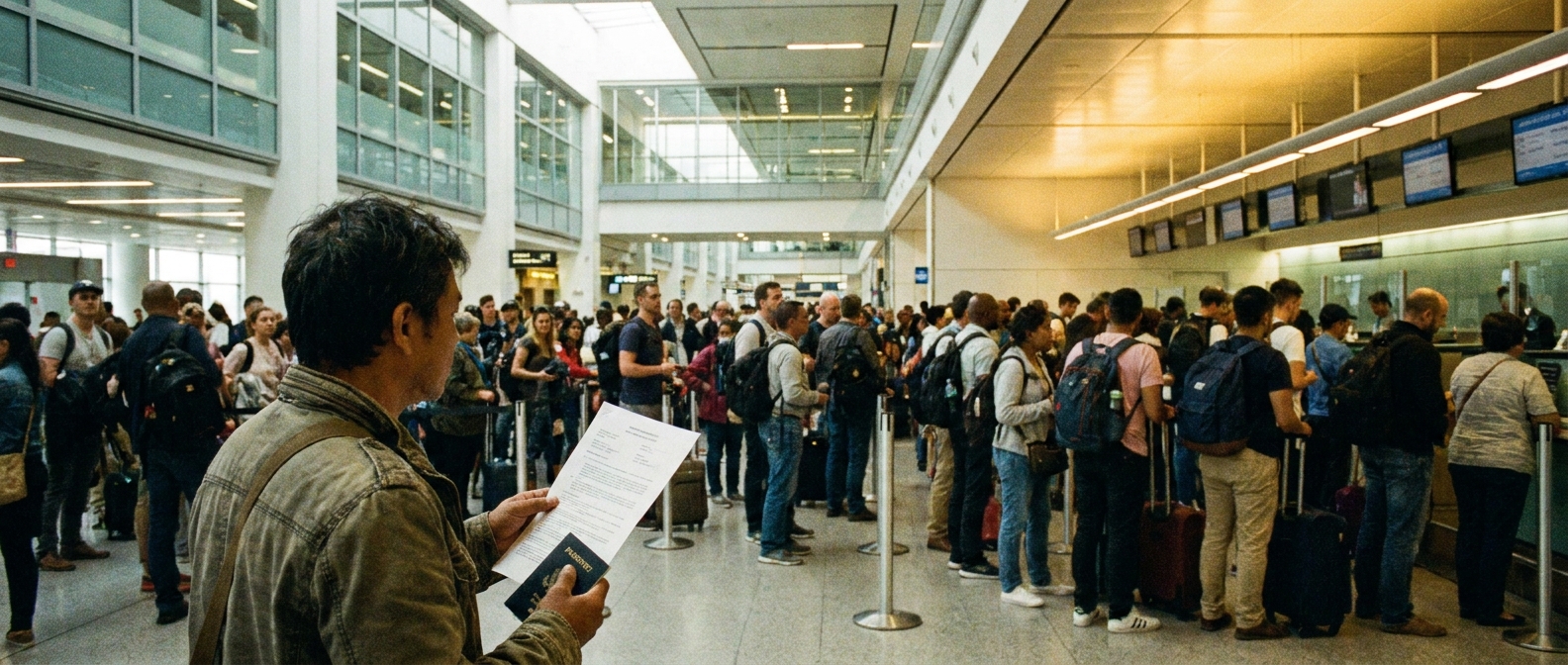
The call came at 3:00 AM, the kind of news that turns your stomach cold and sends your mind racing toward the nearest departure board. When a loved one in Vietnam falls critically ill, the administrative friction of international travel feels less like a bureaucratic hurdle and more like a cruel barrier. You are already mentally halfway across the Pacific, but your physical presence is tethered to a permit that you haven’t yet secured. In these moments, panic is your greatest enemy. Securing an emergency Vietnam visa is possible, but it requires a level of precision that is often compromised when your adrenaline is peaking.
Most travelers mistakenly believe that the bottleneck for urgent travel documents is the processing speed of the immigration department. While that is a factor, the real delay almost always originates on your end. When you engage a service to handle an urgent Vietnam visa for a family emergency, they aren’t waiting for the government; they are waiting for you to provide files that meet the strict technical standards required for approval. If your scan is blurry, shadowed, or cropped, it will be rejected by the system, effectively stalling your application while you scramble to find a scanner at a local office supply store.
Precision Documentation for Rapid Approval
The single most important document you must have ready is a high-resolution, ICAO-compliant scan of your passport’s data page. This isn’t just a photo taken with your smartphone in a dimly lit hallway. It needs to be a flat, perfectly aligned digital capture. Every digit of the machine-readable zone at the bottom of the passport must be crisp and legible, without any glare obscuring the text. A blurry scan is the primary reason for initial rejections, and in a 48-hour window, one failed upload can cost you three or four precious hours of processing time. You need to treat this scan as the digital version of your physical identity; if the system can’t read it, you don’t exist in the eyes of the immigration portal.
Beyond the passport, you should have your flight itinerary ready in a PDF format. This should show your full name, the airline, and the flight number for your inbound travel to Vietnam. Some agencies will also request a brief, formal letter or a note from a medical professional if you are seeking a compassionate visa entry due to a family crisis. Having these documents organized in a single folder on your desktop before you even reach out to an agency allows you to respond to requests in seconds rather than minutes. Time is the one currency you cannot earn back during these two days.
When you are in the middle of a genuine crisis, it is important to understand the limits of what a rush tier service can actually achieve. Expedited processing is designed to accelerate the administrative review of your application, but it cannot override the foundational rules set by the immigration authority. If there are discrepancies in your personal data, or if you have previously overstayed a visa in Vietnam, no amount of money or urgency will bypass the background verification process. Be absolutely honest with the agent assisting you regarding your past travel history. Concealing a previous visa issue will result in an automatic rejection, and at that point, your window for catching your flight will likely have closed entirely.
- High-resolution, color scan of your passport data page (no glare).
- A digital copy of your flight booking confirmation (not a screenshot).
- A brief, factual explanation of the emergency to support the application.
- A credit card or digital payment method ready for immediate processing.
Once your documents are submitted, your role shifts from active organizer to vigilant monitor. Check your email, including your spam folder, every fifteen minutes. Agencies handling an urgent vietnam visa family request will often send follow-up questions that require an immediate response. If they ask for a missing detail or a clearer scan, the clock is still ticking, and the sooner you provide the correction, the sooner they can force the application through the final stages of the process. This is not the time to step away from your computer for a quick meal or a walk to clear your head.
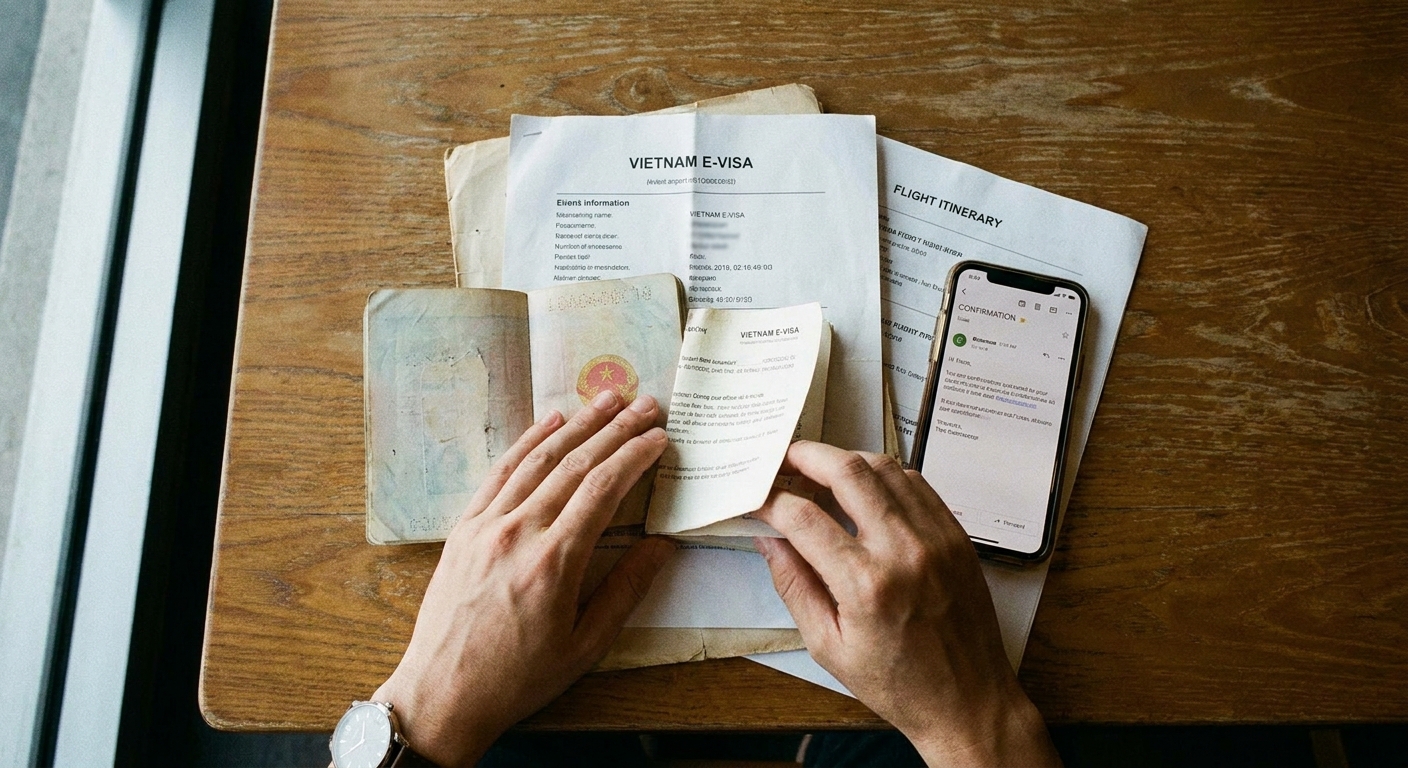
One final reality check for those facing a sudden, heartbreaking departure: the visa approval is only the first piece of the puzzle. Once you have the approval letter in your inbox, print it out. Carry at least two hard copies in your carry-on luggage, along with your passport and, if possible, any medical documentation regarding the family member you are visiting. International airports in Vietnam have become increasingly efficient, but they still operate on paper. Having those crisp, printed documents in your hand when you reach the immigration desk after a long-haul flight is the final step in ensuring that you get out of the airport and onto the road to your family as quickly as the system allows.
The process of obtaining an emergency vietnam visa is inherently stressful, but it is a solvable problem if you treat it as a logistical mission. Focus on the quality of your digital files, stay tethered to your communication channels, and provide the exact information requested the first time around. While you cannot control the speed of the government’s servers, you can control the efficiency of your own preparation. Every moment you spend getting your documentation right is a moment you are buying back for yourself, bringing you closer to the family members who need you on the ground in Vietnam.