The ideal duration for a trip to Vietnam is between 14 and 21 days. This timeframe allows travelers to balance the bustling northern mountains, the cultural heritage of central cities, and the southern river deltas without feeling rushed, providing sufficient time to account for standard visa processing and local travel logistics.
Planning a trip to Vietnam in 2026 requires balancing your itinerary with the reality of local transit and administrative processing. Most travelers find that two weeks provides enough time to cover the major highlights, but three weeks is the sweet spot for avoiding burnout. Because Vietnam stretches over 1,000 miles from north to south, internal travel consumes significant time. Domestic flights between Hanoi and Ho Chi Minh City take approximately two hours, but airport security and transfers often turn a half-day into a full day of movement. If you attempt to see the entire country in under ten days, you will likely spend more time in transit than exploring.
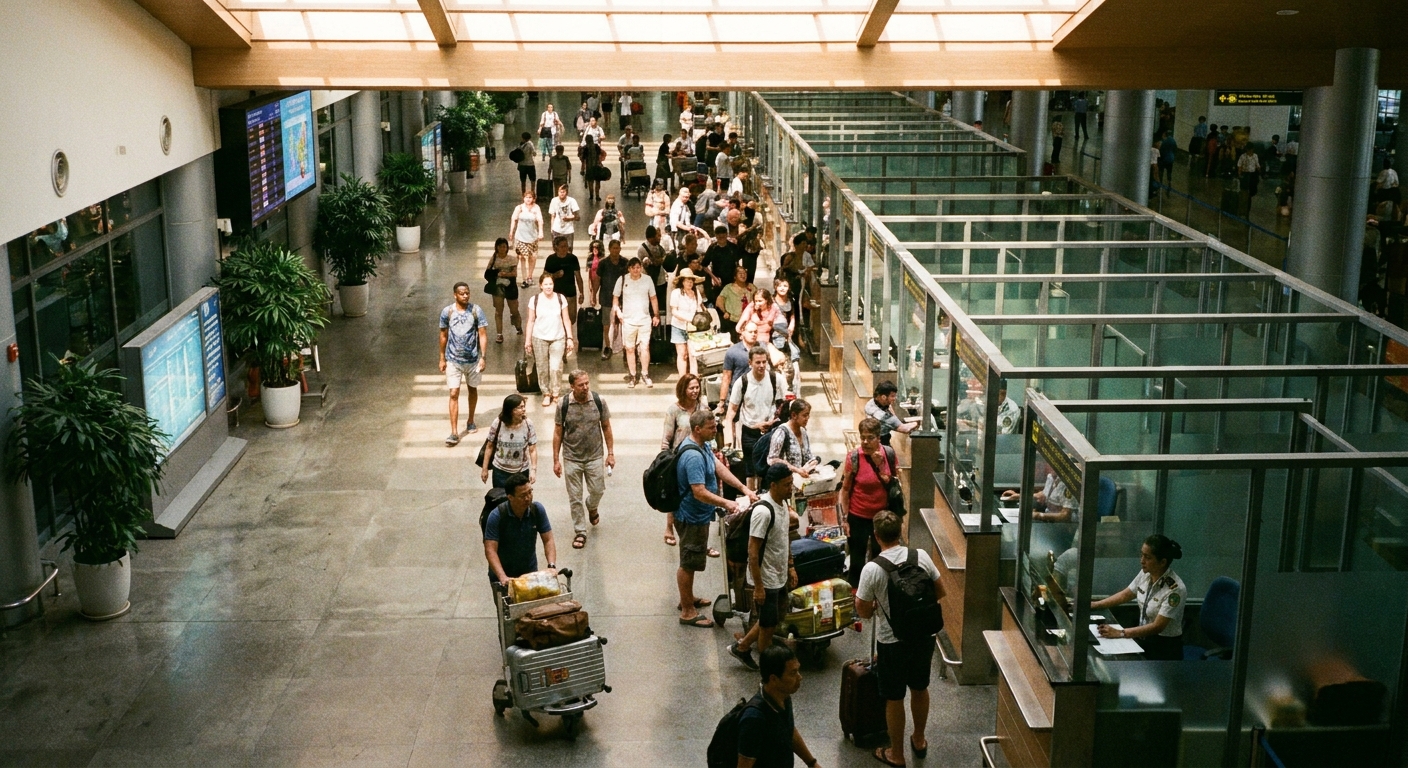
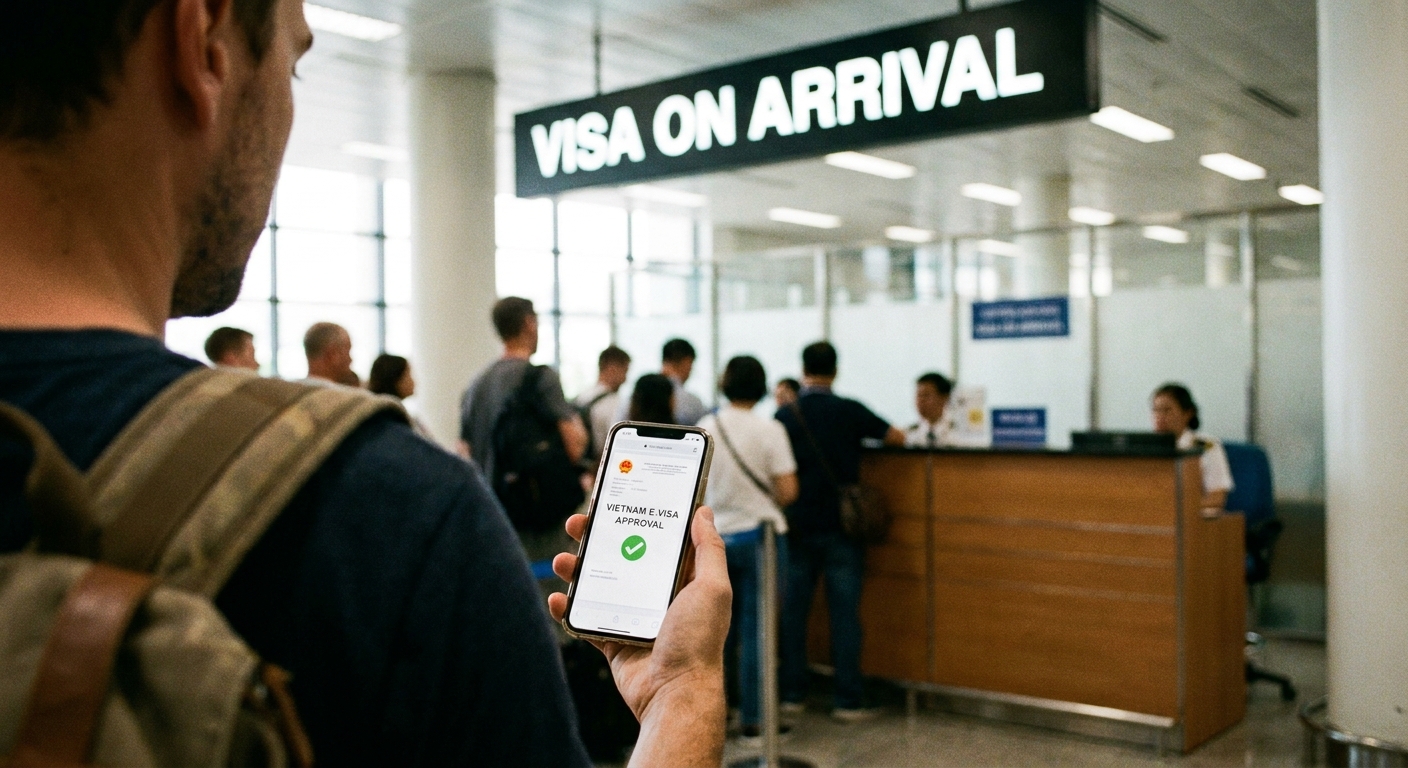
Visa processing times remain a critical factor in your planning. While the standard e-visa is officially listed as three working days, government systems occasionally experience backlogs during peak travel seasons or public holidays. In 2025, many visitors reported that submitting their applications at least 14 days before departure provided a buffer against unexpected technical delays or requests for additional documentation. Port-of-entry behavior is generally consistent, but immigration officers at major international airports like Noi Bai and Tan Son Nhat prioritize efficiency. Having your printed approval letter and passport ready ensures that your entry process takes minutes rather than hours.
Regional travel logistics also influence how long you should stay in specific areas. For instance, the Mekong Delta requires at least two days to appreciate, as the river network moves at a slower pace than the city centers. Similarly, the mountainous regions of Sapa or Ha Giang demand extra buffer days due to winding roads and unpredictable weather conditions that can occasionally delay ground transport. When calculating your total trip duration, always add a 48-hour contingency window for transit delays, localized weather events, or the occasional administrative hiccup. This approach transforms a frantic race across the country into a manageable exploration of local culture and landscapes.
By 2026, the digital infrastructure for entry has stabilized, but human error in application forms remains the leading cause of delays. Double-checking passport details against your visa application is more effective than paying for expedited services. If you are planning a multi-country tour through Southeast Asia, remember that Vietnam’s entry requirements are distinct from its neighbors, and your arrival date at the border must align precisely with the dates stated on your visa. Allowing yourself a slightly longer stay not only accommodates these logistical realities but also provides the flexibility to linger in places that resonate with you, rather than sticking to a rigid, hour-by-hour schedule that ignores the reality of Vietnamese travel.

Frequently asked questions
How many days is ideal to spend in Vietnam?
Spending 14 to 21 days is ideal for most visitors. This duration accommodates the significant travel time required to move between the north, central, and southern regions. A three-week trip allows you to explore major cities and rural landscapes without rushing, while also providing a necessary buffer for any transit delays or administrative requirements.
How long does it take to get from Ho Chi Minh City to Mekong Delta?
Traveling from Ho Chi Minh City to the Mekong Delta typically takes between two and four hours by car or bus. The duration depends heavily on your specific destination within the Delta, such as My Tho or Can Tho, and the current traffic conditions exiting the city, which can be quite dense during morning hours.
Is a Ha Long Bay overnight cruise worth it?
An overnight cruise is generally considered worth it because it allows you to reach quieter, more scenic areas of the bay that day-trippers never see. Spending a night on the water provides access to sunrise views and evening activities, which are highlights for most travelers, though the experience depends on choosing a reputable operator.
Can you stay overnight on a Halong Bay cruise?
Yes, staying overnight on a cruise is a standard offering in Ha Long Bay and Lan Ha Bay. Most vessels provide cabins with private facilities, and overnight packages typically include multiple meals and guided excursions to caves or floating villages, allowing for a much deeper exploration than a short, four-hour boat tour.
How long does it take to get an emergency visa to Vietnam?
Emergency visa processing typically takes between one and two working days, though this is subject to government approval and current system capacity. It is not a guaranteed service and often requires professional assistance to coordinate with immigration authorities. Travelers should always aim for the standard e-visa process whenever possible to avoid high fees.