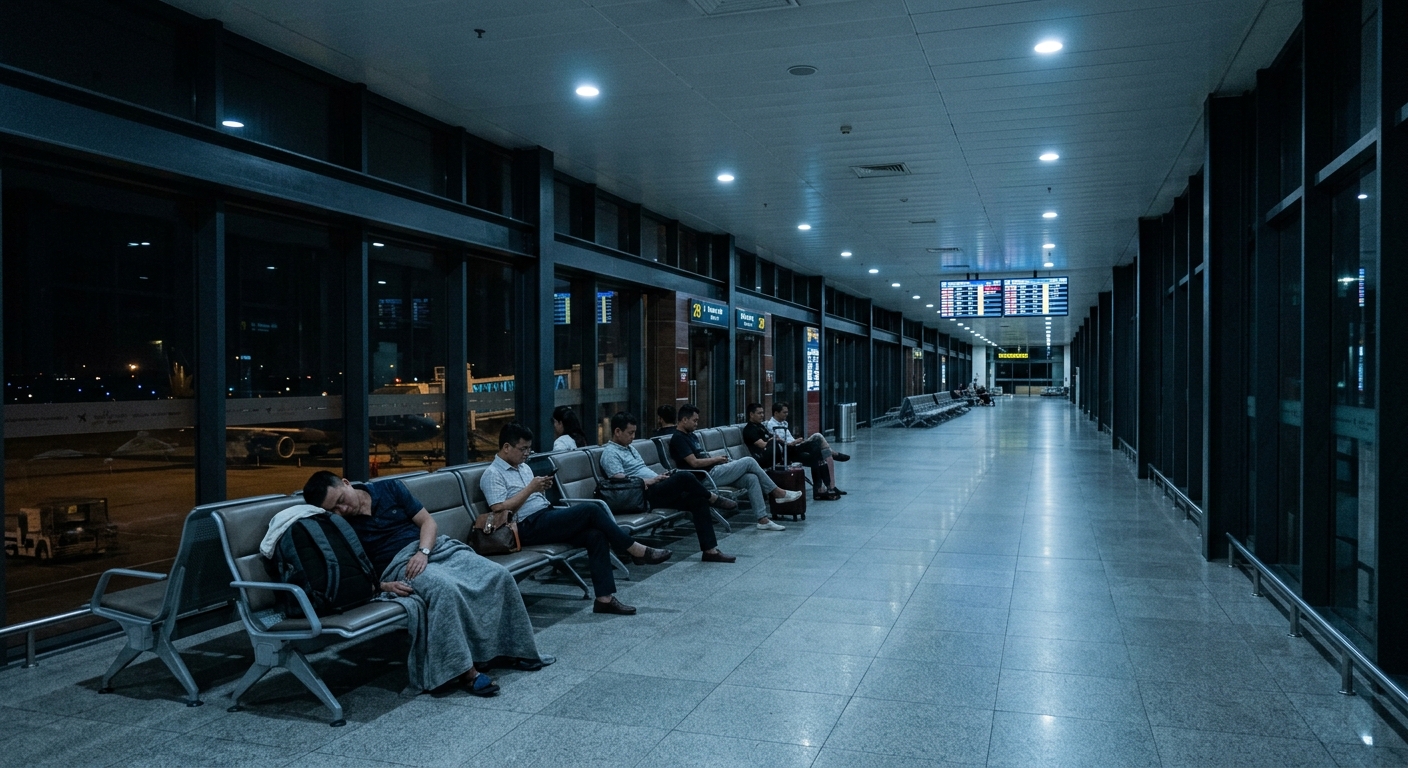
Standing in the transit area of Noi Bai International Airport, staring at departure boards while realizing your connection involves a forced entry into Vietnam, is a position that ruins many travel plans. Most passengers assume that staying airside means they are exempt from border control entirely, but the reality is more nuanced. If your baggage is not checked through to your final destination, or if your flight itinerary requires you to pass through immigration to re-check your bags or change terminals, you are effectively entering the country. Without a valid visa or a confirmed exemption, you are stuck in a legal limbo that airline staff at the boarding gate will flag immediately.
The first thing to understand is the 24-hour transit exemption. Vietnam allows certain international travelers to remain within the transit area without a visa, provided they stay within the designated zone and possess an onward ticket departing within 24 hours. However, this rule does not apply if you need to pass through immigration to reach your next flight. If your transit requires you to leave the arrivals hall—even for a few hours—the transit exemption is effectively void. This is where many travelers scramble to find a vietnam visa urgent transit zone solution, often realizing too late that the gate agents cannot simply issue a pass for you to enter the country.
The Reality of Applying While Airside
There is a persistent myth that you can sit in the transit lounge, apply for an e-visa on your phone, and wait for it to pop into your inbox within an hour. In practice, the system is rarely that immediate. While some travelers consider the urgent Vietnam evisa process, the government portal requires manual processing time. Even with an expedited service, approval is rarely instantaneous. If you are already physically at the airport, the e-visa application often fails to account for the fact that immigration officers may view your presence as an attempt to bypass standard entry protocols.
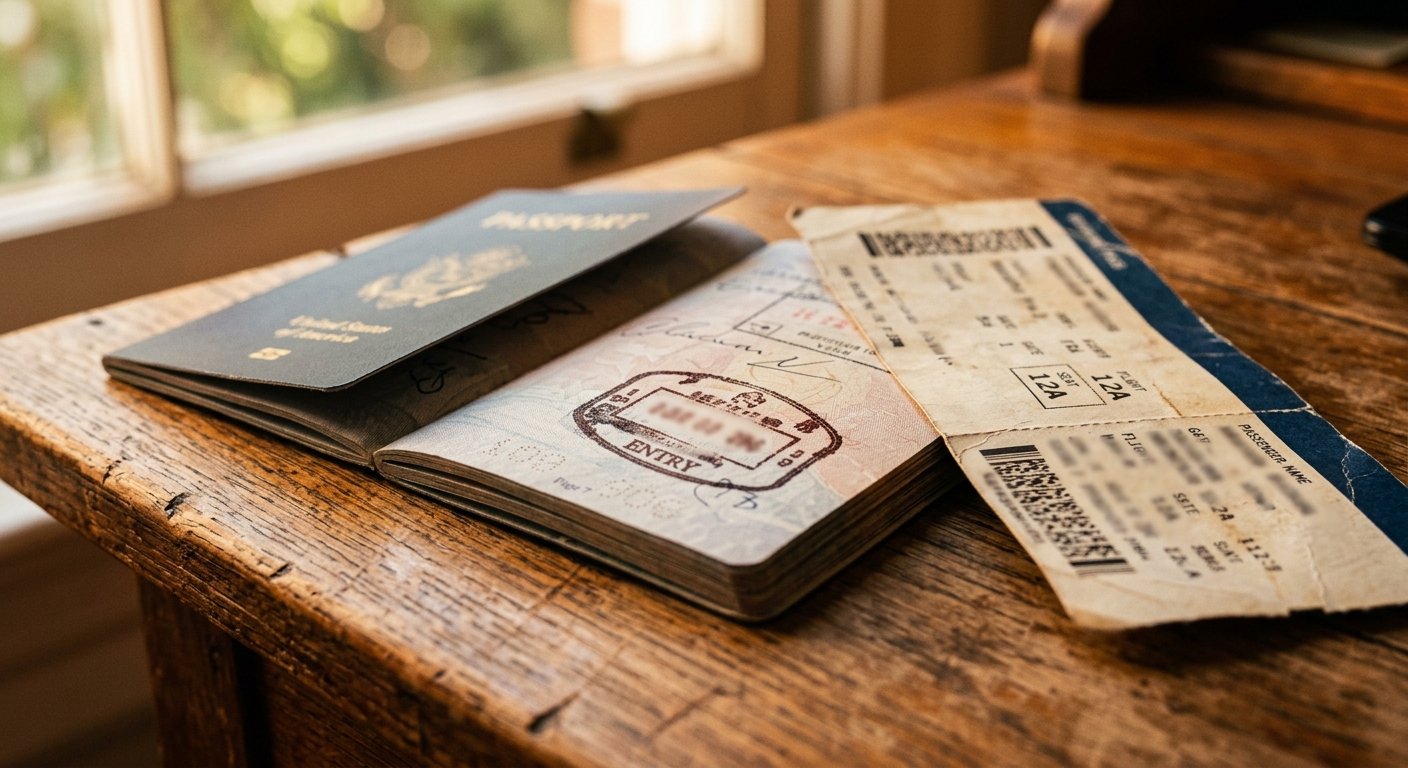
When your visa application is still pending, you cannot clear immigration. If your airline refuses to let you board your initial flight without proof of entry, you are looking at a potential denial of boarding. Understanding the emergency Vietnam visa criteria is essential here, as legitimate emergency processing is reserved for specific, documentable situations. Simply showing up at Noi Bai without the proper paperwork is rarely treated as a qualifying emergency by the authorities. Most travelers who find themselves in this spot have mistakenly assumed that an online application would be approved in minutes, only to find themselves refreshing their email while the boarding gates close.
If you find yourself in the Noi Bai transit zone with an urgent need to enter the country, you should look for the “Visa on Arrival” or “Visa Application” desk located near the immigration counters before you pass through passport control. This is the only physical point of contact for resolving entry issues. Be aware that the officers at this desk generally only handle pre-arranged visa approval letters. They are not authorized to issue visas to travelers who simply show up without prior documentation. If you have arrived with no paperwork, your options are limited to either waiting for an e-visa approval—if you have the time—or coordinating with your airline to rebook your connection to avoid entering the country altogether.
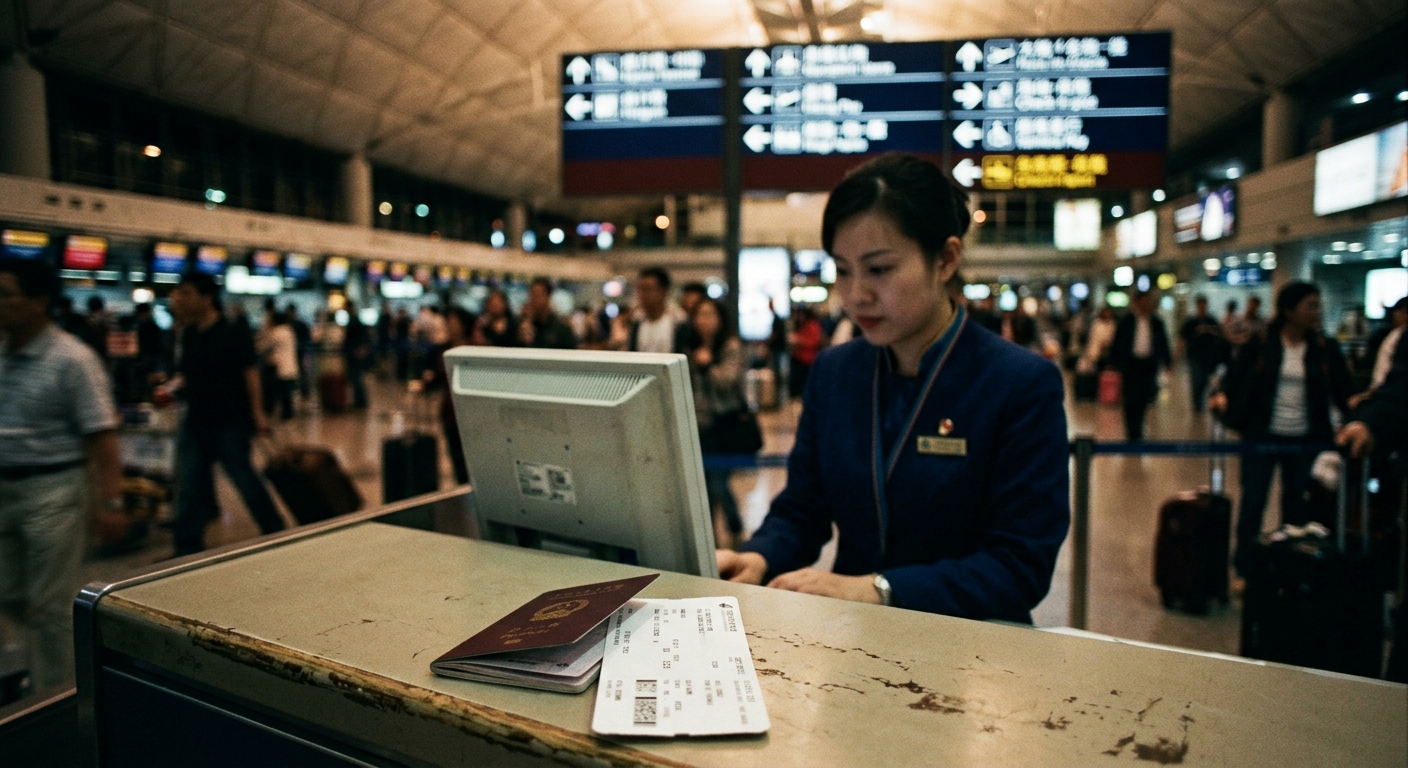
The documentation required for this process generally includes:
- A valid passport with at least six months of remaining validity.
- A printed copy of your visa approval letter or e-visa confirmation.
- Two passport-sized photos, just in case they are requested for manual processing.
- Proof of onward travel, such as a confirmed flight itinerary.
Avoid the temptation to pay individuals claiming they can “fast-track” your entry inside the terminal. Scams targeting desperate transit passengers are not uncommon at major hubs. If you are truly in a bind, the safest path is to contact the airline representative at the transfer desk. They have the most experience with the noi bai transit visa requirements and are accustomed to dealing with passengers whose itineraries have hit a snag. They can often provide the most accurate assessment of whether the immigration office will allow a late entry based on your specific passport and arrival time.
Ultimately, the hanoi airport transit vietnam visa situation is one that favors preparation. If you suspect your connection might require you to exit the secure area, do not assume you can sort it out upon arrival. The immigration system at Noi Bai is rigid, and the officers on duty are there to enforce pre-established entry rules. Once you are past security, your ability to influence your entry status drops significantly. The best strategy is always to secure your entry documentation days before your flight, rather than relying on the hope that a digital application will be finalized while you are standing at a terminal gate with minutes to spare.