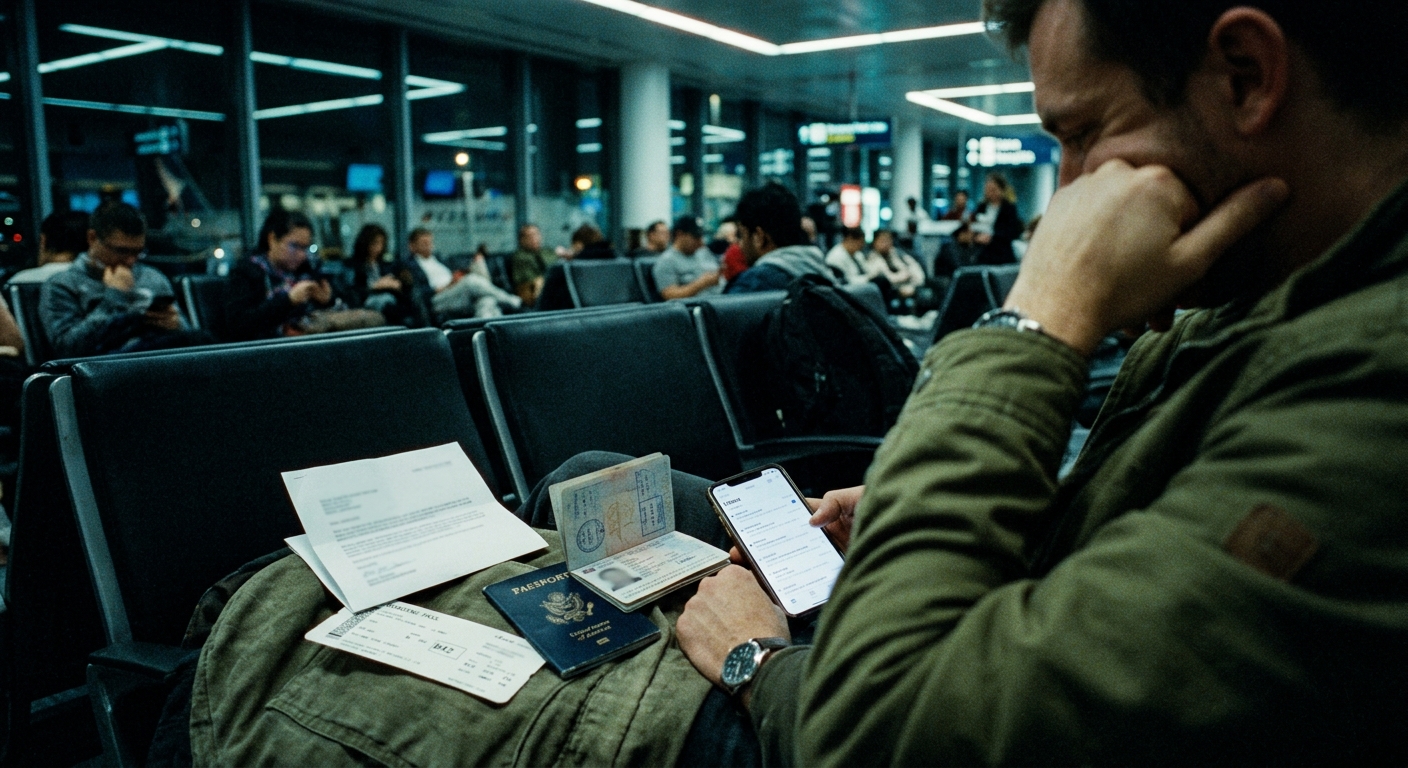
You are standing at the departure gate, passport in hand, and realize your e-visa application is still sitting in “processing” status three days after your intended flight. This is the moment when the distinction between a standard application and an emergency Vietnam visa becomes painfully clear. In the world of Vietnamese immigration, there is a technical queue, and then there is the reality of human intervention. While the government portal operates on a rigid 3-to-5 working day cycle, the urgency of your situation often dictates how quickly a file moves from the digital pile to an officer’s desk.
Ask online, we answer right awayType your question on this page. No app to install, no number to save.Ask onlineThe full breakdown of what can and cannot be sped up is in our guide to fast-track Vietnam visas.
Most travelers think that paying for a premium service magically forces the system to speed up, but the truth is more nuanced. Genuine emergencies—those backed by verifiable, high-stakes documentation—actually hold a different weight than a simple request for speed. When a traveler presents a hospital admission letter, a death certificate, or a sudden, non-negotiable business mandate, they are categorized differently. These documents provide the legal justification for an immigration officer to prioritize your file over the thousands of others submitted by tourists planning a leisurely trip.
The Documentation That Shifts Your Priority
When you seek an emergency Vietnam visa, you are essentially asking for an exception to the rule of standard processing. If you have a medical or family crisis, the goal is to provide evidence that leaves no doubt about your need for entry. A letter from an attending physician or a formal notification from an employer explaining a high-stakes deal collapse carries significantly more weight than a vague request marked “urgent.” If you are stranded due to a missed connection or a last-minute flight rebooking, your airline itinerary serves as the primary piece of evidence to justify a 24-hour turnaround.
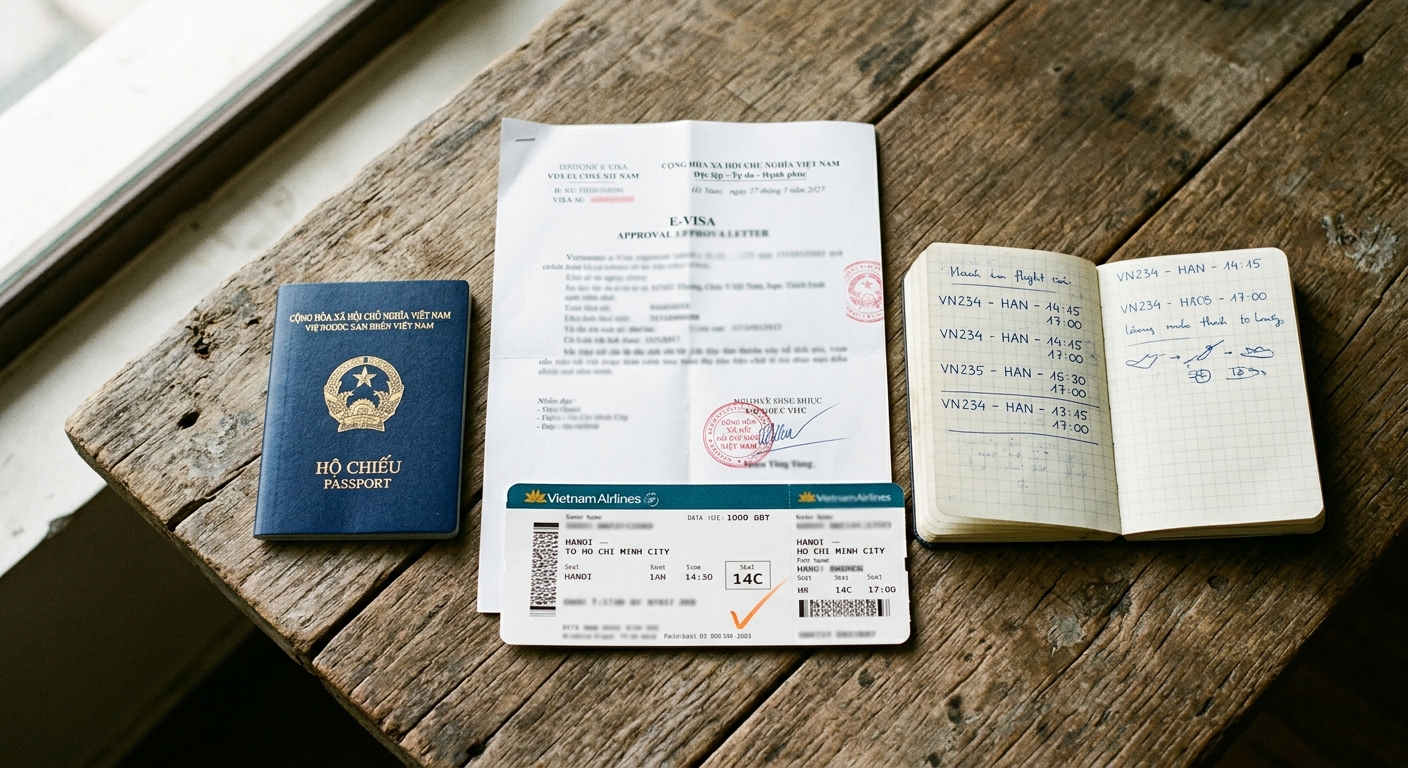
It is worth noting that some agencies will quietly process requests for travelers who simply forgot to apply on time, treating them with the same priority as a legitimate emergency. They do this by leveraging established channels with the Immigration Department, essentially bundling your request among those that require immediate attention. While these providers may not require a death certificate or a medical report to process your file, they are banking on the fact that the authorities in Hanoi will approve the batch. You are paying for their relationship with the system, not just their administrative skill.
When it comes to the logistics of an approved visa, the physical arrival is where the real stress test happens. If you are granted a same-day e-visa, it is vital to have both the digital approval and a printed hard copy ready the moment you land at Noi Bai or Tan Son Nhat. Immigration officers at these hubs deal with thousands of passengers daily, and they have seen every version of a “last-minute fix.” They are not looking for excuses; they are looking for the exact, matching details on your passport and the official government-issued approval letter.
Even with an approved visa, you might be pulled aside for a brief confirmation. Officers at the border are empowered to verify the legitimacy of your entry, especially if your application was processed outside the standard window. If you are using a vietnam visa fast-track service, do not be alarmed if an agent meets you at the bridge or near the visa-on-arrival counter to guide you through the process. They are there to ensure that any discrepancy between your urgency and the system’s records is smoothed over with the appropriate officer on duty.
It is rare, but sometimes a genuine vietnam visa medical emergency moves faster than a paid premium tier. This happens because the human element of the immigration office recognizes the gravity of the paperwork attached to your file. When an officer reviews a case involving a medical facility or a funeral, they are acting on humanitarian grounds. These cases are prioritized because the system allows for discretion when the alternative involves denying a person access to their family or critical treatment. This is not a market-driven speed; it is an administrative response to a real-world event.
Be prepared for the fact that even with the best support, you are at the mercy of the Vietnamese government’s working hours. If your application falls on a weekend or a public holiday, the ability to get a same-day approval is significantly restricted, regardless of how much you are willing to pay. There are no bots that can override a closed government office. When planning your route or managing your crisis, always check if your flight lands during a time when the immigration office is actually active. Even a 24-hour service provider can only move as fast as the gatekeepers in Hanoi allow, and understanding that rhythm is the most important step in navigating a true travel emergency.