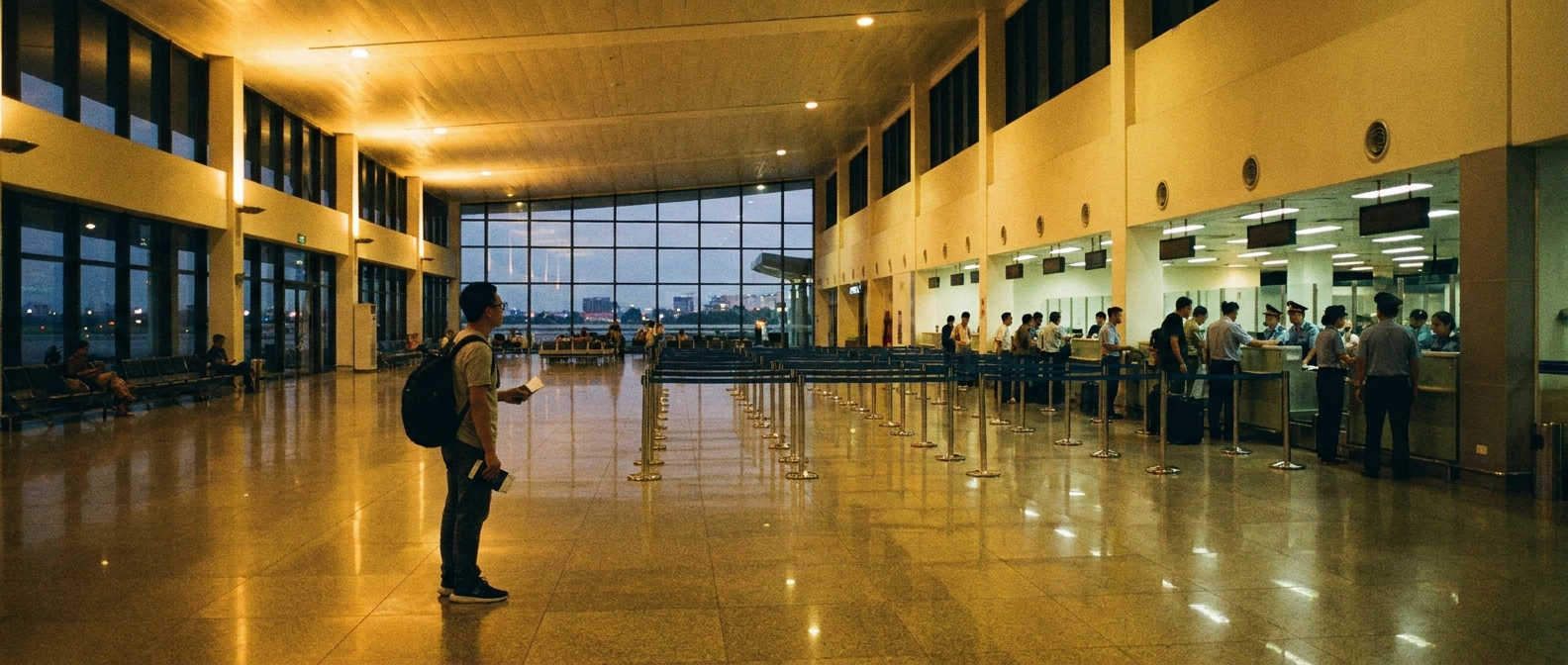
The call came at 9:00 PM on a Sunday. On the other end of the line, a man was pacing in a quiet terminal, his voice tight with the specific, jagged anxiety that only comes when a family member is suddenly hospitalized in a foreign country. He needed to be in Hanoi by tomorrow morning, but he had no visa, and his flight was already boarding. This is the reality of an emergency vietnam visa medical crisis: the bureaucracy of border control rarely aligns with the urgency of a life-or-death situation. When you are looking at a 72-hour standard processing window, you aren’t just looking at a bureaucratic delay; you are looking at being barred from the bedside of a person who needs you.
When our team receives a distress call like this, the first step is triage. We don’t need a life story; we need documentation that speaks to the urgency. Immigration authorities do not grant priority status because of a vacation mix-up, but they do acknowledge humanitarian crises. To move an application from the back of the queue to the front, we require three specific items: a clear, high-resolution scan of the passport data page, a formal letter from the hospital in Vietnam confirming the patient’s condition, and proof of relationship. Without these, the application remains just another file in the digital heap. If you are struggling with the basic submission process, understanding the common errors that slow down your urgent Vietnam evisa application is vital to ensure you aren’t disqualified before you even begin.
Executing a Sunday Night Visa Intervention
Operating a visa service on a Sunday night requires a dedicated connection to the immigration gateway. When a client sends their files, we perform an immediate audit. Are the passport details legible? Is the hospital letter on official letterhead? If a document is blurry or the relationship isn’t clear, we catch it in minutes rather than days. Once the files are verified, the request is pushed through our authorized channels. While standard applications often sit in a holding pattern, an urgent visa family emergency vietnam request leverages the discretion of immigration officers who have the authority to fast-track files if the humanitarian case is undeniable.
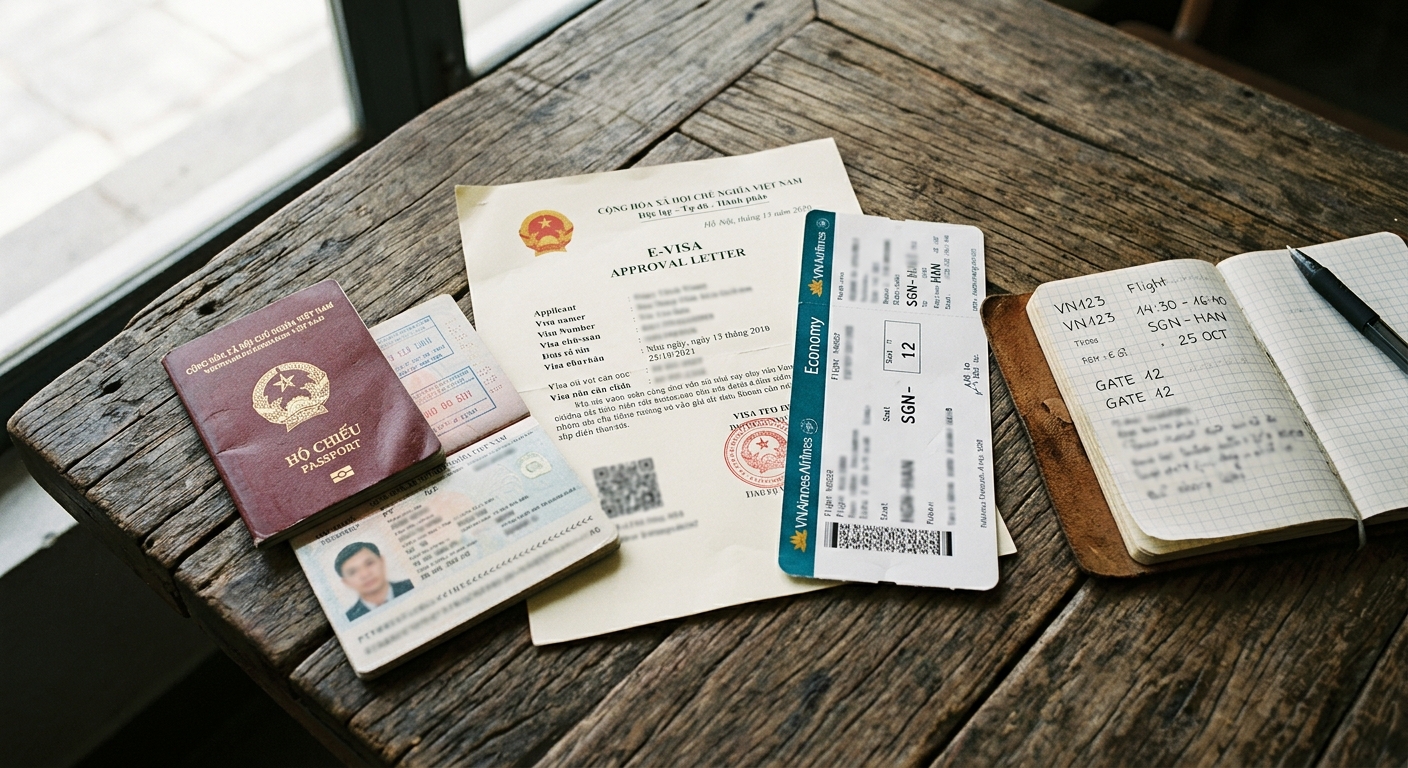
This is where the distinction between automated systems and human intervention becomes critical. We monitor the status in real-time, refreshing the database to ensure no query goes unanswered. If the system flags an inconsistency—perhaps a digit off in a birthdate or a mismatch in the entry port—we rectify it instantly. This level of oversight is why a vietnam visa same day approval is possible even when the official portals claim a multi-day wait. It isn’t magic; it is a prioritized workflow where the immigration portal is fed perfectly prepared data that requires minimal administrative overhead.
Once the digital visa approval letter arrives—usually a PDF document sent via encrypted channel—your work isn’t finished. You still have to cross the threshold at Noi Bai International Airport. When you present that letter to the immigration officer at 4:00 AM, do not expect a casual stamp. They will look at the document, then at you, and they will likely ask for the same proof you provided us: the hospital documentation. They are looking to verify that the emergency is legitimate. Keep your digital copies ready, but also have a printed version of the hospital letter in your hand. The officers are often more lenient when they see a prepared traveler who has already organized their supporting evidence.
If you find yourself in the position of needing a 24-hour turnaround, it helps to know how the service tiers differ before you commit your time and money. Familiarizing yourself with how to secure a reliable Vietnam visa 24 hours service can prevent the panic that occurs when you realize your flight leaves in less than a day. The process relies on transparency; the system works best when the traveler provides exactly what is asked, without omission. If you have been denied a standard visa or have had an application pending for too long, the emergency path is a specific lane reserved for those who can prove that time is not a luxury they possess.
At the airport, the interaction is usually brief but sharp. You might be asked to step to a side desk while they verify the code against their internal manifest. This is standard procedure. Do not be intimidated by the formality; simply state your purpose clearly and keep your documentation accessible. You are not there to negotiate your entry; you are there to confirm that the emergency that necessitated your arrival has been properly documented and vetted. Once the officer cross-references the approval letter against their internal system, they will process the stamp. The weight of the flight and the stress of the hospital stay often dissolve the moment that seal hits the page, signaling that you are finally allowed to proceed to the hospital.