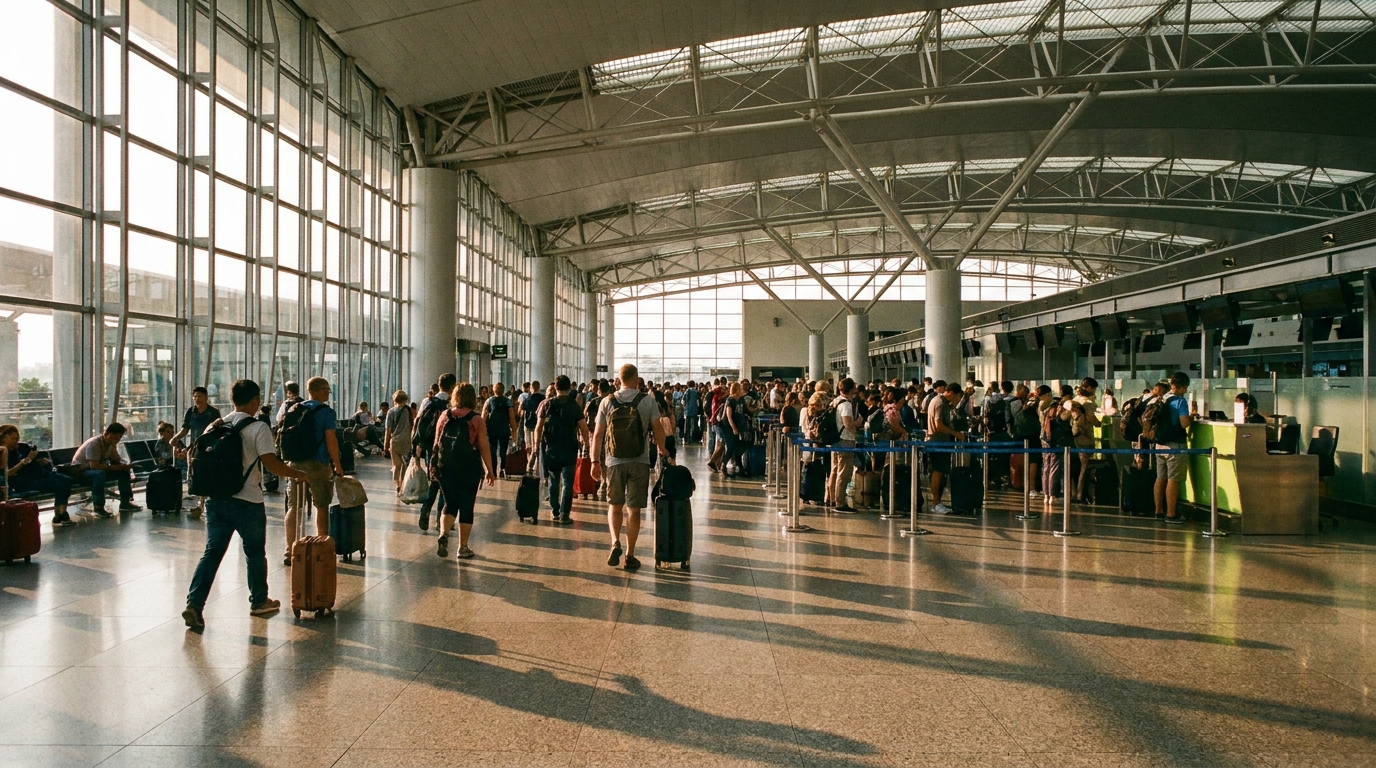
Standing at the check-in counter while your flight to Hanoi boards in four hours is a unique kind of panic. You realize your digital approval hasn’t arrived, or worse, you missed the window for standard processing entirely. In 2026, the Vietnam visa landscape is sharper and more digital than ever, but the systems still break under the pressure of last-minute travel. When you need a Vietnam visa 24 hours before departure, your options narrow down to three distinct paths. Each carries different risks, varying costs, and unique requirements at the immigration desk.
The official government e-visa portal is the first route most travelers attempt. It is the most transparent, yet ironically, the least reliable for true emergencies. When you apply through the official government portal, you are at the mercy of their current backlog. Even with the expedited processing option, the “urgent” turnaround is rarely guaranteed to hit the one-day mark. You pay the standard government fee plus an additional surcharge for priority handling. The reality is that if the system is backed up, your application sits in a queue. If you are desperate for a Vietnam visa 1 day before your flight, this is often a gamble that relies more on luck than service standards.
Evaluating the Three Main Tiers of Emergency Processing
The second option involves using a reputable third-party agency that specializes in expedited filings. These services operate by having dedicated liaisons who manually interface with the immigration authorities to push applications through the system. When you use this route, you provide your passport scan and entry details, and they handle the bureaucratic heavy lifting. The cost here is significantly higher—often triple the standard fee—because you are paying for a human to prioritize your file. Immigration officers see the exact same document as an official e-visa, but the difference is that you have a professional agent monitoring the backend to ensure the approval arrives in your inbox before your wheels lift off.
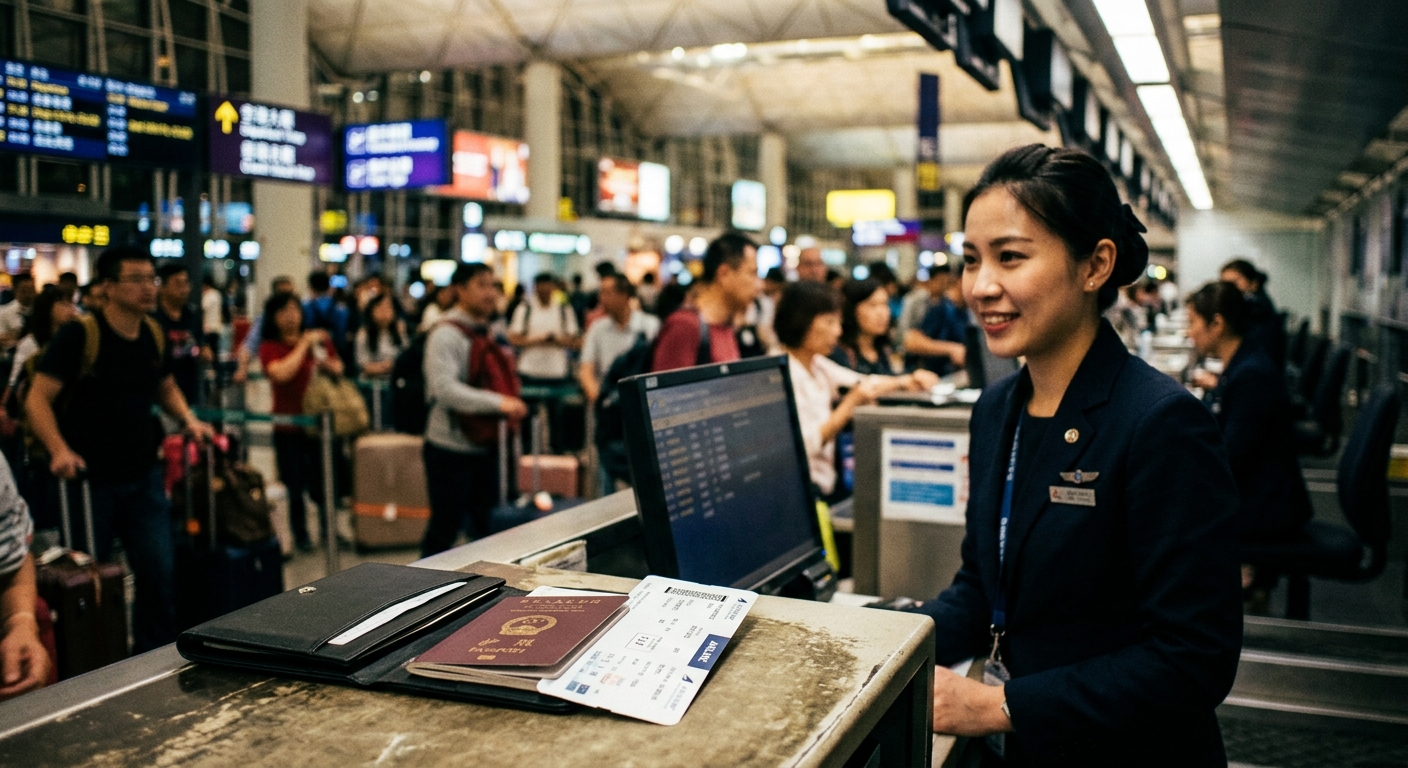
The third tier is the traditional visa-on-arrival (VOA) route, which relies on a pre-approval letter rather than an electronic visa. This remains a common fallback for those who do not fit the standard e-visa criteria or who need an urgent Vietnam evisa to correct errors made on earlier applications. You submit your details to an agency, they secure an official letter of invitation from the immigration department, and you present this document alongside a fee at the landing visa counter in Vietnam. While this route feels slightly more analog, it is often the most stable method for complex cases. Understanding the honest cost of an urgent Vietnam visa is vital here, as the fee paid to the agency for the letter is separate from the physical stamping fee you must pay in cash upon arrival at the airport.
For the average leisure traveler, the official e-visa portal is usually sufficient, provided you have a seventy-two-hour buffer. If that buffer is gone, moving to a third-party agency is the only way to secure an urgent Vietnam visa 24 hours before you leave. Business travelers, however, often favor the VOA route. Because business travelers may have specific letter requirements or multi-entry needs that are sometimes filtered out by the generic e-visa algorithm, the VOA provides a layer of human verification that keeps them moving through the business line at the airport without delay.
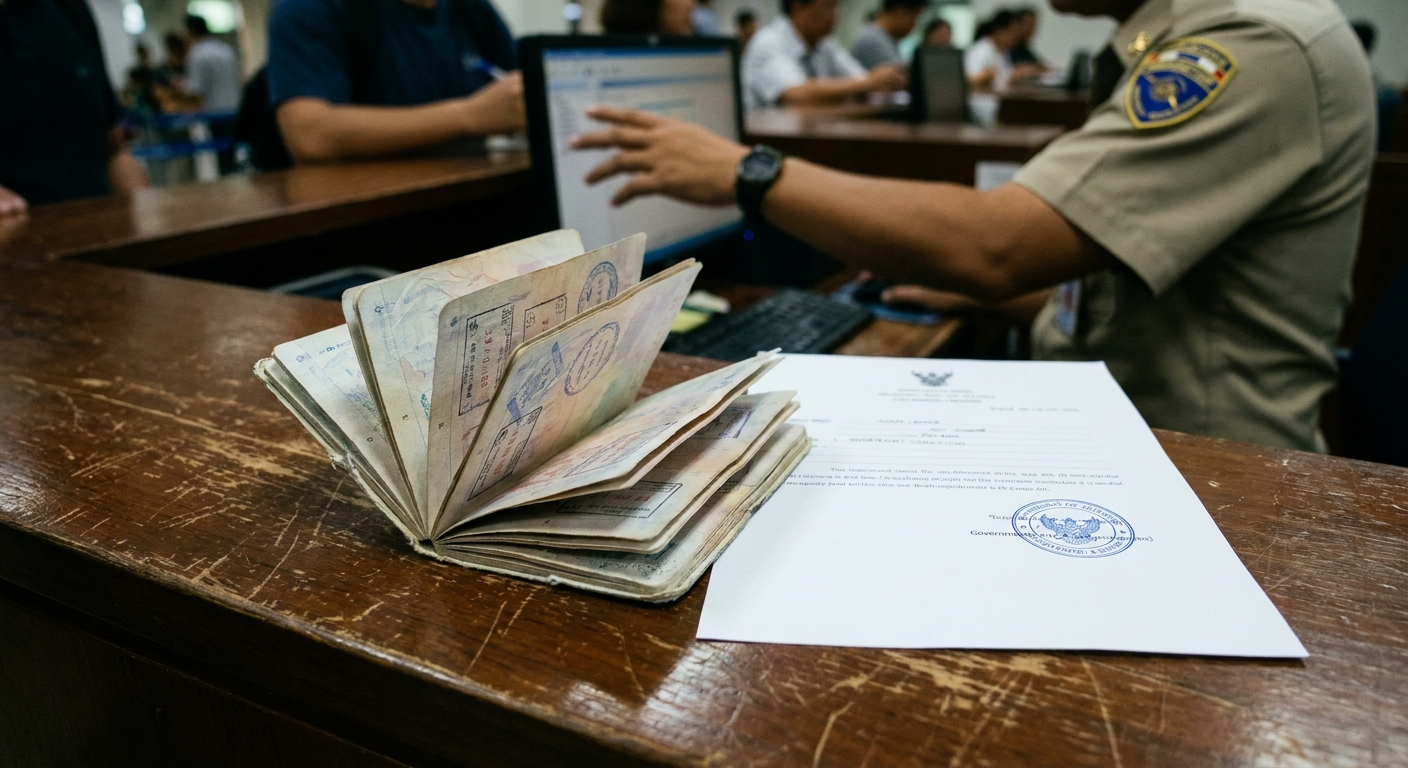
The most difficult position is for the traveler whose passport or nationality does not appear on the standard e-visa eligibility list. For these individuals, the e-visa portal is a dead end. They must rely exclusively on the visa-on-arrival letter, which requires a sponsor inside Vietnam. Agents can often arrange this sponsorship, but it takes time and specific documentation. If you find yourself in this category, do not attempt to force an application through the government portal; it will only result in a denial and the loss of your processing fee. Instead, work with a firm that can navigate the paper-based invitation process. By identifying which tier fits your specific situation, you move from panic to a structured plan, ensuring that you aren’t left standing at the gate while your passport remains empty.