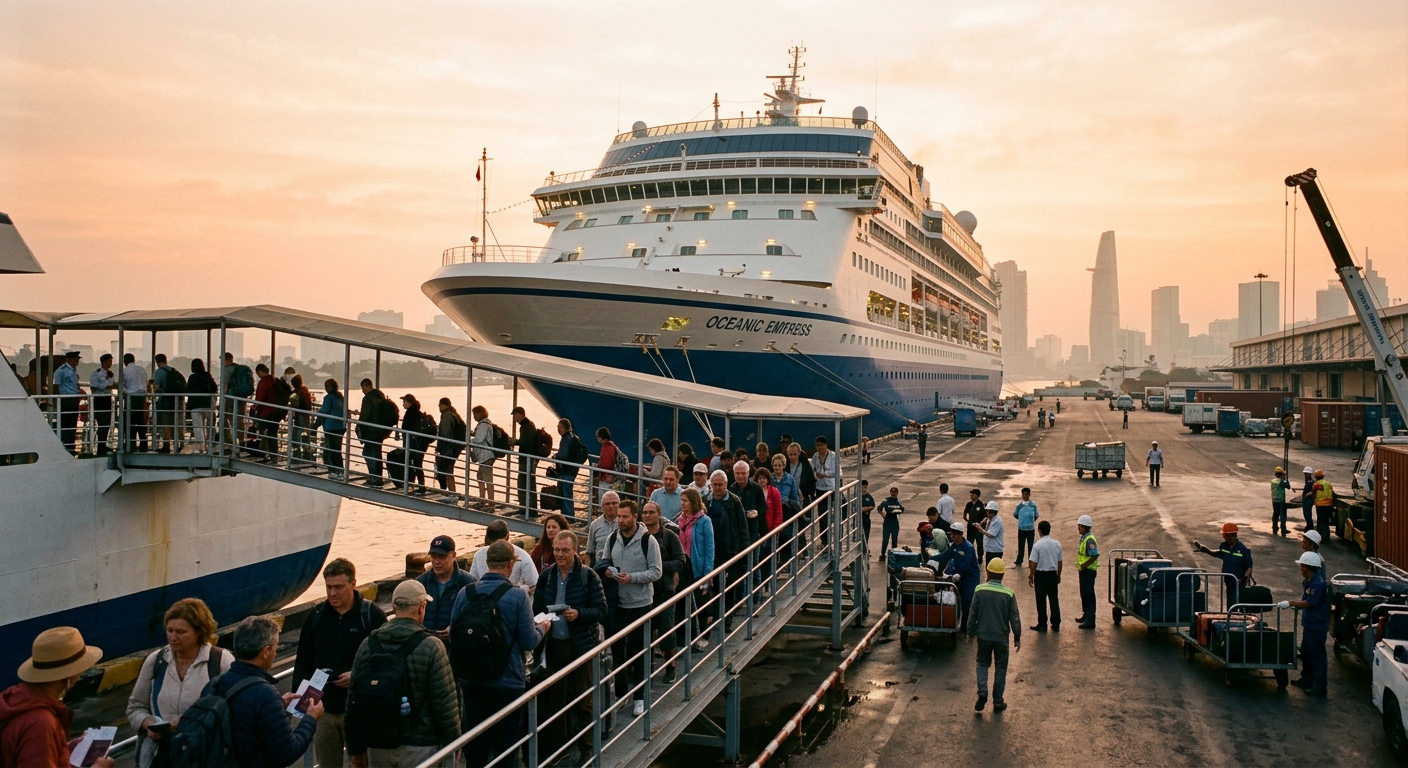
You are standing on the deck of a cruise ship, watching the coastline of Vietnam slowly emerge through the morning mist, when the reality sets in: your name is not on the manifest for the collective group permit. Cruise lines often rely on specialized group permits for their passengers, but paperwork errors, administrative bottlenecks, or simple clerical omissions can leave an individual stranded without legal entry documents just 48 hours before the anchor drops at Phu My port. The panic is immediate, especially when you realize that a standard, government-run e-visa processing portal is likely to move far too slowly to help you before your ten-hour shore excursion begins.
The fundamental problem lies in the disconnect between group ship permits and the standard Vietnam e-visa system. When you travel as part of a cruise group, the ship’s operator acts as your guarantor for a blanket visa, essentially treating the entire vessel as a single entity for immigration purposes. However, if that permit fails to include your specific details, the immigration officers at the gangway will deny your exit. You cannot simply use your ship ID or a boarding pass to step onto the docks of Ho Chi Minh City. You need an individual document recognized by the local system. If you find yourself in this position while still at sea, you must immediately shift your strategy toward securing an individual electronic entry document, acknowledging that you are effectively racing against the clock.
The Reality of Port-Side Immigration Requirements
Securing an urgent Vietnam visa cruise ship permit isn’t about waiting for a standard government response; it requires leveraging expedited channels that can bypass the usual three-to-five-day processing windows. While you are still at sea, you should assess whether your itinerary qualifies for an emergency Vietnam visa. This tier is reserved for those in genuine time-sensitive binds who have already exhausted standard options. The critical question is whether you can have an official approval document in your inbox before the ship docks at 7:00 AM. In the world of high-pressure visa processing, every hour counts, and even a few minutes lost to time zone calculations can be the difference between a day spent exploring the streets of Saigon and a day spent watching the city from your cabin window.
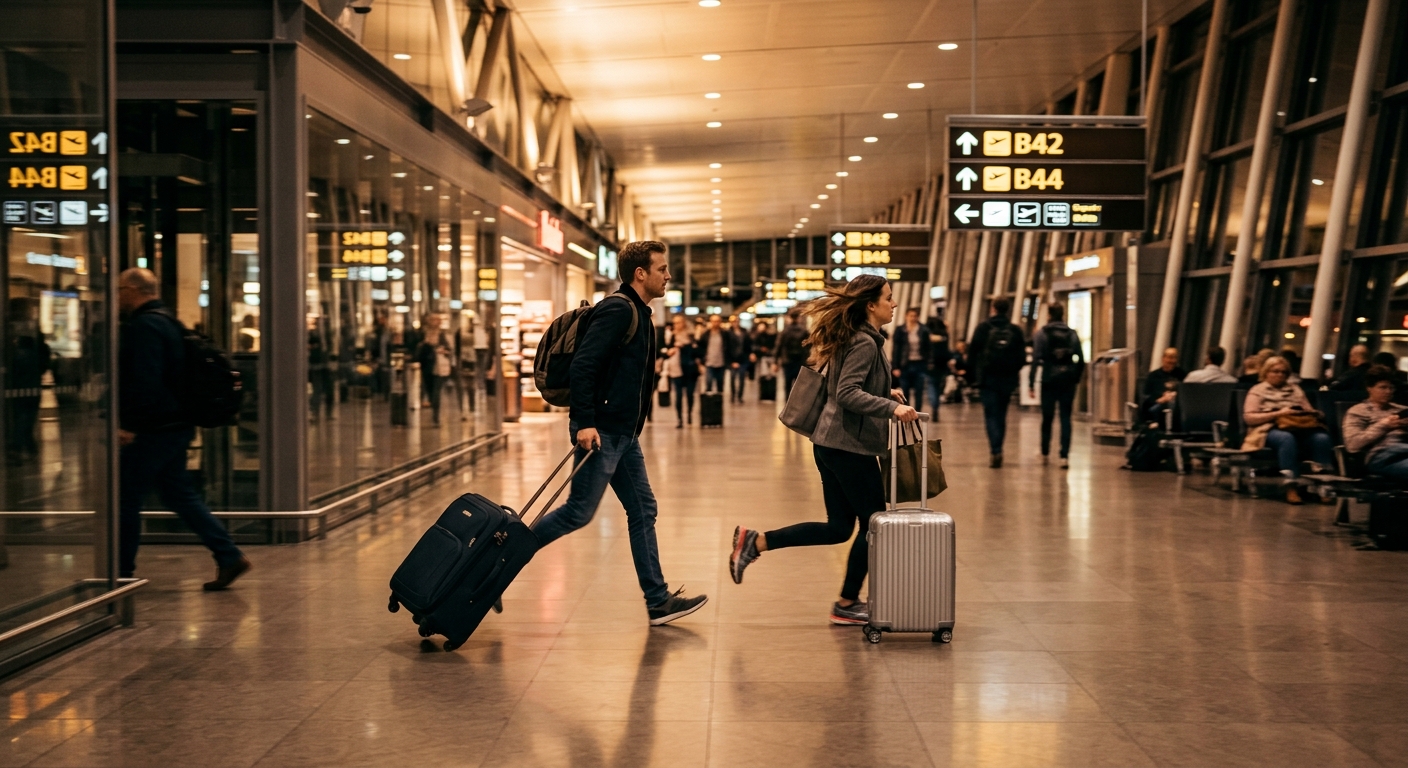
Many travelers mistakenly believe that they can just show an application receipt or a pending status update at the gangway check. This is a dangerous gamble. Vietnamese immigration officials require a physical, printed copy of your approved visa. If you walk up to the security personnel with nothing but a screen capture of a “processing” status, you will be turned back. The immigration system at Phu My is distinct; it is designed to cross-reference your passport number against a verified, finalized entry list. Without a matching entry in that database, your documentation is incomplete. If your visa is not ready when the ship docks, you are, for all practical purposes, not legally authorized to enter the country.
If you are within that 48-hour window, you must consider the reality of the various service tiers available to you. These tiers prioritize applications based on the arrival time and the complexity of the processing, often cutting through the bureaucratic red tape that traps standard applicants. You should be prepared for the following realities of the process:
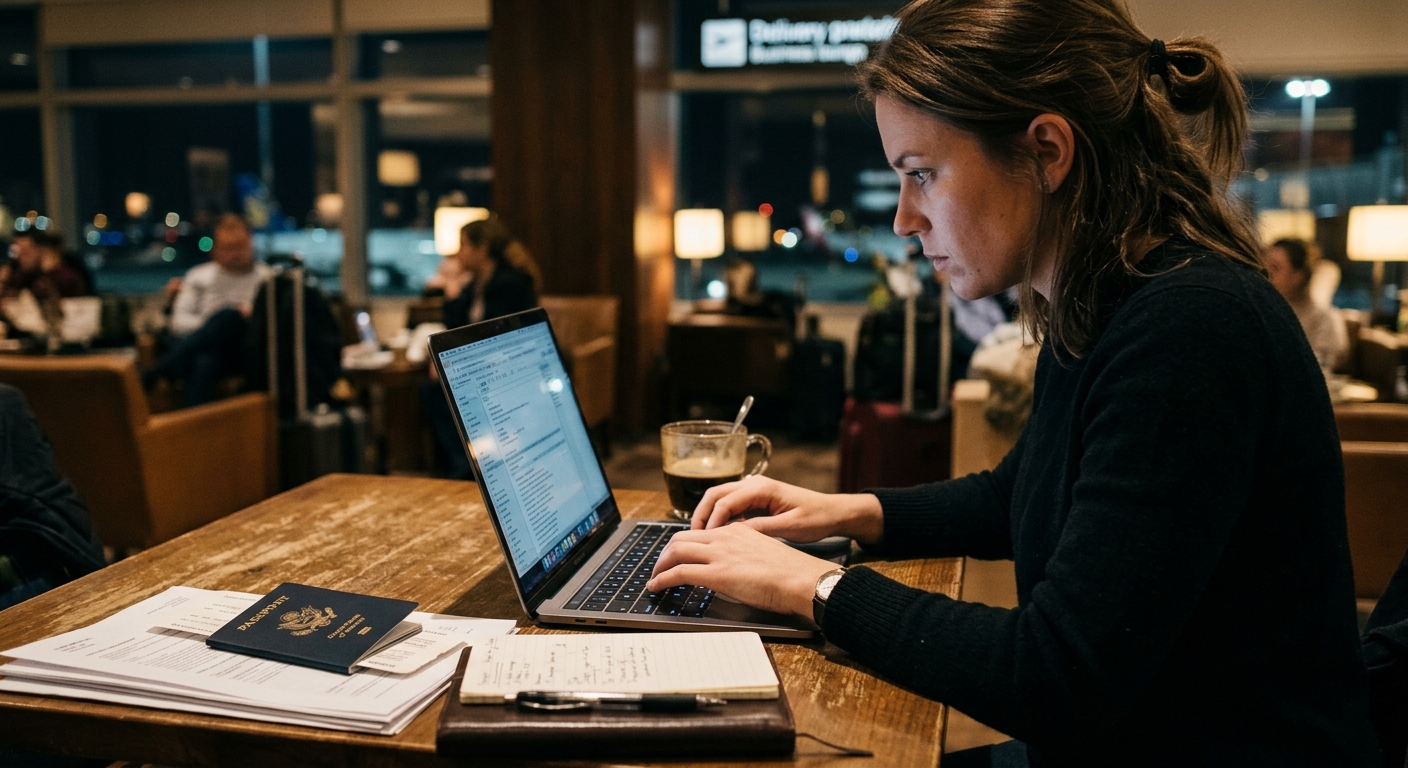
- The need for a high-resolution, glare-free scan of your passport data page, which can be difficult to produce on a shaky cruise ship connection.
- The requirement for precise, error-free data entry, as even a single mistyped character will trigger an automatic rejection by the immigration server.
- The necessity of having a reliable, high-speed mobile data connection or satellite internet to receive the final approval letter.
- The requirement to print your visa at the ship’s business center immediately upon receiving the PDF file.
If the clock strikes 7:00 AM and the visa has not cleared, your window of opportunity narrows drastically. While some passengers attempt to wait for a mid-morning update, the reality is that local immigration offices often stop processing urgent requests early in the day. If you reach the port gangway at 9:00 AM, you are already losing valuable time. If you choose to attempt a late-stage arrival, you should keep your expectations tempered; sometimes, the best-case scenario is arriving at the port, clearing immigration, and meeting a private transfer that can whisk you into the heart of the city, allowing you to salvage at least a few hours of your ten-hour port call. It is a high-stakes scenario, and it is rarely comfortable, but it remains the only viable path when your group arrangement fails.
Ultimately, when you arrive at a Vietnam port call, you are at the mercy of the system’s current processing speed and your own ability to provide accurate, verified information. If you find yourself in the position of needing an urgent Vietnam visa for your visit, the most effective approach is to stop assuming the cruise line will fix the error and start treating the application as a personal, independent matter. There is little room for error when you are docked for only ten hours, but with the right documentation in hand, it is possible to transition from a stranded passenger to a visitor experiencing the local culture.