The departure board at the airport terminal is a cruel piece of hardware when your flight leaves in four hours and you realize your passport is missing the necessary stamp. It is midnight, you are staring at a screen that refreshes every sixty seconds, and the panic is starting to settle in. You have two choices: bank on the traditional Visa-on-Arrival process or leverage an urgent Vietnam visa service to bypass the impending disaster. Most travelers assume the former is a universal safety net, but at 2:00 AM in a departure lounge, assumptions are exactly what lead to missed connections.
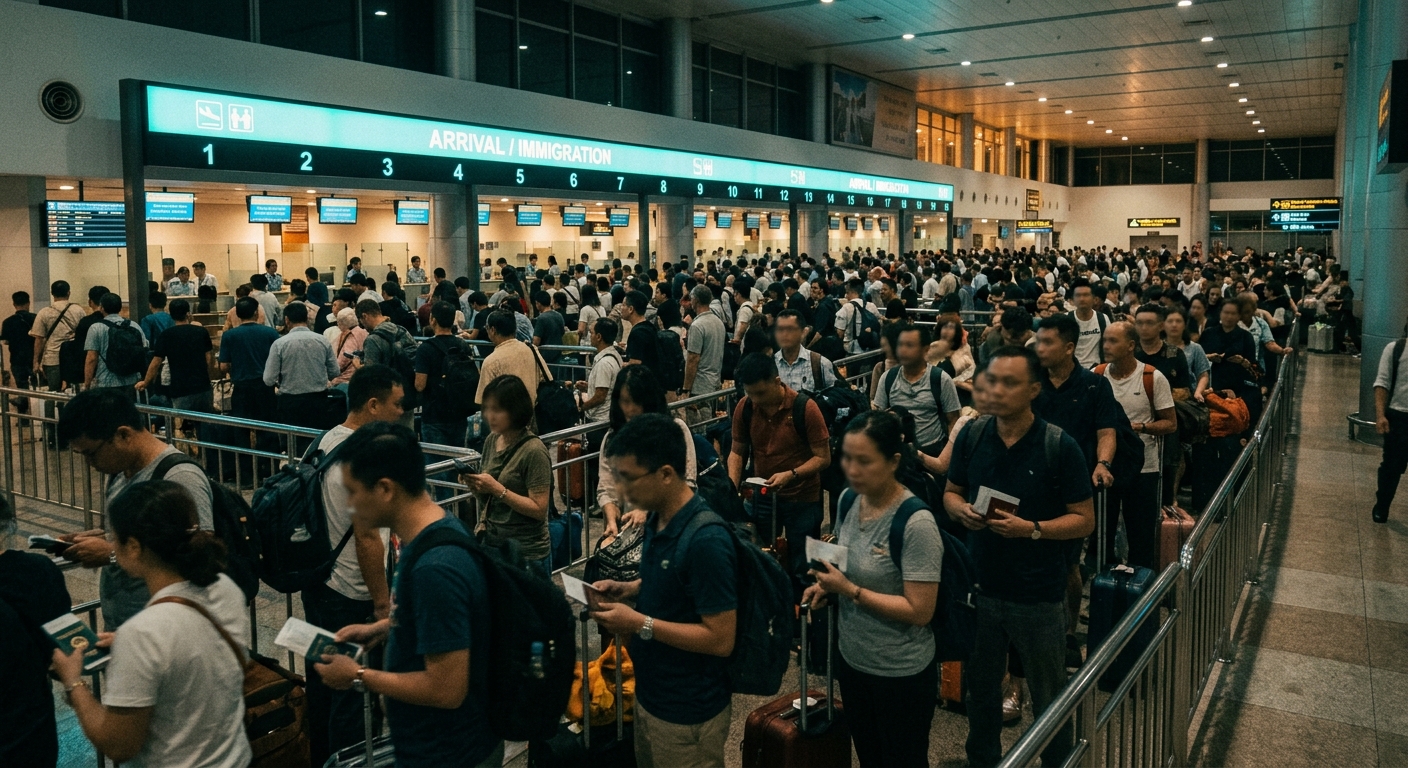
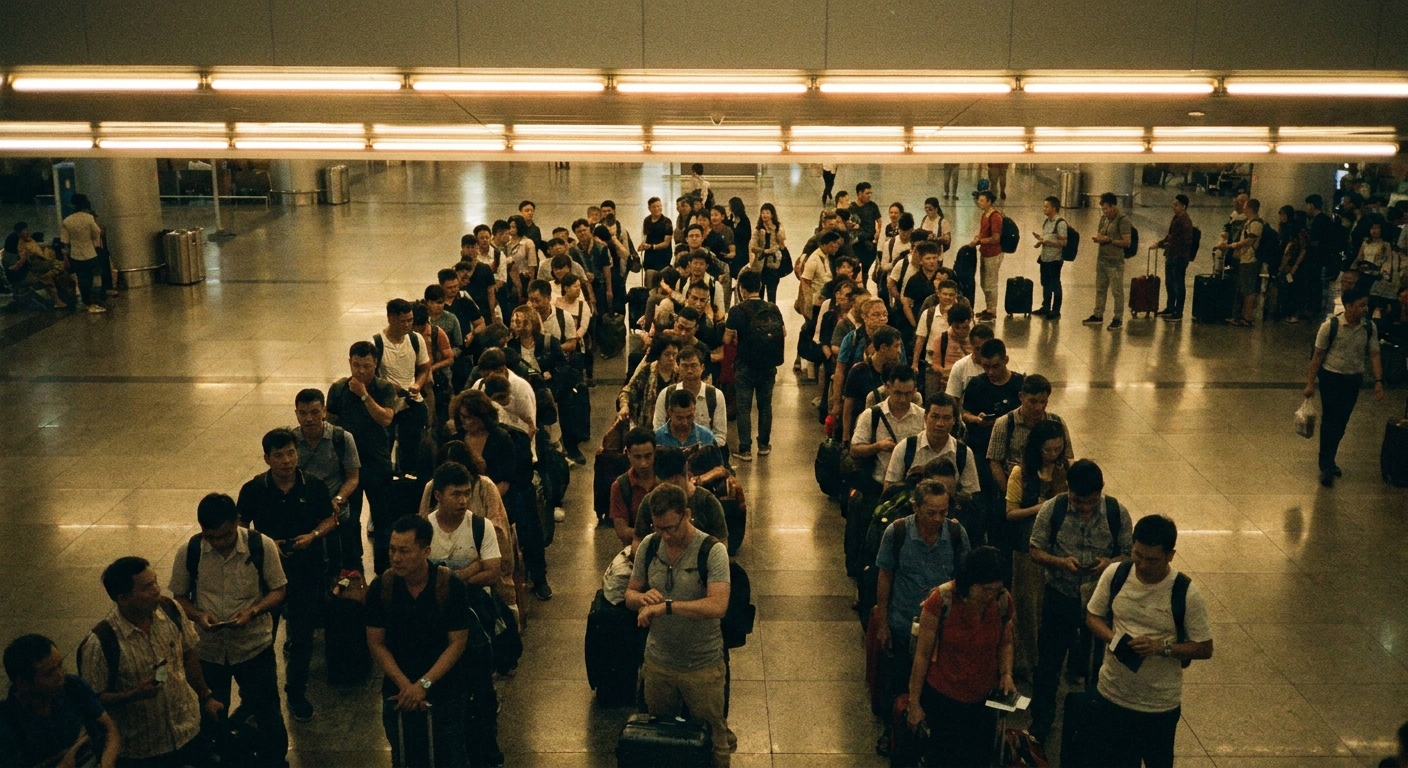
Visa-on-Arrival (VOA) was once the gold standard for independent travelers, but the system has evolved into something far more rigid. To use VOA, you must already hold an official approval letter issued by the Vietnam Immigration Department. If you don’t have that document sitting in your inbox right now, the standard VOA channel is already closed to you. Even with the letter, the reality of the process involves landing at Tan Son Nhat or Noi Bai, trudging to a designated desk, and joining a queue that can swell to fifty people deep during peak hours. You will need to present your passport, two passport-sized photos, the printed approval letter, and the stamping fee in crisp, untarnished USD. If your photos are the wrong size or you lack the exact change, you are looking at a delay that might force you to miss your next shuttle or hotel check-in.
The Reality of Airport Queues and Administrative Hurdles
The VOA desk is not a place for the faint of heart. While it works for those with time to spare, the bottleneck is real. Immigration officers work at their own pace, and when three wide-body aircraft land simultaneously, the processing area becomes a hot, cramped pressure cooker. There is no such thing as “expedited” once you are physically standing in the arrivals hall. If the system flags your application for manual review, you are not moving until the supervisor finishes their coffee or cross-checks a database that may or may not be experiencing technical issues. This is where the vietnam visa urgent vs voa debate shifts from a logistical query to a survival strategy.
An urgent Vietnam visa channel operates on a completely different frequency. Instead of relying on the standard entry protocols that require days of processing, these specialized services communicate directly with immigration authorities to flag your application for immediate review. When you are in a genuine emergency—a missed flight, a last-minute business trip, or a forgotten application—this is the only path that provides a guaranteed turnaround. You aren’t just paying for paperwork; you are paying for the priority access that moves your file to the top of the stack at the Immigration Department headquarters. While the standard VOA route assumes you have planned ahead, the urgent route is built specifically for the chaos of modern travel.
If you are deciding between these two paths at midnight, look at your current documentation. If you have nothing, the urgent channel is your only viable path forward. If you have an approval letter but are worried about the processing time or the physical queue, here is what you need to consider:
- The current time relative to your flight’s estimated landing in Vietnam.
- The exact status of your approval letter (is it in your email or is the application still unsubmitted?).
- Whether you have the required physical documents, such as two-inch by two-inch photos, printed and ready.
- The availability of a VIP meet-and-greet service at your destination airport to escort you through the crowd.
The urgent vietnam visa airport experience is essentially the inverse of the standard VOA experience. Instead of walking into the arrivals hall and hoping for the best, you are met by a representative who handles the submission while you wait in a lounge or proceed through a dedicated priority line. By opting for a specialized service, you shift the burden from yourself to a local agent who understands the internal nuances of the immigration office. This is rarely about saving a few dollars; it is about the difference between walking out of the terminal and being turned away at the gate because you could not secure entry clearance in time.
Comparing visa on arrival vietnam comparison logic requires an honest look at the risk-to-reward ratio. VOA is cost-effective but volatile; it assumes the immigration hall will be empty and your paperwork will be perfect. The urgent channel is an investment in certainty. When the clock is ticking and your entire itinerary is on the line, the cost of the expedited service is negligible compared to the price of a cancelled flight or a ruined vacation. Travelers who reach their destination without a hitch rarely think about these systems, but for those who find themselves in a bind, the choice of how to handle the entry process determines whether the trip begins at the arrival gate or ends at the ticket counter.