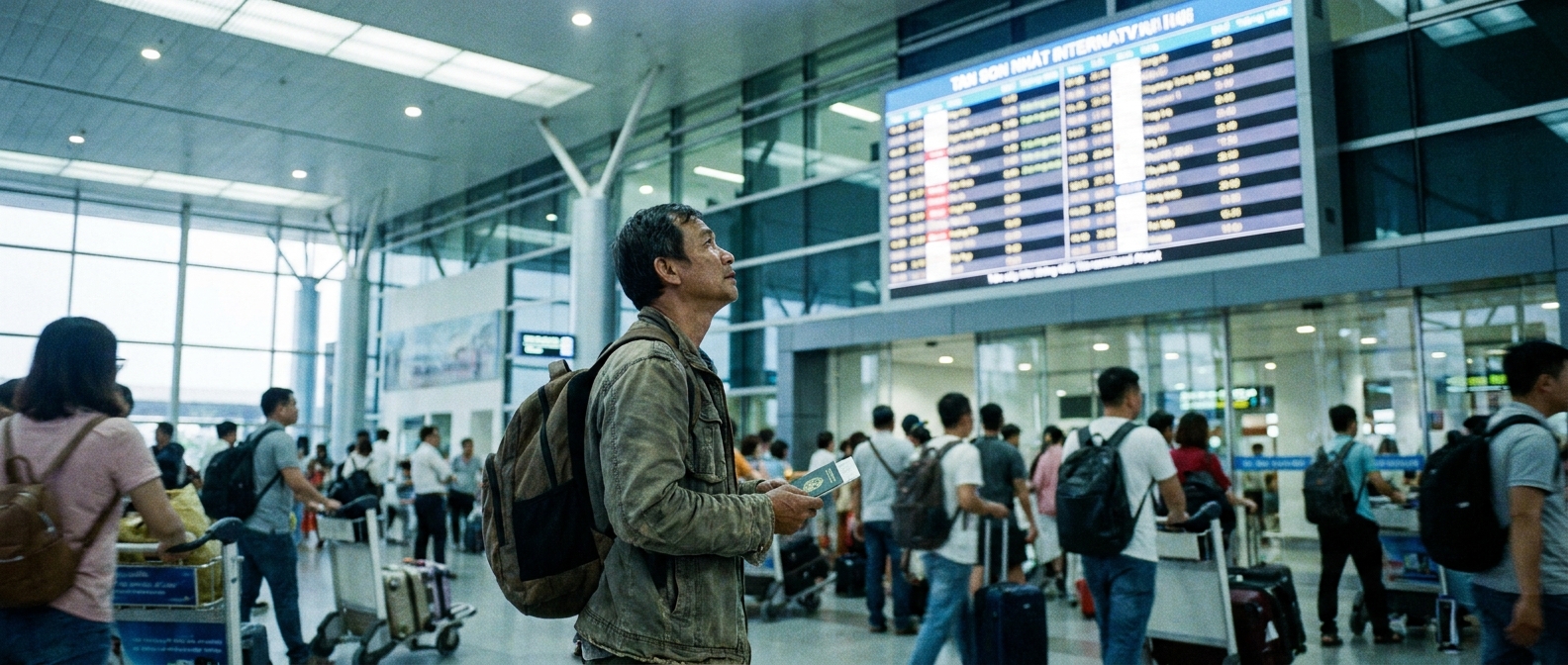
The gate agent at the check-in counter is staring at your passport, tapping a rhythmic, anxiety-inducing beat against the desk. You’ve realized your Vietnam visa isn’t in your inbox, and your flight leaves in less than eight hours. It is a specific kind of travel panic that turns the hum of an airport terminal into a deafening roar. While the official government portals often project a steady, bureaucratic rhythm, the reality of global travel requires a different gear entirely. If you find yourself staring down a departure board with no entry permission in hand, the most important thing to understand is that the digital bureaucracy of Vietnam has shifted, and your options are narrower—but more precise—than they used to be.
The first distinction you must internalize is the difference between an e-visa and a pre-approved visa letter. The standard e-visa, the one processed through the official immigration portal, is a fixed timeline. It usually demands three working days, and it is largely immune to external pressure. If you are applying for a standard e-visa, hoping it will somehow land in your inbox in six hours, you are setting yourself up for a missed connection. These systems are automated and rigid. However, for those in a genuine bind, private processing services can facilitate an urgent Vietnam visa, which operates through a different channel that allows for significantly faster turnarounds than the public-facing government site.
Understanding the Mechanics of Expedited Processing
When you hear talk of a vietnam visa 24 hours turnaround, it is rarely a matter of a single clerk manually typing your name into a database the moment you pay. Instead, it is about accessing priority queues that are monitored by agents on the ground in Vietnam. These agencies have established protocols with the Immigration Department that permit them to flag applications for immediate review. When you pay for an expedited service, you are effectively paying for the human effort required to usher your application to the front of that queue. It is a bridge between the digital application and the physical reality of human oversight.
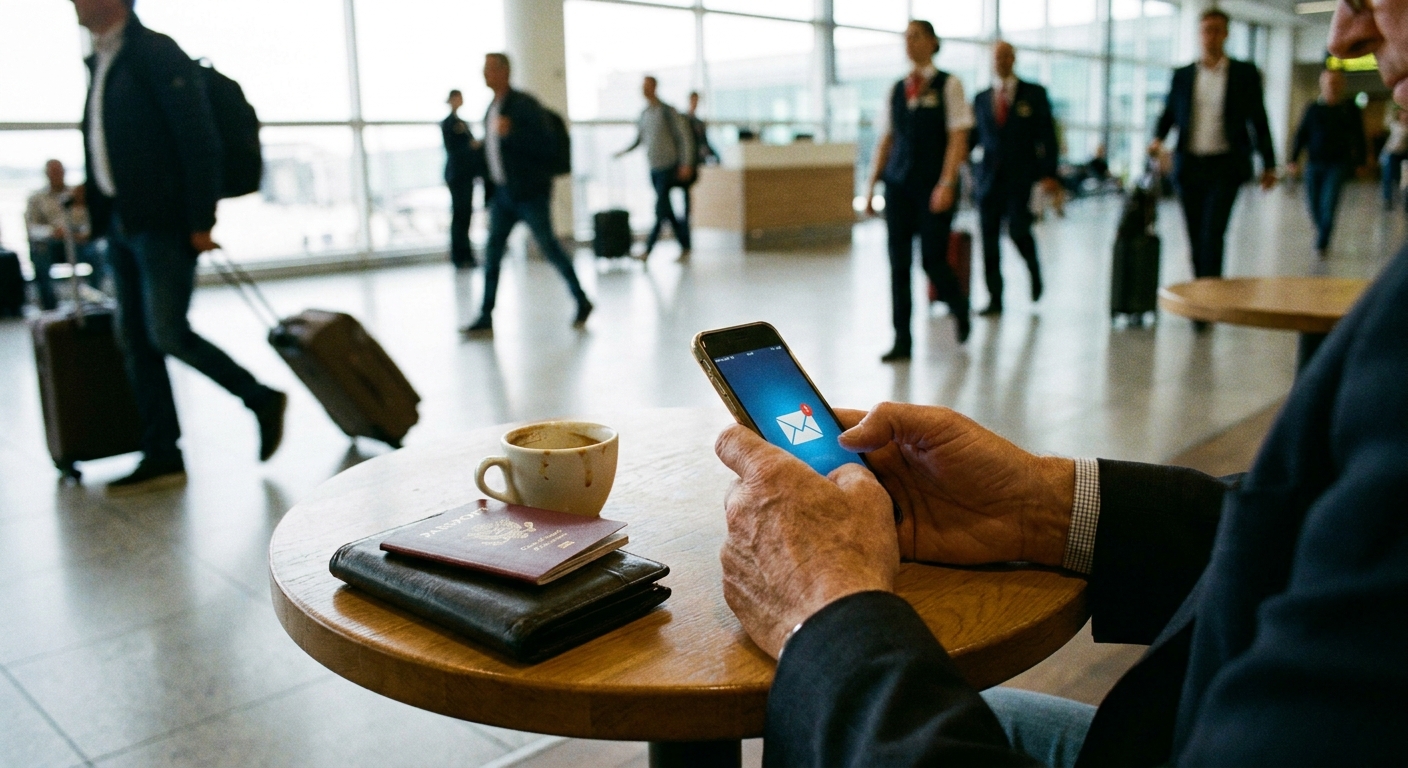
It is crucial to be honest about what “same-day” actually means. If you submit your request at 4:00 PM on a Friday, you are working against the clock of a government office that closes for the weekend. Even with an expedited service, there are hard limits dictated by time zones and working hours. A true same-day approval is most viable when your request is submitted early in the morning, Vietnam time. If you are catching a flight tonight, you need to ensure your documentation—a clear scan of your passport and a high-resolution portrait—is uploaded instantly. Hesitation or poor-quality photos are the most common reasons for rejection, and a rejection effectively kills your chances of making your flight.
There are a few logistical hedges you can put in place to ensure that your arrival goes as smoothly as possible, even when your initial departure was anything but:

- Ensure your passport has at least six months of validity remaining from the date you land, as no expedited service can override this baseline requirement.
- Keep a printed copy of your approval letter once it arrives, as digital glitches at immigration checkpoints are real.
- Check the fine print of your airline’s policy, as some carriers require proof of a return or onward flight before they will allow you to board without a visa in hand.
- Verify your entry port, as some urgent visas are restricted to specific international airports.
If you are pursuing a vietnam e-visa same day scenario, you must realize that you are operating on the edge of the system’s capabilities. There is no way to “force” a computer to process a file faster than its code allows. When you opt for a service that promises this level of speed, you are acknowledging that the process relies on a combination of professional facilitation and a bit of luck regarding current immigration volume. If the system is experiencing a surge in applications, even the best expedited service may hit a wall. Always check your spam folder periodically during those last few hours, as the stress of the situation often leads travelers to overlook the very email that contains their travel document.
Most travelers find that once the approval letter is in their hand, the internal tension dissipates immediately. The immigration officer at Tan Son Nhat or Noi Bai does not care how much sweat you lost or how many times you refreshed your email during your layover; they only care that the document matches your passport exactly. Ensure that every character of your name and every digit of your passport number is perfect. Even a minor typo can be flagged, causing unnecessary delays at the arrival desk. When the system works, it feels like a miracle of modern connectivity, but it is actually just the result of a very deliberate, human-assisted process. Once you have cleared immigration and stepped out into the humid, welcoming air of Vietnam, the panic of the departure lounge becomes nothing more than a travel story.