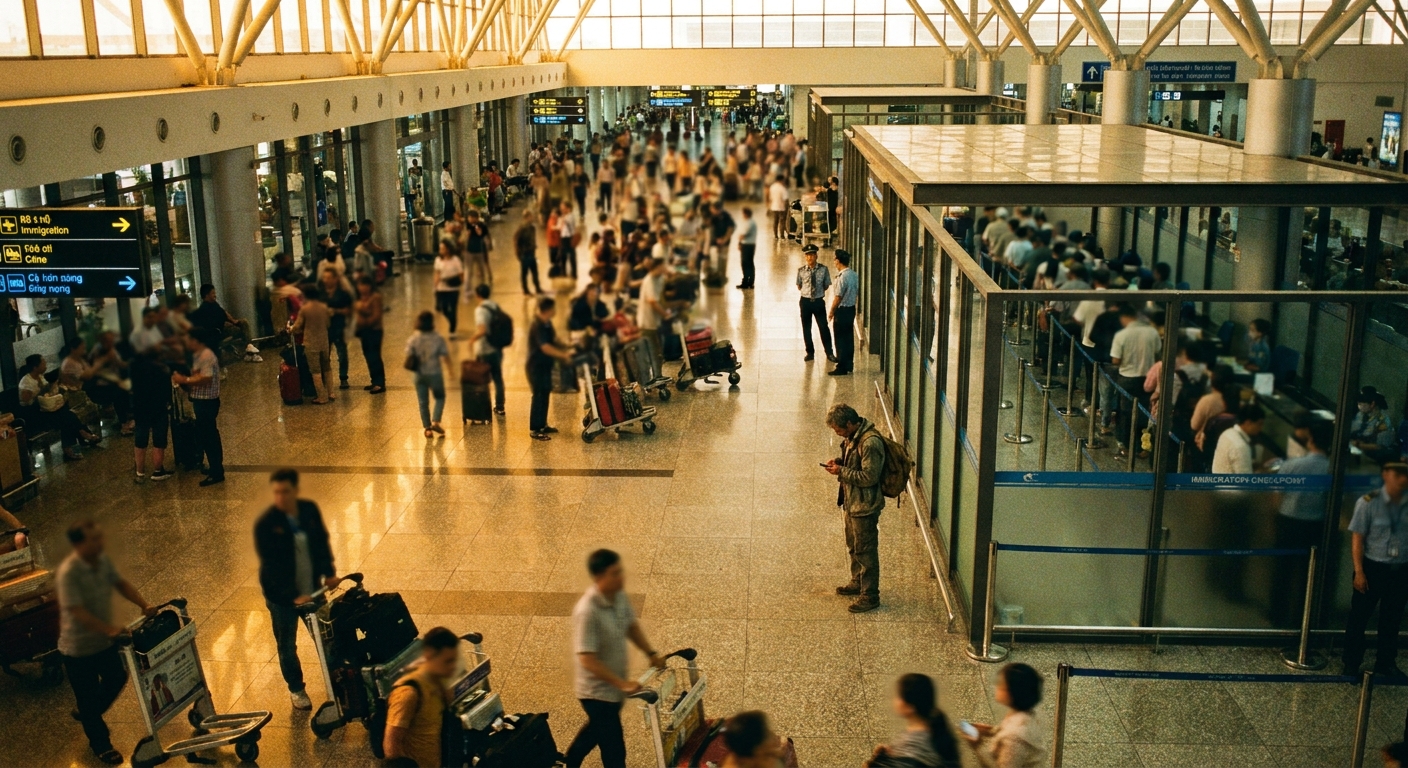
The departure board at the airport flickers, and your heart sinks. You have a boarding pass, a packed suitcase, and a hotel waiting in Hanoi, but the vital piece of paper—the Vietnam visa approval letter—is stuck in a digital holding pattern. While the promise of an urgent Vietnam visa same day is a lifeline for thousands of travelers, it is not a magic spell. It is a bureaucratic process subject to the scrutiny of the Vietnamese Immigration Department, and occasionally, that process hits a snag that even the most efficient agency cannot bypass in a few hours.
Most travelers receive their approvals within the expected window, but when a delay occurs, it is rarely due to a system glitch. Instead, it is usually because the application hit a tripwire in the immigration database. When you submit your details for an expedited request, the system runs an automated background check. If your passport data has a minor mismatch—perhaps a digit off in your passport number or a typo in your date of birth that doesn’t perfectly align with your machine-readable zone—the application is immediately pulled for manual review. This human intervention is where the clock stops, and your same-day hope suddenly stretches into a 24- or 48-hour nightmare.
When Background Checks and Data Gaps Trigger Scrutiny
Beyond simple typos, your travel history and personal profile can inadvertently trigger a manual review. If you have visited Vietnam multiple times in a short period, or if your prior exit dates are not clearly documented in the system, the immigration officers may pause the request to ensure your travel patterns fall within legal parameters. Certain occupations, particularly those in journalism, NGOs, or sensitive political research, are also flagged more frequently. It isn’t that you are denied entry; it is simply that the computer system is programmed to verify these specific profiles before issuing the digital permit. When this happens, your Vietnam visa urgent delay is not a sign of poor service, but rather a reflection of rigorous, mandatory national security protocols.

The frequency of these slips is statistically low, but for the individual traveler, it feels like a total failure of the system. The reality is that immigration departments worldwide prioritize security over the urgency of a tourist’s flight schedule. If you are applying for a last-minute approval, you must understand that you are at the mercy of a government workflow that does not operate on an “express” priority list. If an application is flagged at 3:00 PM on a Friday, the reality of the weekend, combined with the volume of requests, can easily push a resolution into the following week.
Mitigating this risk is less about finding a faster agency and more about building a safety net around your itinerary. Experienced travelers know that if they are pushing the limits of time, they need to create a buffer. Here are a few ways to structure your trip to withstand a potential delay:
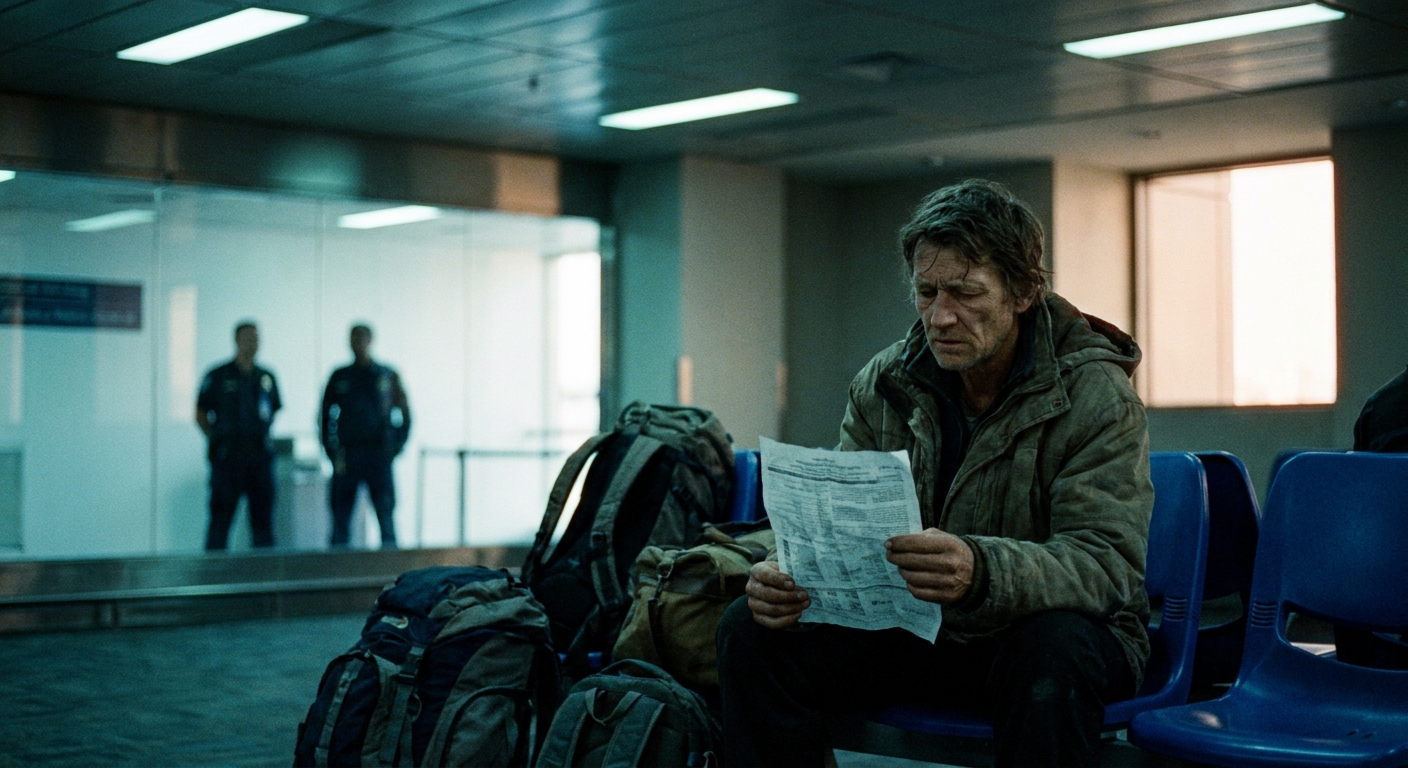
- Book a refundable or flexible flight that allows for a 24-hour change without exorbitant fees.
- Ensure your hotel booking specifically mentions your arrival date and allows for late check-in, keeping the room held if your flight is delayed.
- Carry digital copies of all your documentation, including a color scan of your passport, to provide immediate verification if the immigration office queries your details.
- Avoid using a work email address if your occupation is sensitive; use a standard personal email to avoid triggering unnecessary security filters.
If you find yourself in the middle of a vietnam e-visa rush slip, the worst thing you can do is submit duplicate applications. This creates a conflict in the database and forces immigration officers to cancel all existing requests to verify which one is authentic, effectively resetting the processing timer to zero. Keep your cool and stay in communication with your processing agent, as they can usually monitor the specific status codes issued by the immigration portal.
Ultimately, the goal of an expedited visa service is to compress the waiting time, but it cannot override the underlying necessity of government approval. If you are traveling on a razor-thin margin, your best defense is acknowledging that the system has limits. By having a flexible itinerary, you remove the catastrophic weight from the wait. You transform a potential ruined vacation into a minor logistical adjustment. The visa will arrive, and you will eventually walk through the arrivals hall at Tan Son Nhat or Noi Bai, but having a contingency plan means you aren’t standing at the airline check-in counter wondering if your entire trip is evaporating while you wait for a green light from an office in Hanoi.