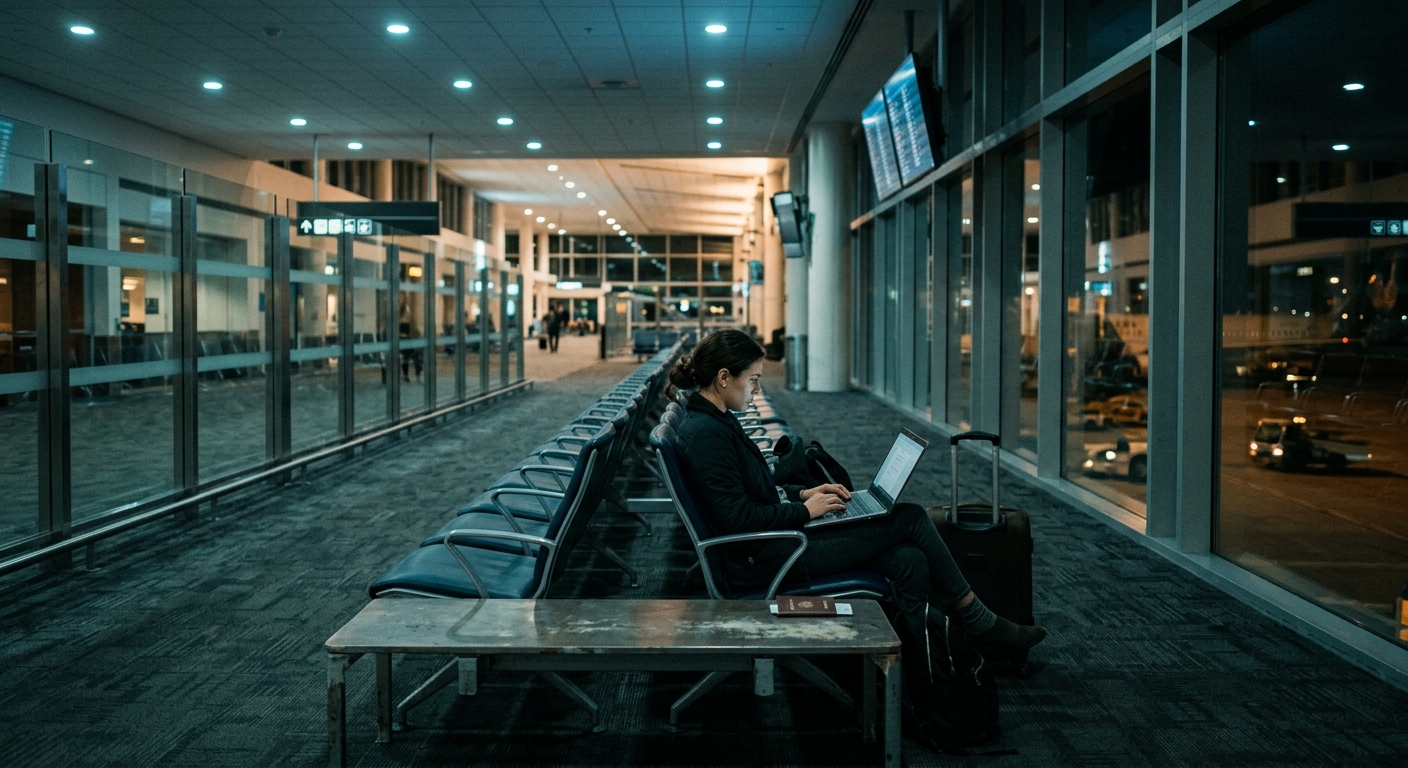
The air conditioning at Hamad International Airport is deceptively cold when you have been awake for twenty hours and just watched your boarding pass for the Hanoi connection be denied by an automated gate. A simple delay in London had cascaded into a missed flight, and as the airline representative slid my passport back across the marble desk, the reality of my predicament set in. My onward leg to Vietnam was scheduled for 14 hours from now, but my e-visa application, submitted through the standard government portal four days ago, was still sitting in a “processing” limbo. Vietnam does not offer visa-on-arrival for every traveler without prior paperwork, and the airline ground staff were clear: no valid visa document meant no boarding pass, regardless of how much I pleaded that it was “coming soon.”
Ask online, we answer right awayType your question on this page. No app to install, no number to save.Ask onlineIf you are still choosing a speed, start with the complete 2026 fast-track guide.
Standing in the transit lounge, I realized that the standard e-visa route is built for the prepared, not for the traveler whose itinerary is currently disintegrating. The airline desk staff can rebook your flight, find you a meal voucher, or even provide a transit hotel, but they are strictly prohibited from bypassing border control regulations. They need to see a digital confirmation that is recognized by the immigration system. When you are stuck in a transit zone with an expiring timeline, you stop looking for government portals and start looking for a lifeline. This is where the vietnam visa urgent channel becomes the only viable exit strategy for a trip that is otherwise finished before it starts.
The Mechanics of an Emergency Visa Override
Triggering an urgent request while sitting on a bench in Doha requires a complete change in strategy. You have to stop refreshing the official government site and accept that you need a third-party service provider who operates on a direct, human-to-human basis with the immigration department. The core difference is the approval letter. While a standard e-visa is a beautiful, self-contained PDF, the document that gets you on the plane in an emergency is often an approval letter issued by the Vietnam Immigration Department. This letter acts as a legal authorization for the airline to allow you to board, confirming that your entry has been pre-approved at the highest level.
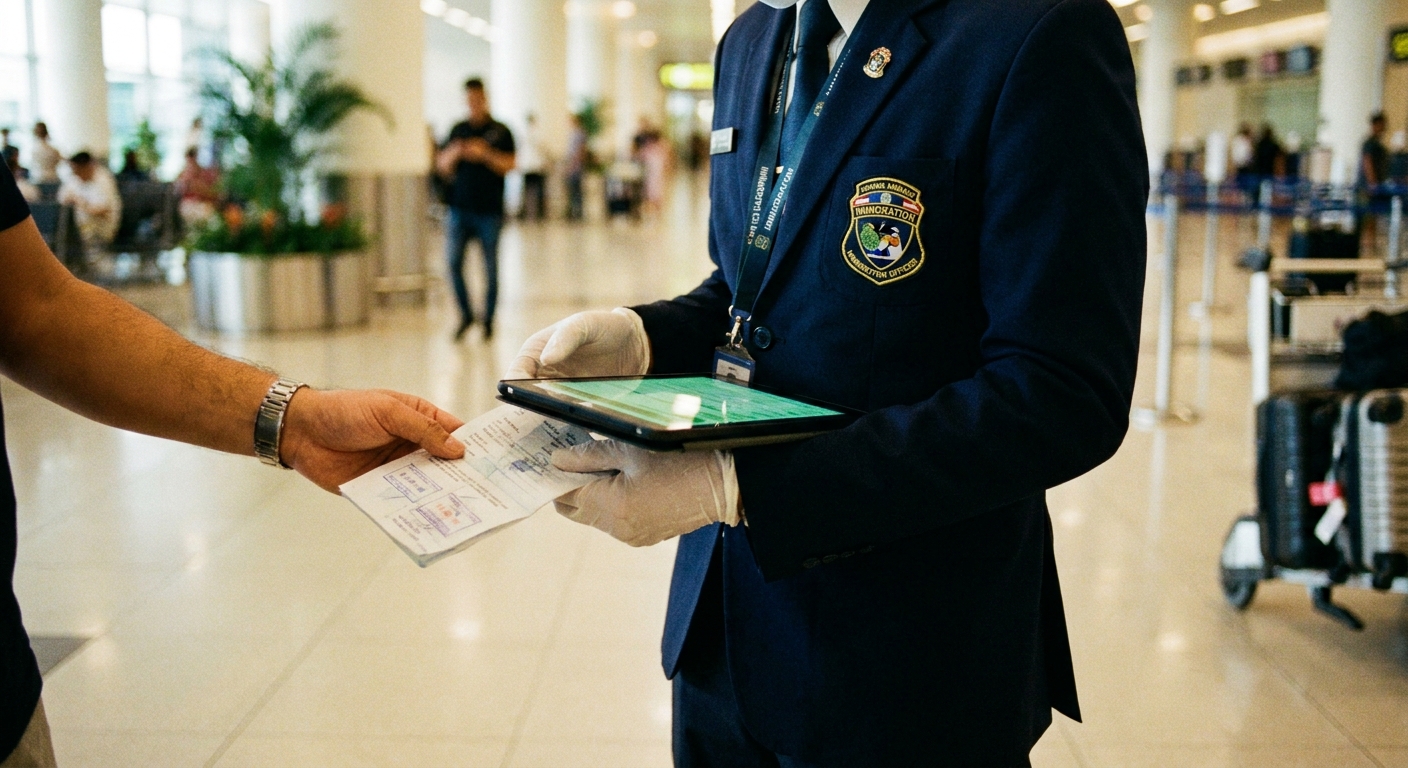
My situation required a same-day turnaround. I chose an agency that specialized in urgent vietnam visa missed connection scenarios, providing them with my flight details, passport scan, and the specific reason for the haste. Because I was already in transit, the agency understood that I didn’t have the luxury of waiting the usual three business days. They initiated the expedited processing immediately. This isn’t magic; it is a paid administrative service that uses established, vetted channels to push specific files to the front of the queue. Within six hours, a notification pinged on my phone. It wasn’t the standard e-visa, but an official letterhead from the Vietnam Immigration Department verifying that my entry was authorized.
When I returned to the airline desk, the ground staff didn’t care about the website I had used or the fee I had paid. They only cared that the document matched their verification database. When they scanned the barcode on my approval letter, the red “Denied” screen finally flickered into a green “Clearance Confirmed.” It was the most satisfying sound of my traveling life. I had been worried that the document might be rejected because it wasn’t the traditional e-visa, but the reality is that immigration systems care about the authorization code, not the aesthetic of the paper it is printed on.

Dealing with a doha hanoi visa emergency taught me that travel resilience is often about knowing when to pivot from “official” channels to “expedited” ones. There are several things to keep in mind when your travel plans hit this kind of structural wall:
- Always carry a clear, high-resolution scan of your passport on your phone, not just a photo of the physical book.
- Accept that expedited services carry a significant premium; you are paying for the human intervention and the immediate priority status.
- Check the validity of your visa start date carefully, as an approval for the wrong day can be just as useless as no visa at all.
- Keep your documentation saved in an offline, easily accessible location, because airport Wi-Fi is often the first thing to fail when you are stressed.
The lesson of the missed connection isn’t just about the money lost or the stress endured. It is the realization that borders are digital constructs that can be manipulated if you know the right levers to pull. The 14-hour window I had in Doha felt like an eternity, but it was just enough time for the bureaucratic machinery to acknowledge my request and grant me passage. As I eventually walked onto the plane, I looked at the travelers in the boarding line and wondered how many of them were one missed connection away from the same digital panic. Having the right documents is the first rule of travel, but knowing how to replace them when they fail is the second.
Walking through the arrival hall at Noi Bai International Airport the next morning, the exhaustion of the ordeal finally faded. The immigration officer barely looked up as he stamped my passport, matching my face to the scan he had on his monitor. He didn’t know about the frantic emails sent from a departure gate in Qatar, or the anxiety of the urgent vietnam visa process that had paved the way for this moment. To him, I was just another arrival, and that was the ultimate success. I walked out into the humid Hanoi morning, bag in hand, with the entire itinerary back on track and the transit chaos behind me.