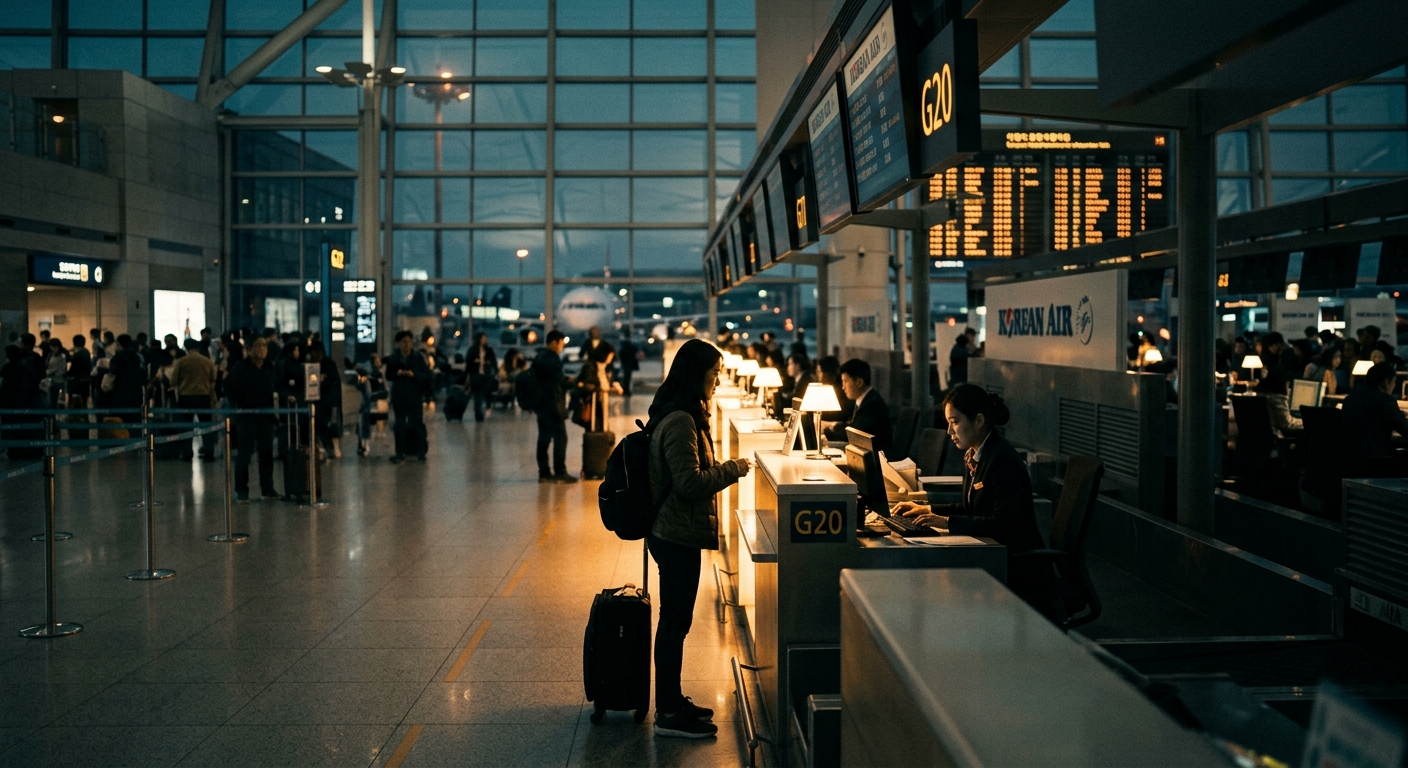
The departure board at the airport turns a hostile shade of red, and your flight to Hanoi is already boarding, but your inbox remains empty. There is no approval letter, no digital scan of a stamp, and the reality of a missed-flight recovery starts to sink in. This isn’t just a minor travel inconvenience; it is a logistical puzzle that requires immediate intervention. When a vietnam visa urgent application misses the anticipated delivery window, the ensuing scramble isn’t just about waiting for an email—it is about managing a fragile chain of travel dependencies that begins to collapse the moment your gate closes.
Most travelers don’t realize that airline reservation systems are far more fluid than the booking engines you see on travel aggregator sites. When you are staring down a missed connection due to a pending visa, a high-quality service provider doesn’t just watch the clock. They act as a bridge between the immigration department’s backlog and the airline’s yield management department. Because we track the pulse of current processing times, we often know if a government delay is systemic or individual long before you receive a notification. If the visa looks like it will miss your flight, the immediate priority shifts from “getting the document” to “protecting the fare.”
Managing the Airline Interface During Visa Delays
When you use an agency that understands the mechanics of an urgent vietnam visa airline conflict, you are tapping into a specialized support layer. We don’t just provide the paperwork; we understand how to talk to the desk agents or the booking desks at the carriers you are flying. We can communicate specific document status updates to airline representatives who might otherwise deny boarding based on the lack of an entry permit. In many cases, we can verify that a visa is in the final stages of the government queue, which occasionally allows an airline to hold your boarding pass or keep your booking open for a crucial few extra hours while the final approval clears.

A sophisticated travel coordinator knows that once you realize you won’t make the flight, you must act before the plane actually takes off. If you are a “no-show,” the airline might cancel the entire remainder of your itinerary, including your return flight. This is why we often instruct travelers to reach out the moment a delay seems inevitable. We have worked with airlines that allow for a temporary hold on fare classes for up to four hours—the “grace period” that gives us just enough time to push for a same-day approval or verify that your vietnam e-visa flight delay won’t result in a total forfeiture of your seat. This coordination is the difference between paying a small change fee and purchasing a completely new, full-price ticket at the last minute.
The mechanics of rebooking a ticket around a late visa involve a specific hierarchy of communication. If you find yourself in this situation, keep these three priorities in mind to save your itinerary:
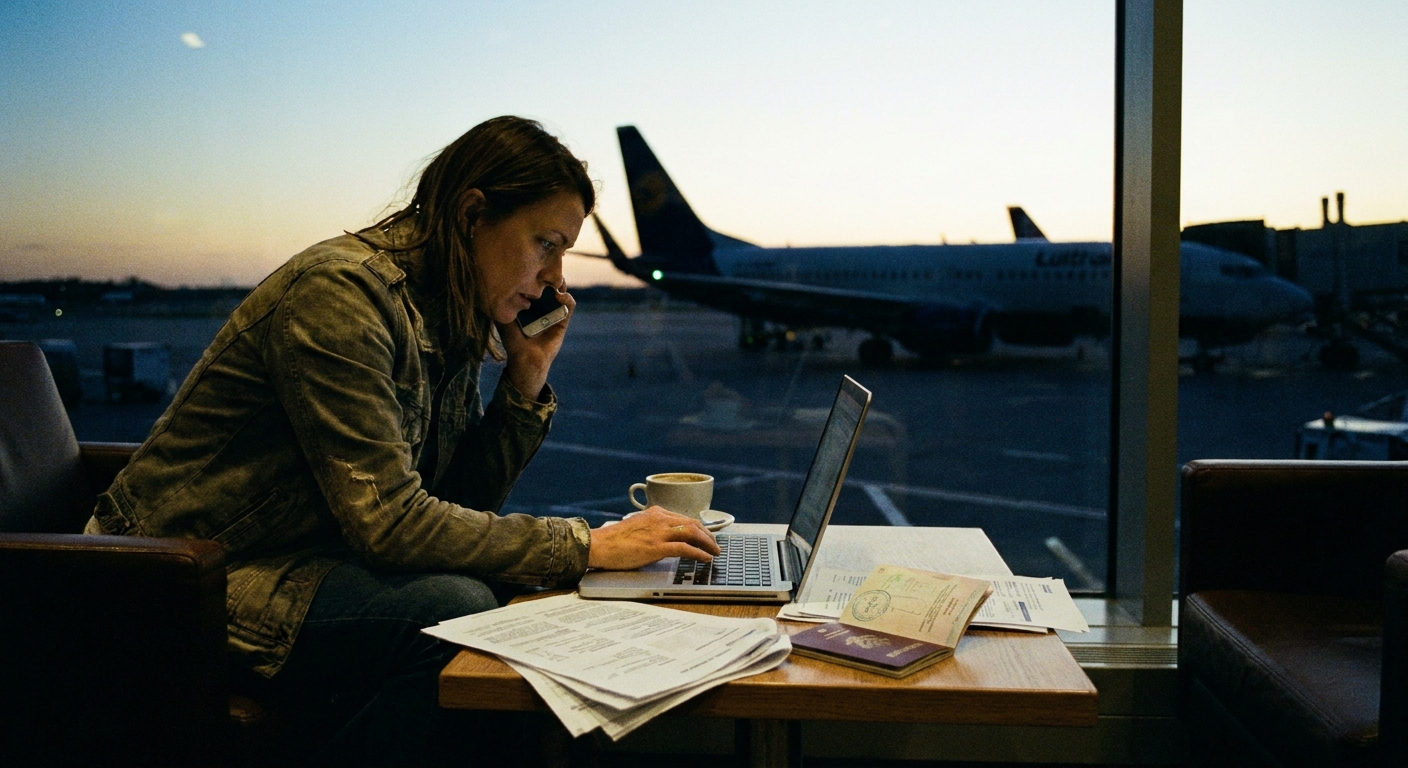
- Contact the airline directly to request a status hold based on a “pending document” to avoid a total booking cancellation.
- Ask your visa provider to confirm the specific application ID number so you can provide it as evidence of active immigration status.
- Avoid rebooking the next flight until you have a hard confirmation from the visa office, as changing flights prematurely can lead to double-change fees.
The stress of an urgent vietnam visa delay often stems from the isolation travelers feel when they are standing at a check-in counter alone. When you are backed by an agency that operates in the space of crisis management, you have someone to act as a liaison. If the visa arrives while you are standing at the desk, we can instantly forward the document to the airline’s ground staff email address, circumventing the need for a physical printout if the specific airport allows digital verification. This happens more often than most realize, and having a representative who can confirm the document’s legitimacy to an airline manager is what effectively keeps the trip alive.
Ultimately, the objective is to stay within the existing travel plan rather than dismantling it entirely. Airlines want to fill seats, and they are generally willing to assist if they are presented with a clear, documented path to a resolution rather than a vague request for a favor. A flight is rarely truly lost until the cabin door is closed and the aircraft pushes back. Until that moment, there is a technical window to salvage your entry, provided you have the right support feeding you information from both the immigration side and the flight operations desk. Maintaining your cool while the agency manages the logistics is usually the most productive thing you can do.