If your Vietnam E-visa is delayed beyond the standard three working days, check your application status on the official immigration portal using your registration code, email, and date of birth. If the status remains pending, contact the official immigration support email or visit the nearest Vietnamese embassy for manual verification.
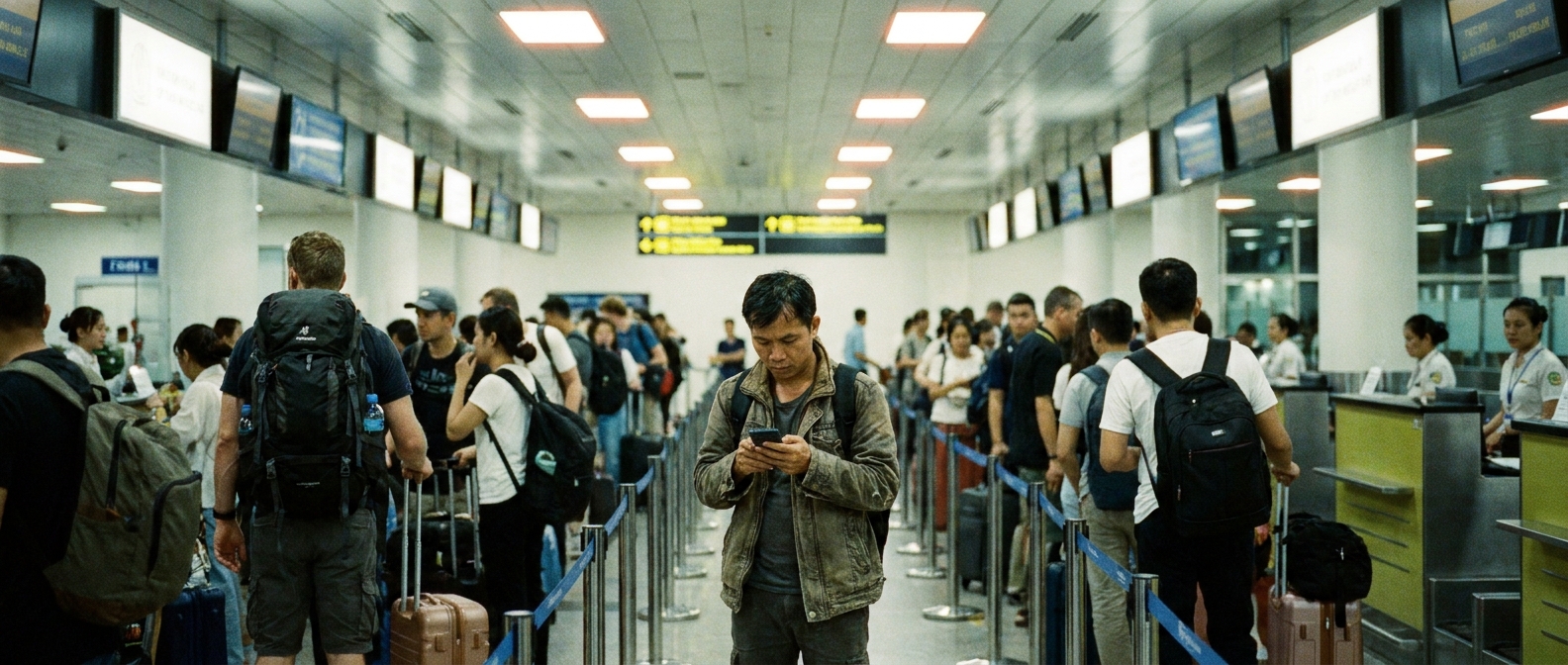
Processing times for Vietnam E-visas officially hover around three working days, but in 2026, many applicants experience fluctuations based on seasonal demand and document accuracy. When an application stalls, it is often due to minor discrepancies in uploaded images or incorrect passport details that require manual review by immigration officers. These officers must physically verify the data against national security databases, which can occasionally lead to backlogs during peak travel months like the Lunar New Year or summer vacation periods.
If you find yourself waiting past the expected window, the first step is to verify that your application was submitted through the official government portal rather than a third-party site. Third-party sites often act as intermediaries, which adds an extra layer of processing time before your data even reaches the immigration department. Once you confirm your status on the official site, look for any notifications requesting additional information. Sometimes, a blurry scan of your passport or a portrait photo that does not meet the strict white-background requirements will pause the entire cycle until you provide a corrected version.
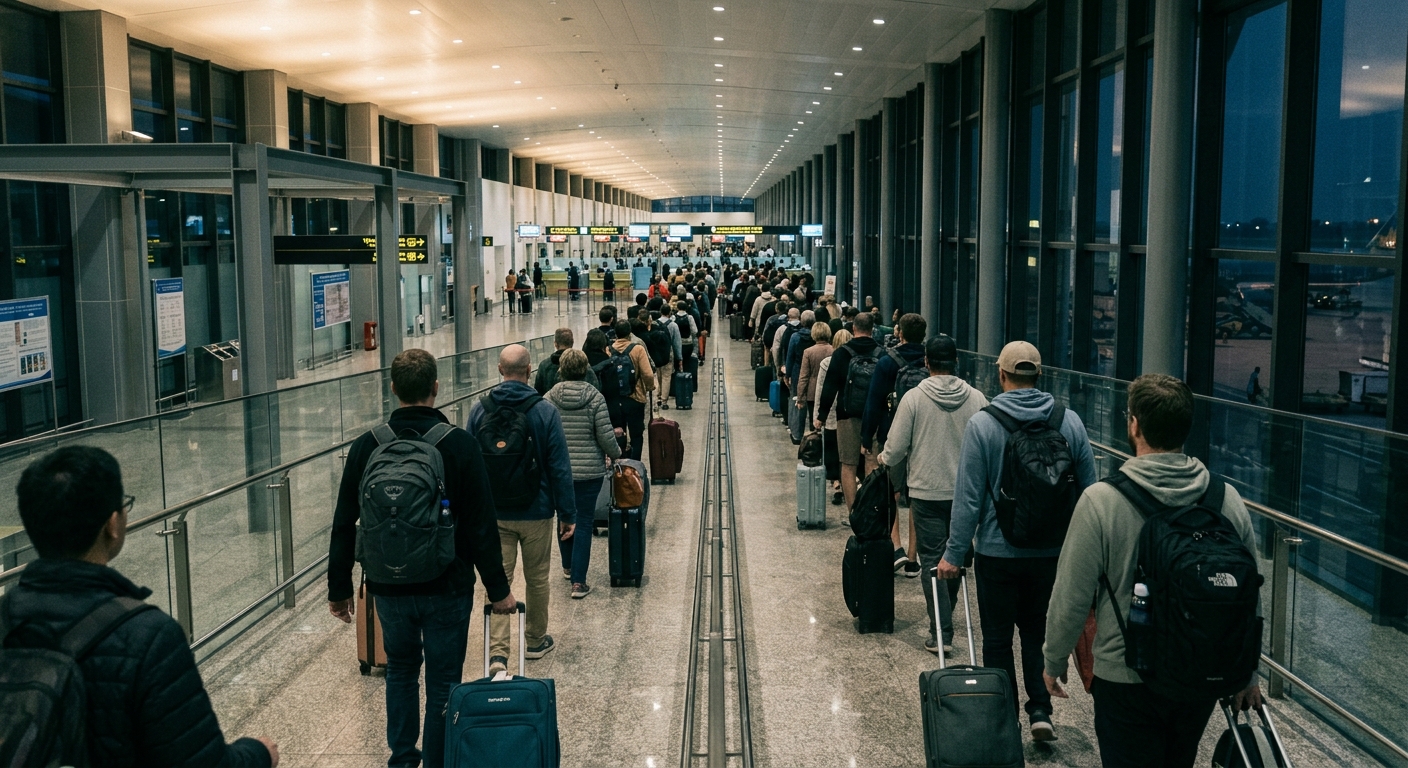
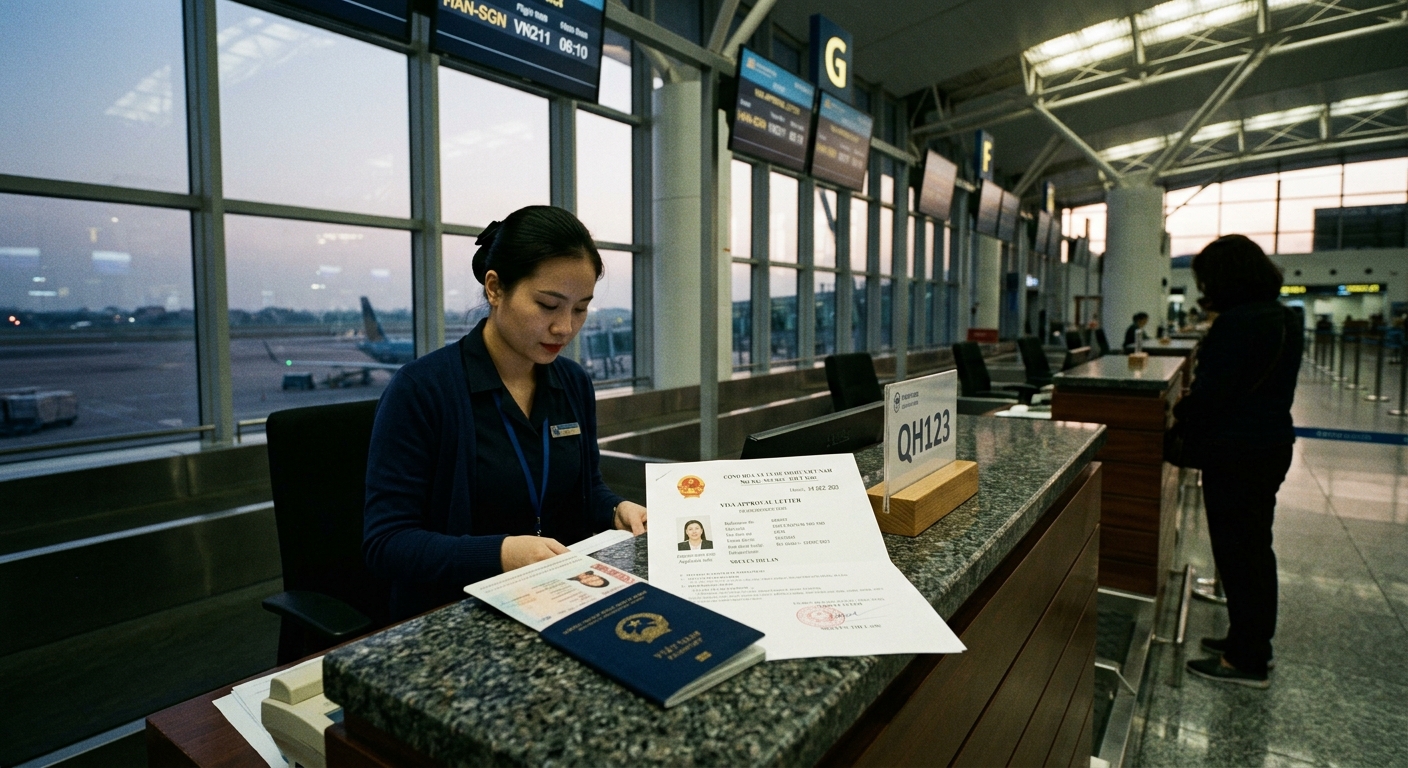
For those whose travel date is imminent and the status remains unchanged, reaching out to the immigration department via their official contact channels is the only formal recourse. You should provide your registration code and explain the urgency of your travel. In some instances, if you are already at an airport or border crossing, you may be required to show proof of your application status, though this rarely guarantees entry without a finalized visa document. It is worth noting that immigration authorities in 2026 have become more stringent regarding photo quality and data consistency, so ensuring your initial submission is flawless is the best way to prevent these technical delays.
If the delay persists for more than seven business days without any status update, it is possible that your application has been flagged for further security vetting. This is a standard procedure for certain nationalities or those with specific travel histories. While frustrating, there is no way to bypass this internal security check. Patience is necessary, as attempting to submit a new application while one is already pending often leads to automatic rejection by the system due to duplicate entry errors. Focus on maintaining communication with the immigration office and keeping your travel documents organized while awaiting the final decision.
Frequently asked questions
What to do if a Vietnam E-visa is delayed?
Check your application status on the official portal using your registration code and personal details. If the status remains pending beyond the standard processing window, look for notifications requesting corrected documents. If no updates appear, contact the immigration department directly via their official email to inquire about your specific application status.
What if a Vietnam E-visa gets rejected?
If your application is rejected, the immigration department usually provides a reason for the denial. Review this feedback carefully, as it often relates to incorrect passport data or poor-quality photos. You can typically submit a new application after correcting the identified errors, ensuring all information matches your passport exactly to avoid a second refusal.
Can I expedite my eVisa for Vietnam?
There is no official government-sanctioned expedited service for the standard Vietnam E-visa. While some private agencies claim to speed up the process, they simply prioritize your application within their own queue before submitting it to the immigration portal. Once the application is with the government, it follows the standard processing timeline regardless of the submission method.
Is it easy to get a Vietnam E-visa?
Getting a Vietnam E-visa is straightforward if you follow the technical requirements precisely. The process involves filling out an online form, uploading a clear portrait photo, and providing a scan of your passport data page. Most applicants receive their visa within three days, provided the information submitted is accurate and matches the official documentation.
How to get a Vietnam E-visa faster?
To ensure your application is processed as quickly as possible, upload high-resolution images that meet all government specifications, particularly the white-background photo requirement. Double-check every field for typos, as even a single digit error in your passport number will trigger an automatic delay. Submitting your application at least two weeks before your flight is the best way to account for potential processing times.