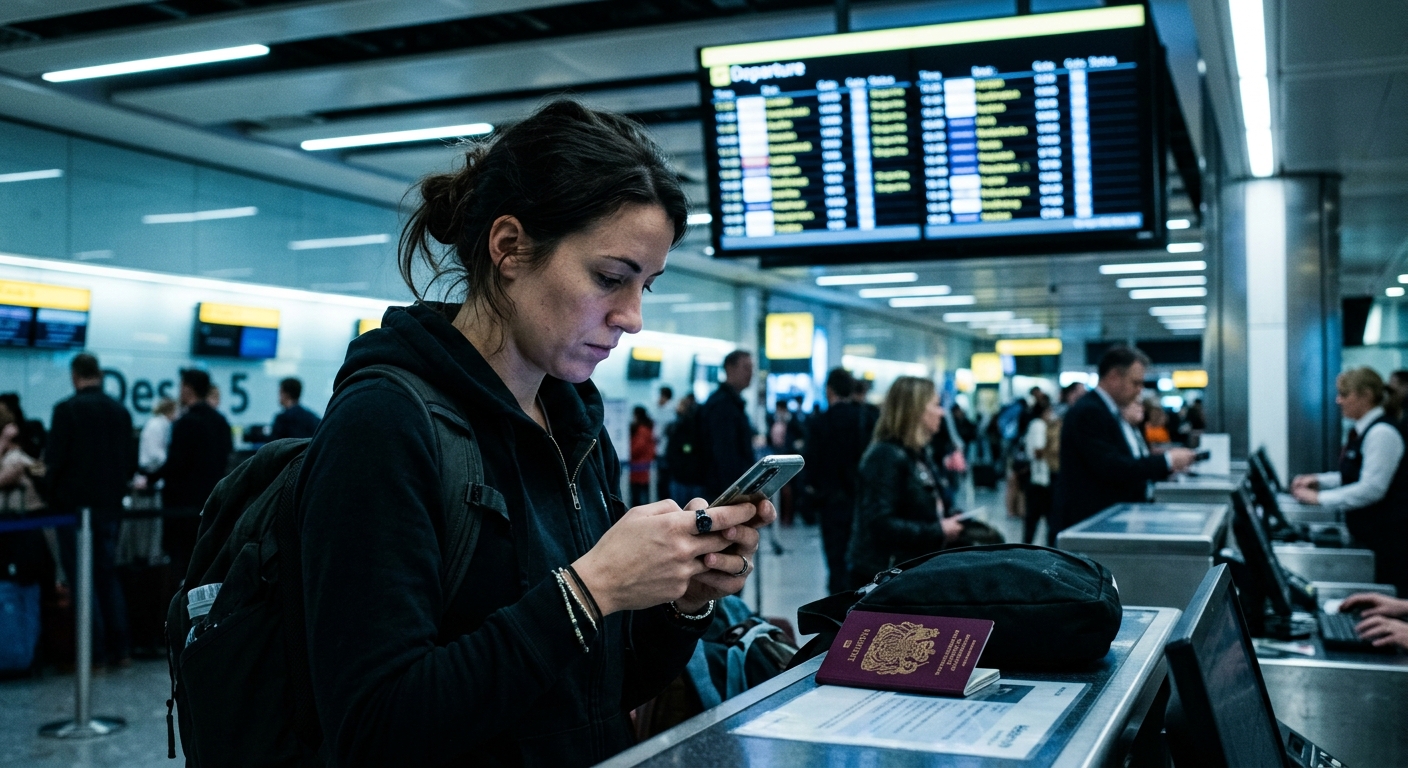
The fluorescent lights of Heathrow Terminal 3 are rarely a place of joy, but for one traveler last Tuesday, they were the stage for a frantic, high-stakes sprint against time. Standing at the check-in desk, he was told the words every international passenger dreads: “Your Vietnam e-visa hasn’t arrived, and you cannot board this flight without it.” His departure was scheduled for just under an hour away. The standard, government-official portal had been sitting on his application for five days, well beyond the expected window, leaving him stranded in the departure hall with a boarding pass that was currently useless.
Ask online, we answer right awayType your question on this page. No app to install, no number to save.Ask onlineIf your flight is within days, our urgent Vietnam visa service covers the 1-hour to 48-hour tiers.
This is where the reality of travel today clashes with the rigidity of digital bureaucracy. When you are standing at the airport, looking at a gate agent who is bound by strictly enforced carrier regulations, you don’t need general advice; you need an immediate bypass. The traveler opened his laptop, frantically searching for an emergency vietnam visa service that could guarantee a turnaround measured in minutes rather than days. He found a provider, bypassed the official queue, and initiated an urgent request.
The Clockwork of a 45-Minute Rescue
The process, while stressful, is surprisingly linear when handled by a specialized service. He pulled up his camera roll, selecting the high-resolution photo of his passport and the digital portrait he had taken against a white wall back at home. The upload took thirty seconds. The payment gateway, designed for exactly these moments of desperation, processed his card instantly. He hit ‘submit’ and stepped to the side, leaning against a pillar near the duty-free shop, eyes locked on his phone. This is the point where most travelers begin to panic, but for those who understand the Vietnam visa same day protocols, it is simply a waiting game.
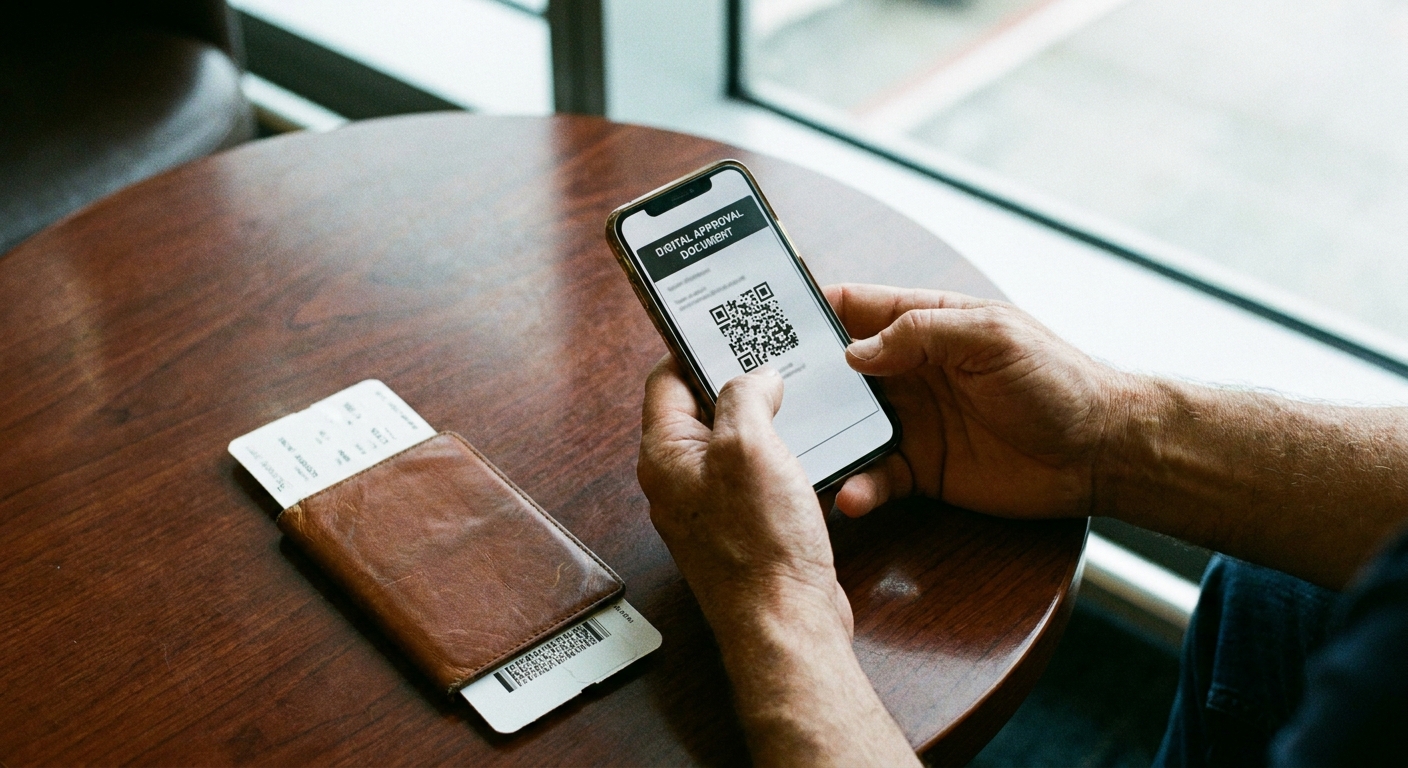
Exactly thirty-five minutes later, the notification pinged. The PDF attachment was there, stamped with the official seal. He walked back to the check-in desk, the agent scanned his passport, and he pulled up the digital document on his phone screen. Crucially, the airline agent didn’t need a printed copy or a complex packet of paperwork. She checked the applicant’s name against the visa document, verified the passport number, and confirmed that the dates of entry matched the flight schedule. That was it. The approval letter alone functioned as the golden ticket because it contained the necessary visa code, proving to the airline that the Vietnamese immigration system had cleared him for entry.
Many travelers find themselves in this predicament because they underestimate the lag between submission and approval. While some Vietnam visa 24 hours service tiers are marketed broadly, the difference between a generic agency and one that specializes in airport-level fixes is substantial. When the clock is ticking, you aren’t paying for the visa itself; you are paying for a human agent in the relevant time zone to prioritize your file, communicate with immigration officers, and force a status change in the system. The government portal is a black box, but an urgent provider acts as a key.
It is important to understand what the airline agent is looking for when they grill you at the desk. They are essentially acting as an extension of border control. Their primary concern is that they might be fined or forced to fly you back if you are denied entry upon arrival in Hanoi or Ho Chi Minh City. They look for:
- Full name consistency between the passport and the visa letter.
- The specific visa code provided by the immigration department.
- The exact dates of entry and exit validity.
- The intended port of entry to ensure it matches your flight itinerary.
Once those four points are verified, the urgent e-visa approval letter acts as an ironclad guarantee of your eligibility to board. There is no need for extra documentation if the letter is generated correctly, as the system is now entirely paperless. You do not need to show hotel bookings, return tickets, or financial proof unless you are specifically pulled for a secondary check, which is rare once you have the approved PDF in hand.
The traveler from Heathrow made his flight with barely ten minutes to spare, boarding the aircraft while the rest of the cabin was already seated. His experience highlights a modern reality: international travel is increasingly reliant on digital status updates that don’t always keep pace with airport logistics. When the systems fail, the ability to jump the queue becomes the only way to avoid a cancelled trip. It is a system built on high-pressure intervention, but for the person walking through the jet bridge, the mechanics behind the screen are irrelevant compared to the result. He walked to his seat, phone tucked away, his visa secured, leaving the stress of the departures floor behind him.