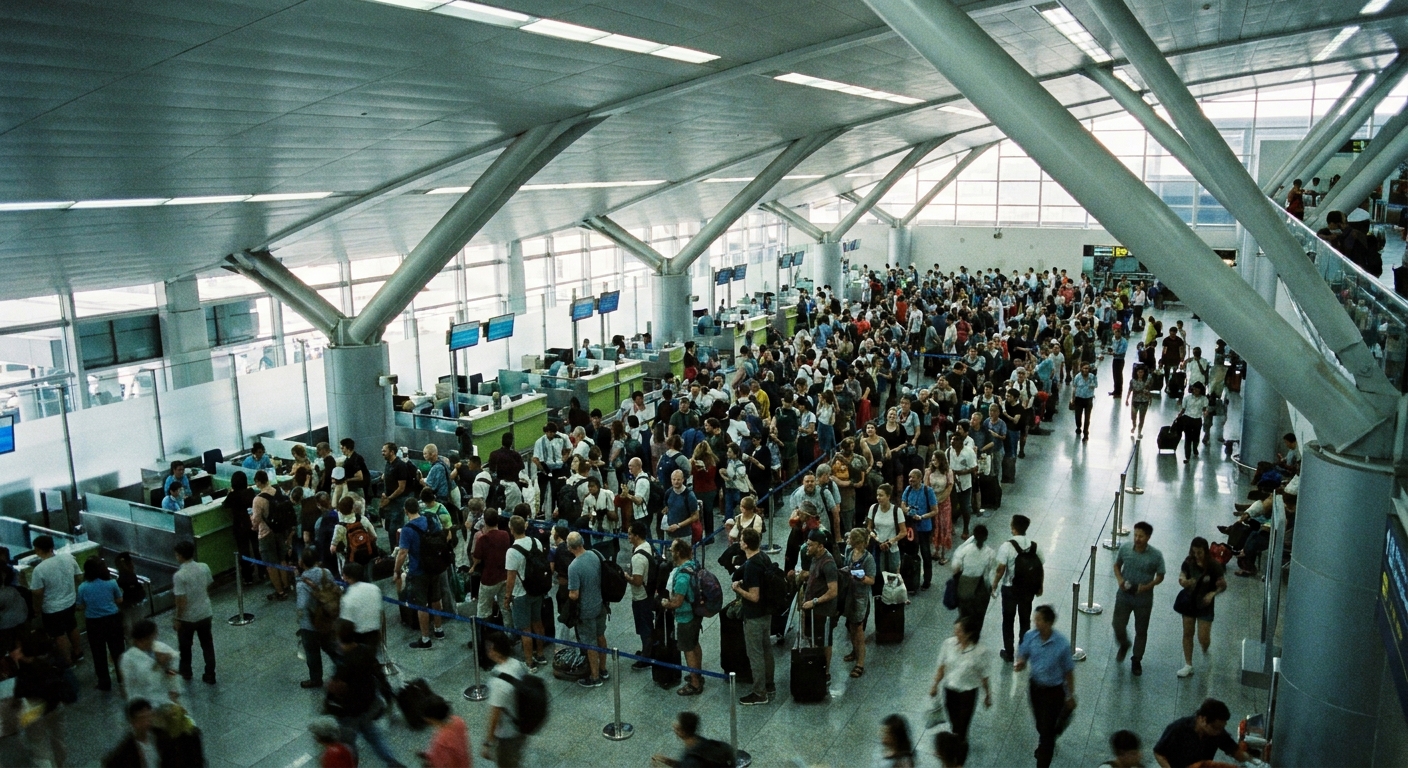
The Hanoi–Singapore–Ho Chi Minh City circuit is a rhythm I know better than my own home address. For the frequent business traveler, the routine is usually dictated by the arrival board at Noi Bai or Tan Son Nhat. For years, I treated the e-visa process like a premium insurance policy, blindly paying for the fastest processing tier regardless of my actual lead time. It was a reflex born from the early days of the digital system, when a minor technical glitch meant a three-day wait could easily stretch into a week of missed meetings and frantic emails to embassies.
Ask online, we answer right awayType your question on this page. No app to install, no number to save.Ask onlineHowever, the landscape shifted significantly through 2024 and 2025. The Vietnamese immigration authorities updated their backend infrastructure, and for the first time in nearly a decade, the standard processing channel became genuinely predictable. It is no longer the lottery it once was. If you submit a clean, error-free application on a Tuesday morning, it is highly probable you will have your entry document by Thursday afternoon. The erratic, week-long delays that used to force my hand toward a vietnam visa rush service have largely evaporated for the average applicant.
Still, the temptation to pay for the rush tier remains strong for those of us who have been burned before. If you are flying this route five or six times a year, the “rush tax” adds up to a tidy sum—often enough to cover an extra flight segment or a high-end hotel night. When I look back at my travel history from the last eighteen months, I realize that in roughly 70 percent of my trips, the standard processing time would have comfortably arrived with 48 hours to spare. Paying for the rush tier on those specific trips was essentially donating money to a service I didn’t need, purely out of a fear of the unknown.
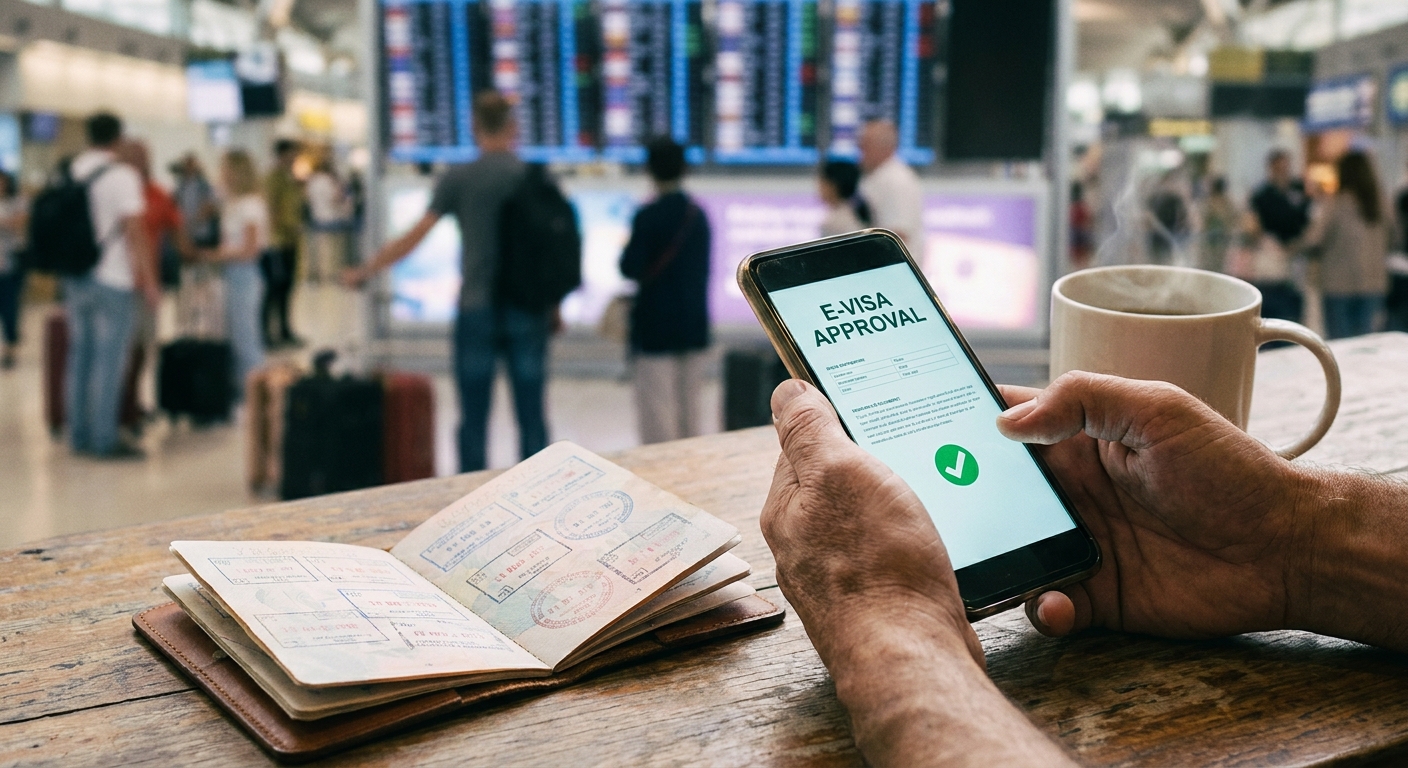
When the fast-track option actually pays for itself
There is a nuanced difference between buying convenience and buying survival. Even with the improved reliability of the standard system, there are two scenarios where the rush tier is not just a luxury but a calculated business expense. The first is the “collapsed timeline” event, where a client meeting is moved forward or an impromptu opportunity arises in Singapore that requires me to be in Ho Chi Minh City by the weekend. When your window for application is less than three full working days, the risk of a technical hiccup—however unlikely—is a risk to your bottom line. In these instances, utilizing an emergency Vietnam visa channel is an investment in certainty that outweighs the premium cost.
The second scenario is the Friday afternoon submission. Even with the improvements in the 2024-2025 system, the weekend remains a “dead zone” for bureaucratic processing. If I find myself needing to enter Vietnam by Monday night, a standard application submitted late on a Friday is effectively a gamble that immigration officers will work through the weekend, which is never a guarantee. If you are in this position, the rush fee acts as a priority marker that ensures your application is pulled to the top of the queue the moment staff return to the desk. Relying on the standard lane here is, frankly, irresponsible if you have a non-refundable flight booked.
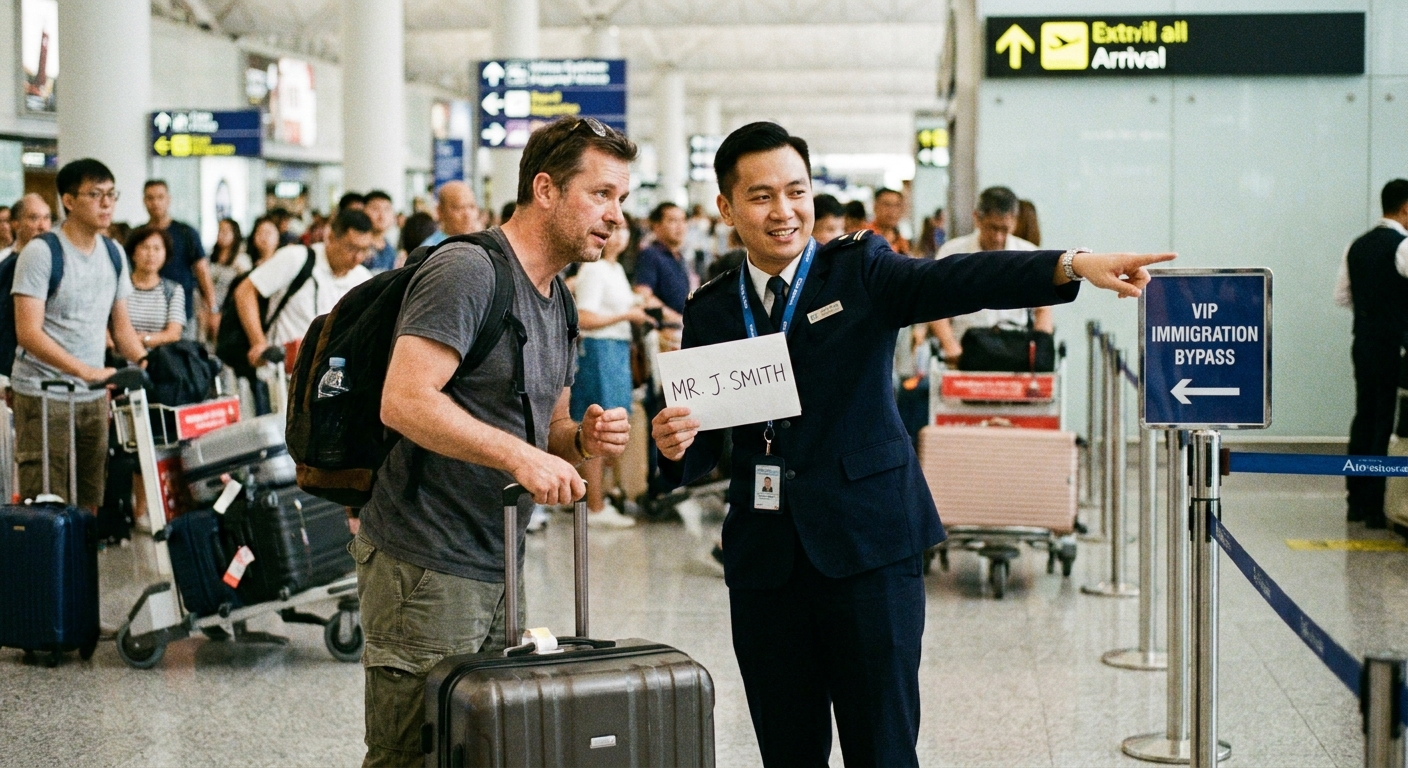
When deciding whether to pay the premium, I follow a simple mental rubric:
- If my flight is more than 72 working hours away, standard processing is almost always sufficient.
- If I have a history of minor errors or specific passport nuances, I pay for the rush to get an extra set of eyes on the file.
- If the trip involves a tight connection or a missed flight scenario, as explored in our guide on missed connections and urgent visa support, the rush tier is non-negotiable.
The real shift in my approach hasn’t been about abandoning the fast tier entirely, but about being disciplined enough to apply early. By pushing my planning phase back by just two days, I have saved hundreds of dollars annually without sacrificing the ability to enter the country when needed. The system is more robust than it was, but it still favors the prepared. If you are a high-frequency traveler, the best strategy is to keep the rush vietnam visa as a tactical tool for when plans inevitably go sideways, rather than using it as a default for every single trip. The money you save by choosing standard when you have the time is best kept in reserve for those moments when you truly need to bypass the standard queue.